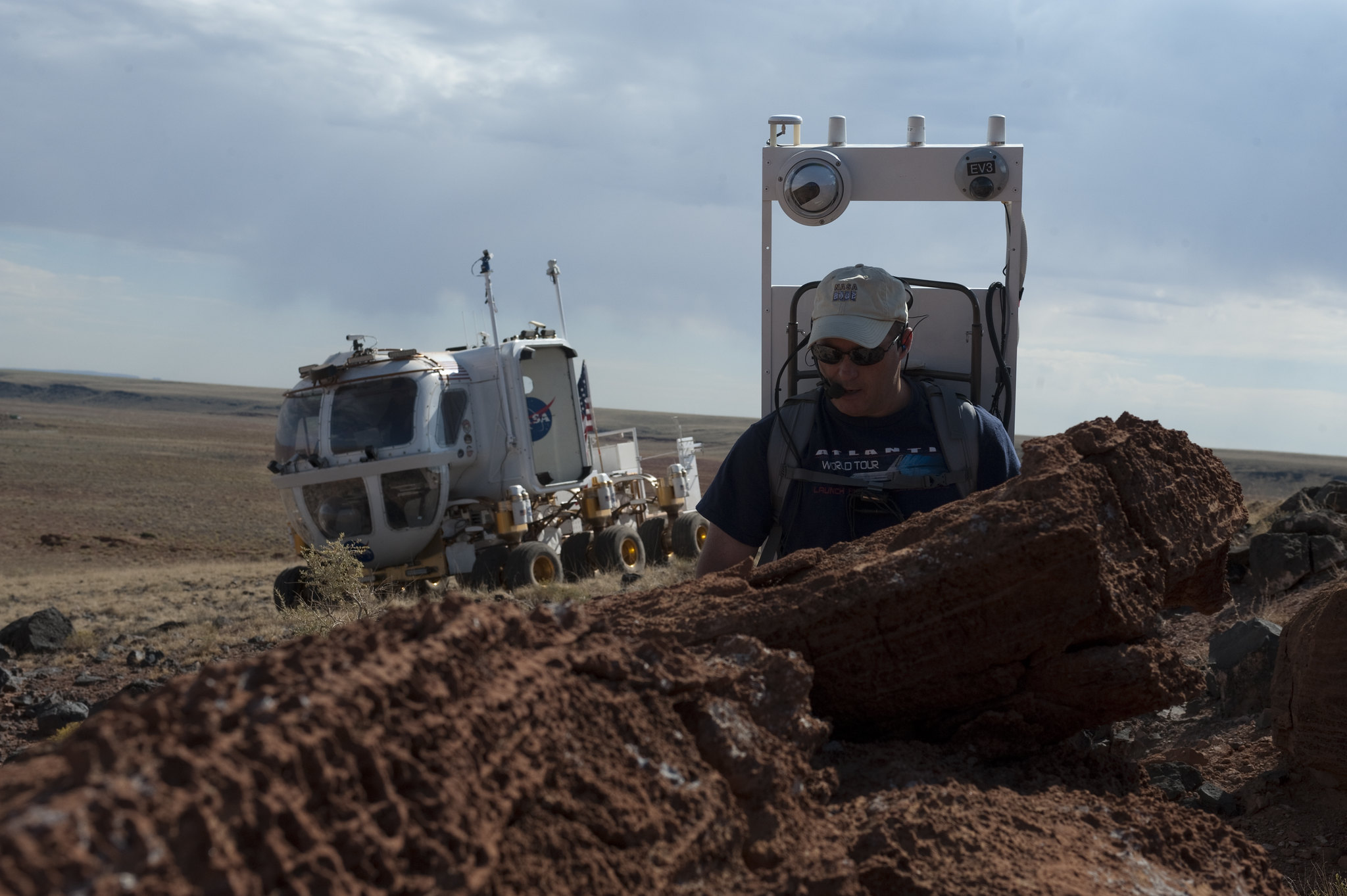
NASA Practicing For Moon Landing In Arizona Desert
As NASA get prepared for their next upcoming moon mission, Artemis, they are using the desert in Arizona to practice their landings, moonwalks, and driving their new moon rovers.


As NASA get prepared for their next upcoming moon mission, Artemis, they are using the desert in Arizona to practice their landings, moonwalks, and driving their new moon rovers.
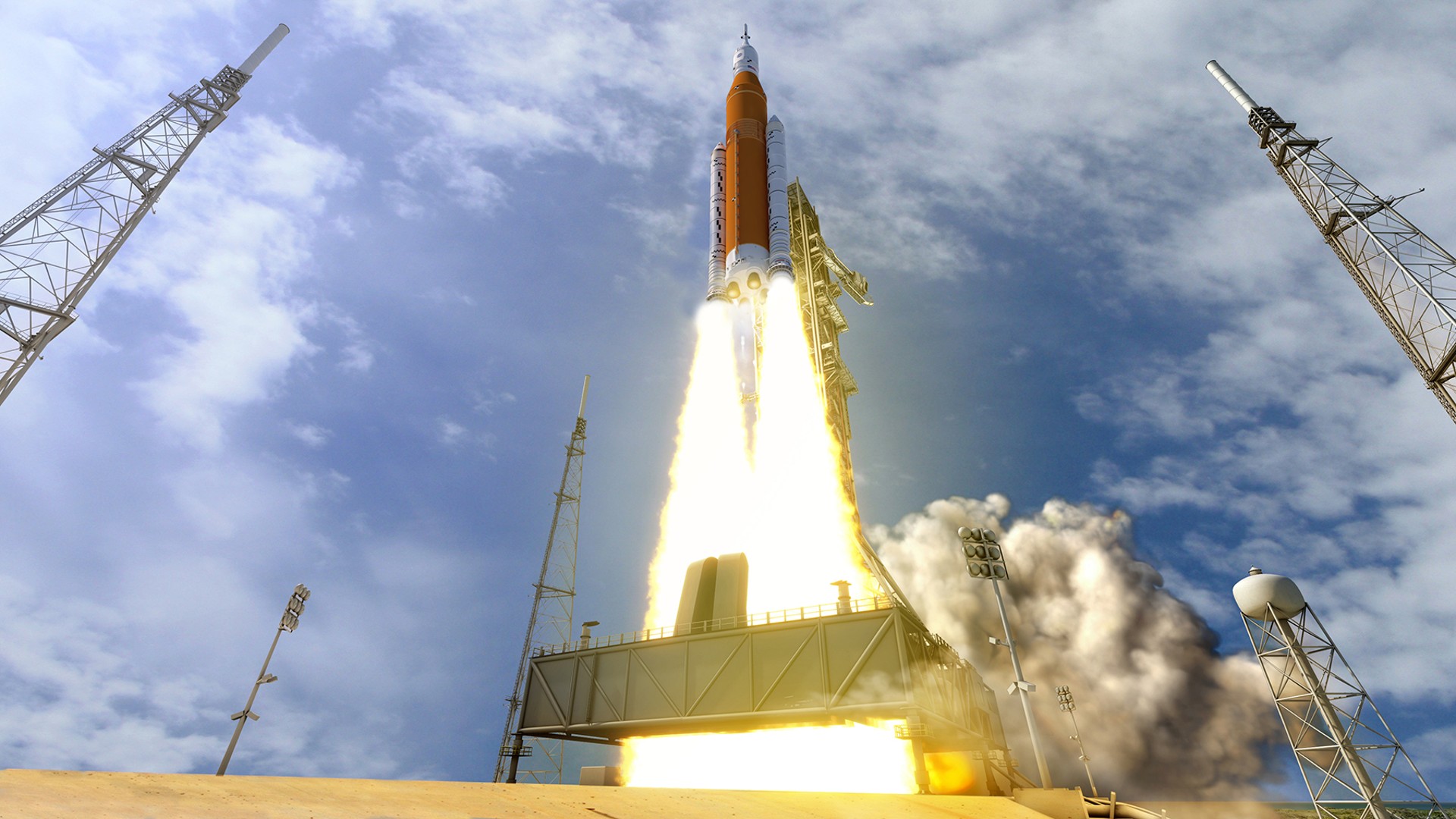
On Monday, August 29, 2022, NASA is all set to launch the uncrewed Artemis 1 mission going back to the moon after 50 years since the Apollo mission.
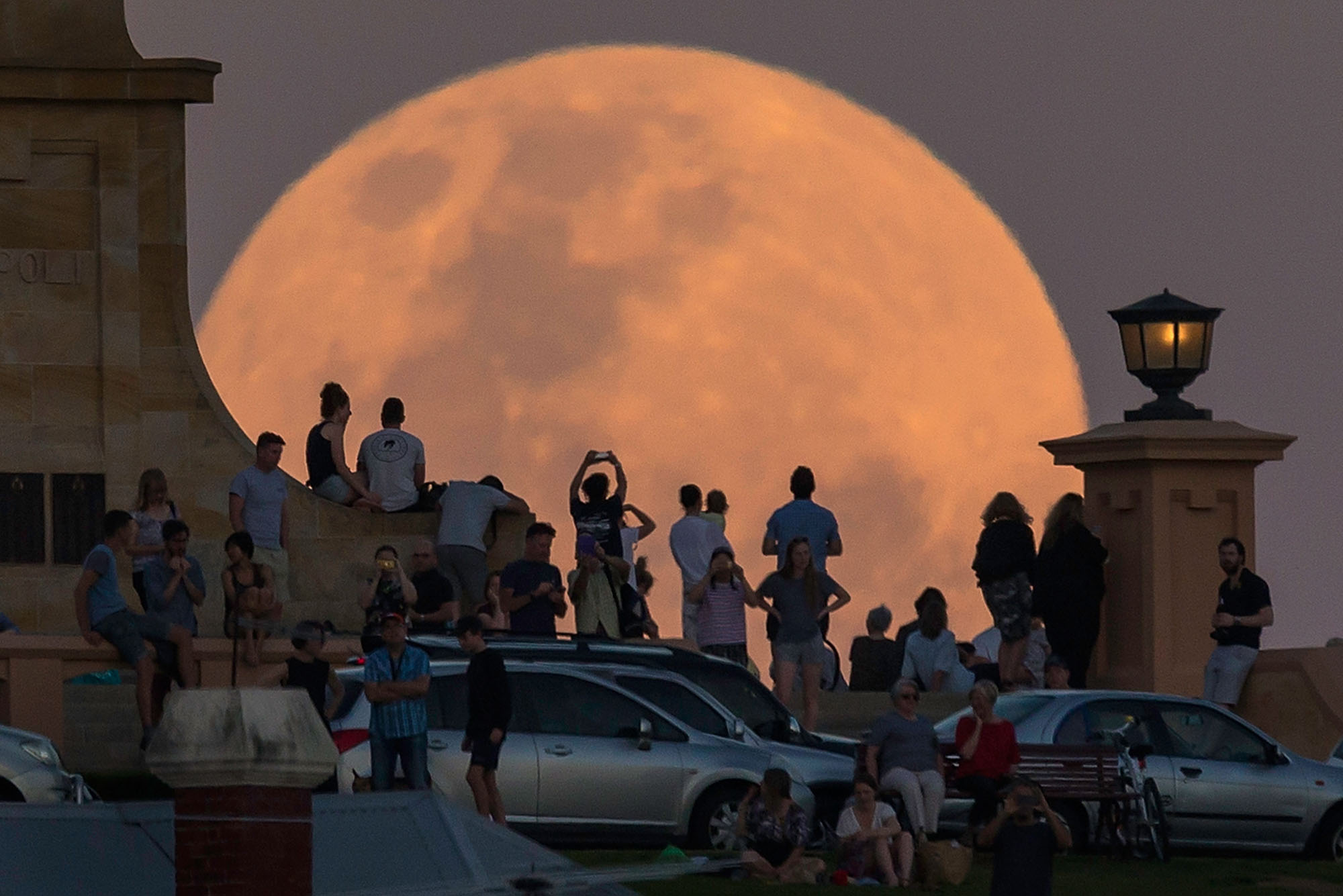
This Thursday, August 11, 2022, will see the final supermoon of the year. August’s full moon, also known as the “Sturgeon Moon,” peaks on Thursday at 9:36 p.m. EDT (0:136 a.m. GMT on Friday), however, it will also be bright and full on Wednesday and Friday nights (August 10 and Aug. 12).
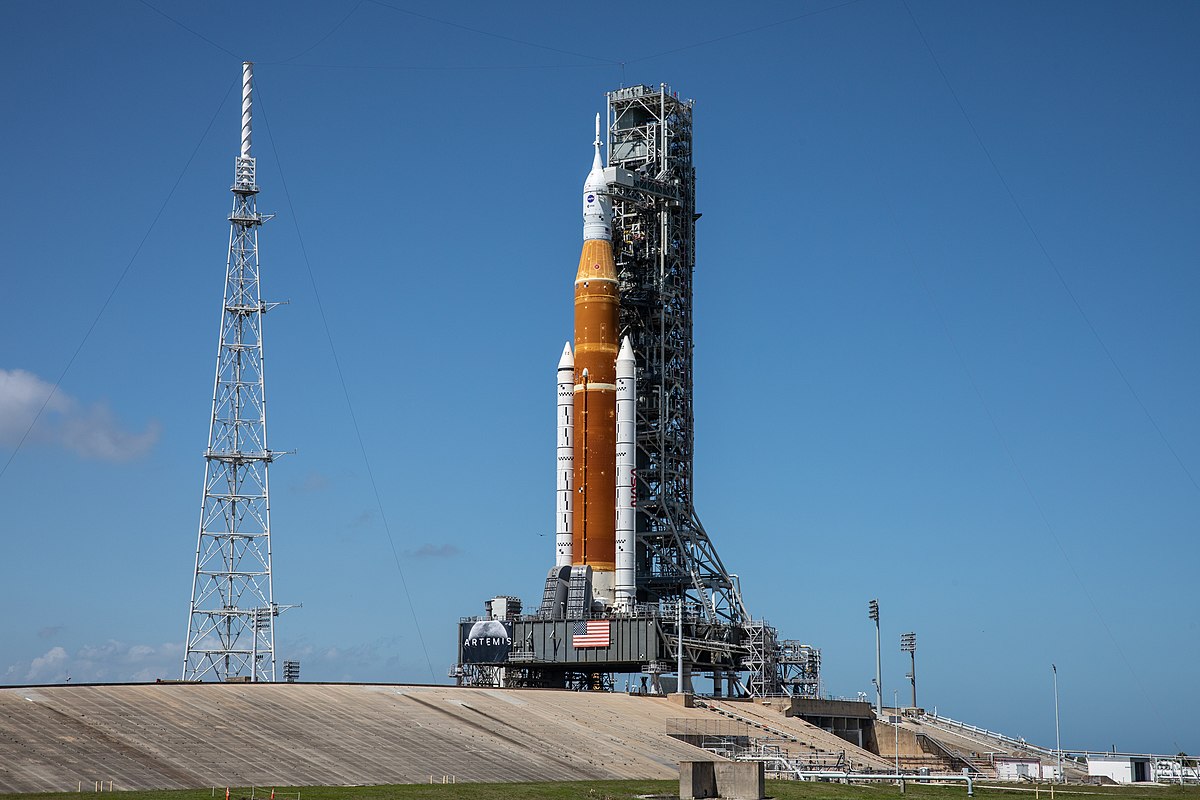
On August 29, 2022, NASA will launch Artemis 1, the first space mission back to the Moon since Apollo in 1972.
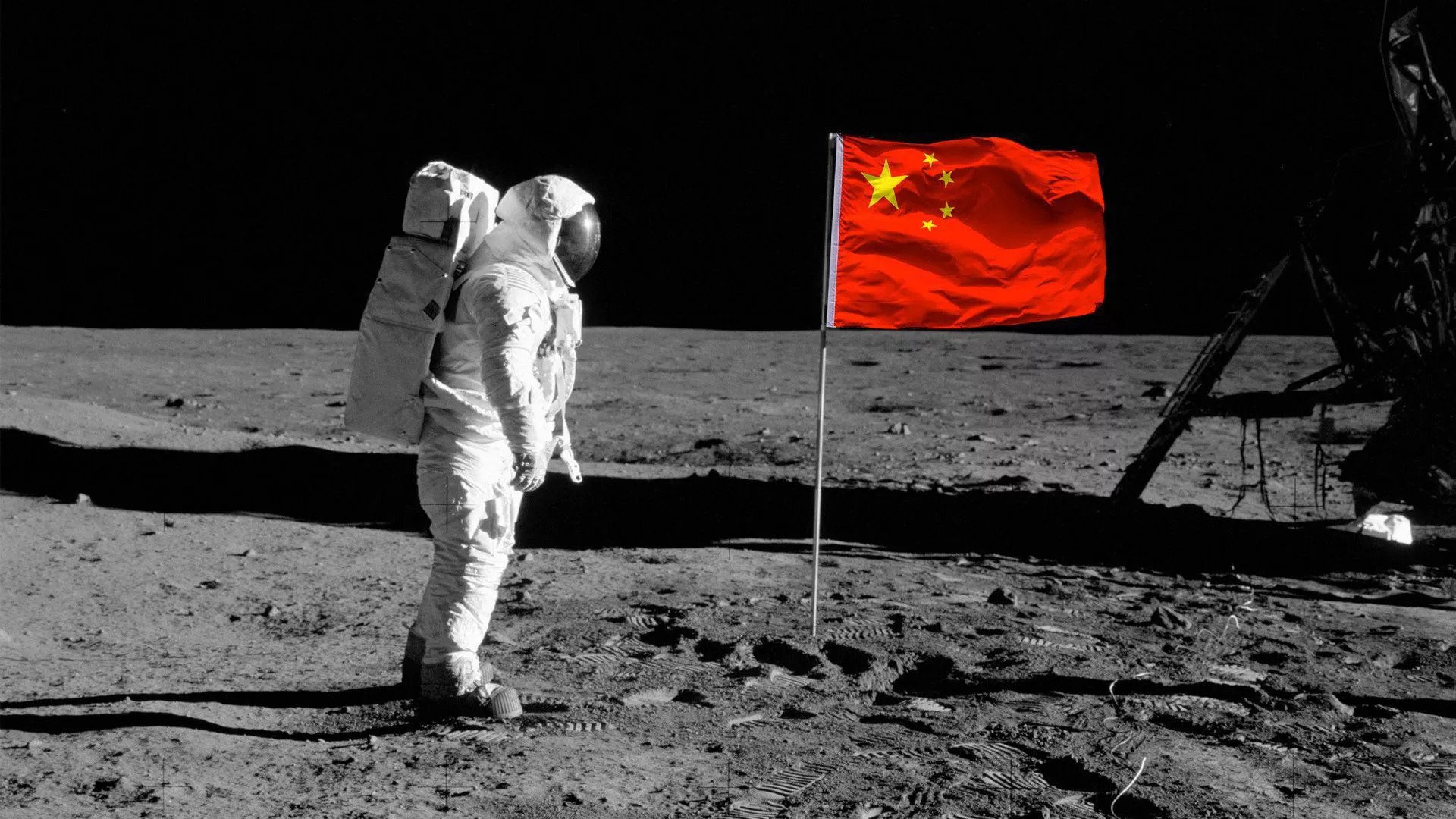
China might be contemplating a “takeover” of the Moon as part of its military space program and Chinese astronauts are busy learning how to destroy other nations’ satellites, NASA chief Bill Nelson claimed. In 2035, he said that Beijing could have its Moon station completed and be able to begin experimentation a year later.
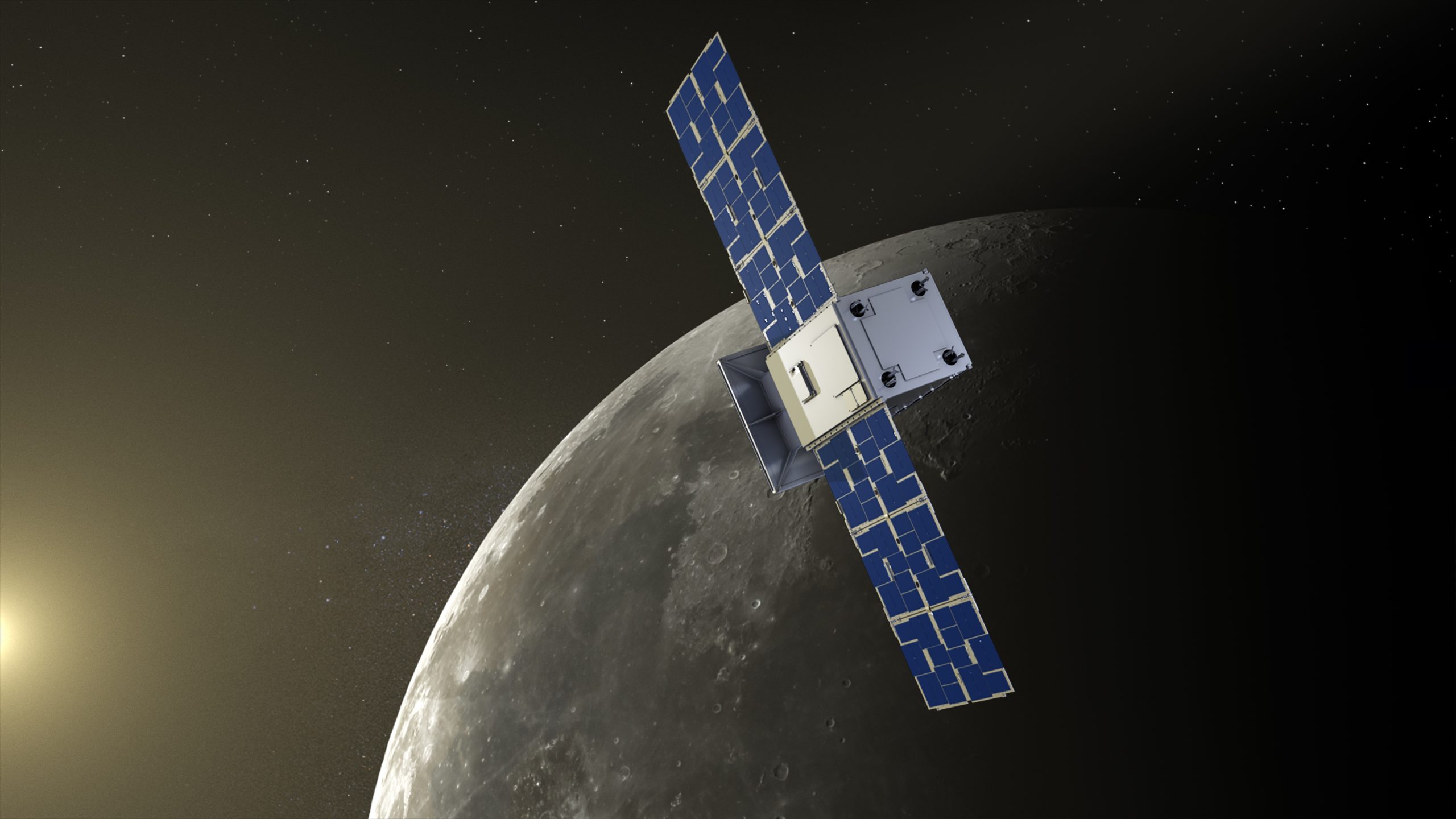
NASA’s CAPSTONE mission, which will chart a new orbit around the moon that will hopefully be used for a future crewed lunar space station, is underway after a successful launch on Tuesday morning. Rocket Lab’s Electron launch vehicle delivered the CAPSTONE satellite, which is roughly the size of a large microwave oven, to Earth orbit for step one of its lunar journey.
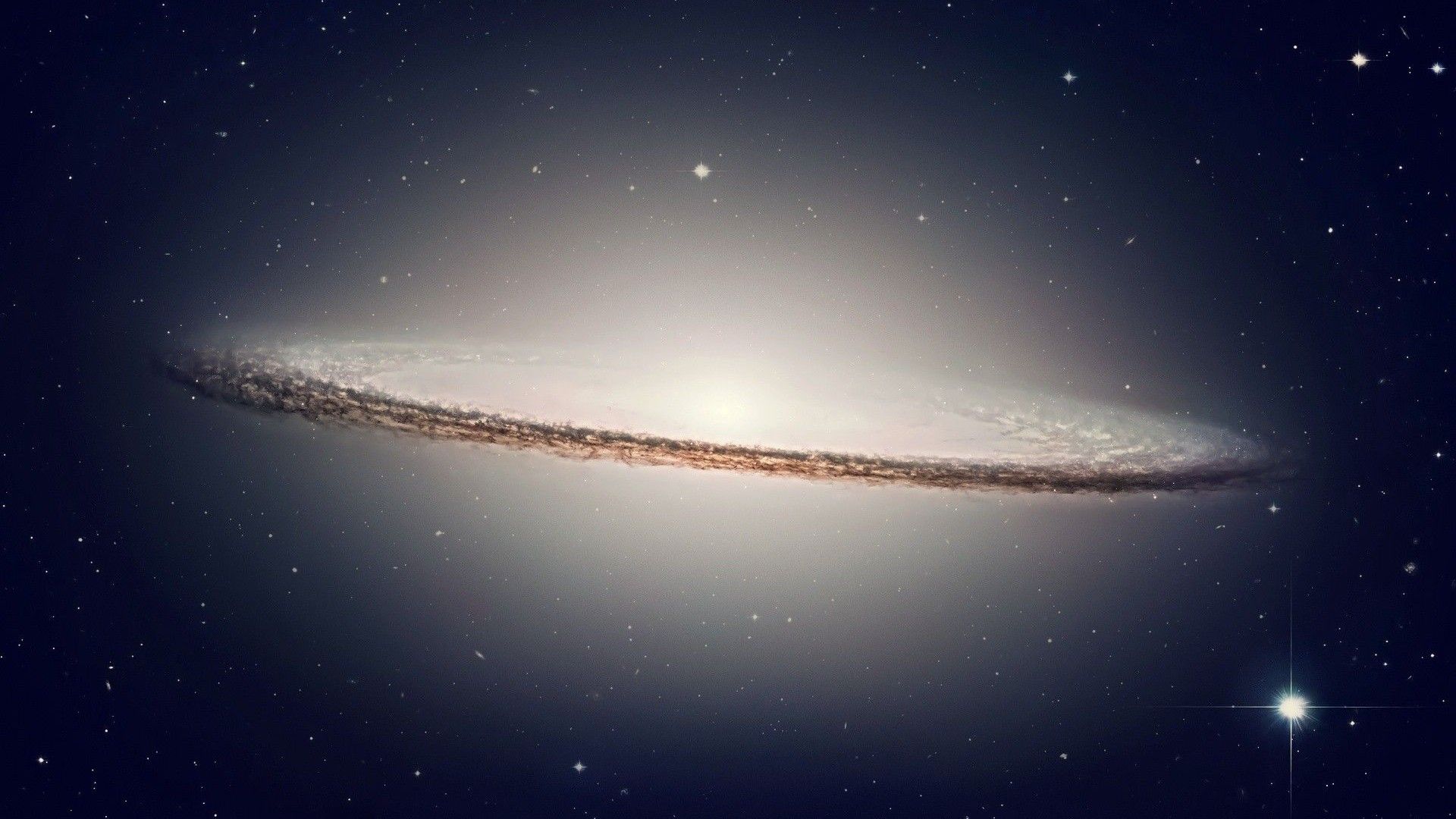
Very soon, humanity will get to view the deepest images of the universe that have ever been captured. In two weeks, the $10 billion James Webb Space Telescope (JWST) — NASA’s super expensive, super-powerful deep-space optical imager — will release its first full-color images, and agency officials today suggested that they could just be the beginning.
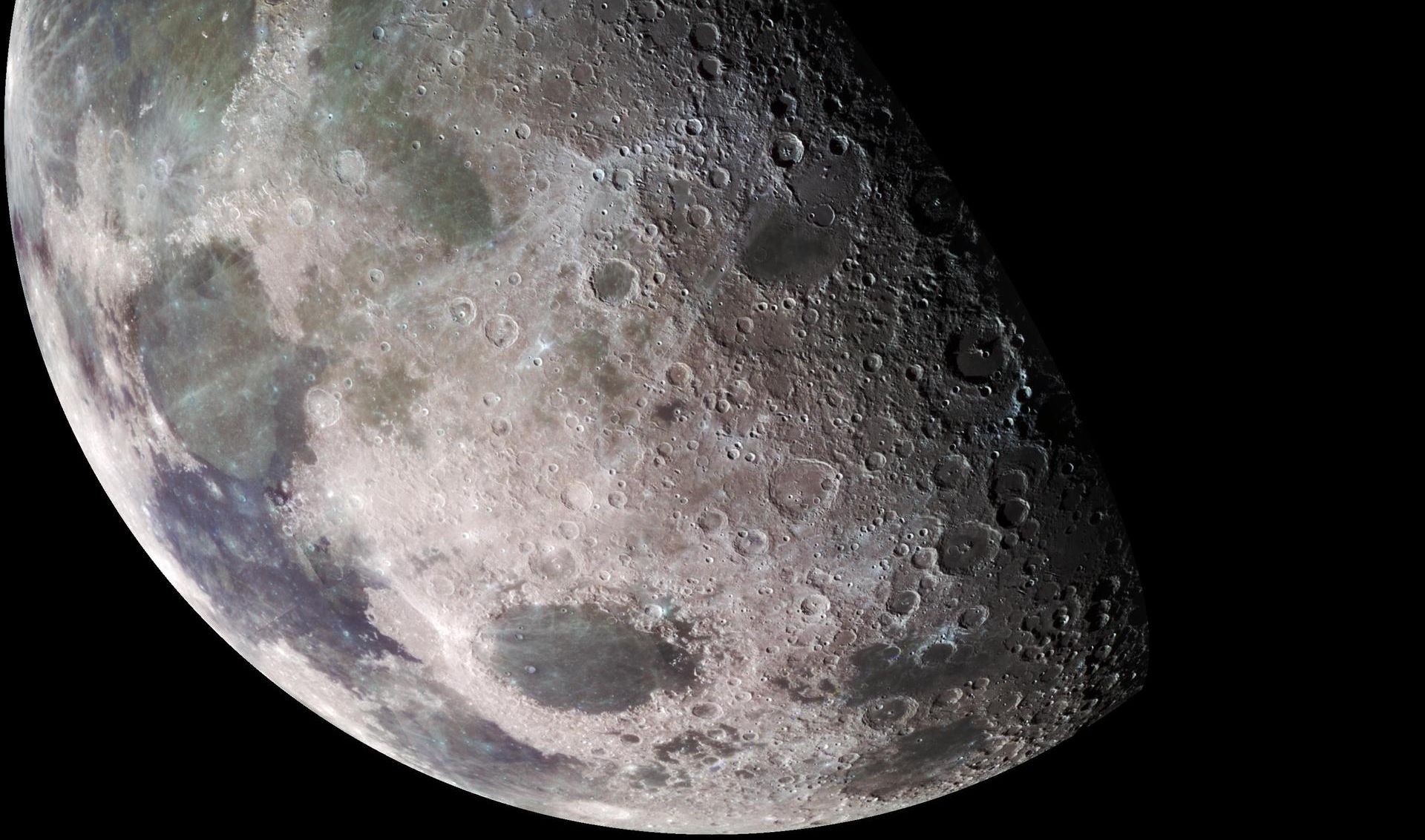
You know you’re living in the space age when a rocket hits the moon, and the industry as a whole points to the sky and, like an angry teacher holding up a paper airplane, asks “Who launched this?!” Truly, that is what occurred this week as an unidentified rocket stage (!) impacted the lunar surface, forming a new and interesting crater and leaving us all wondering how it’s possible to not know what happened.
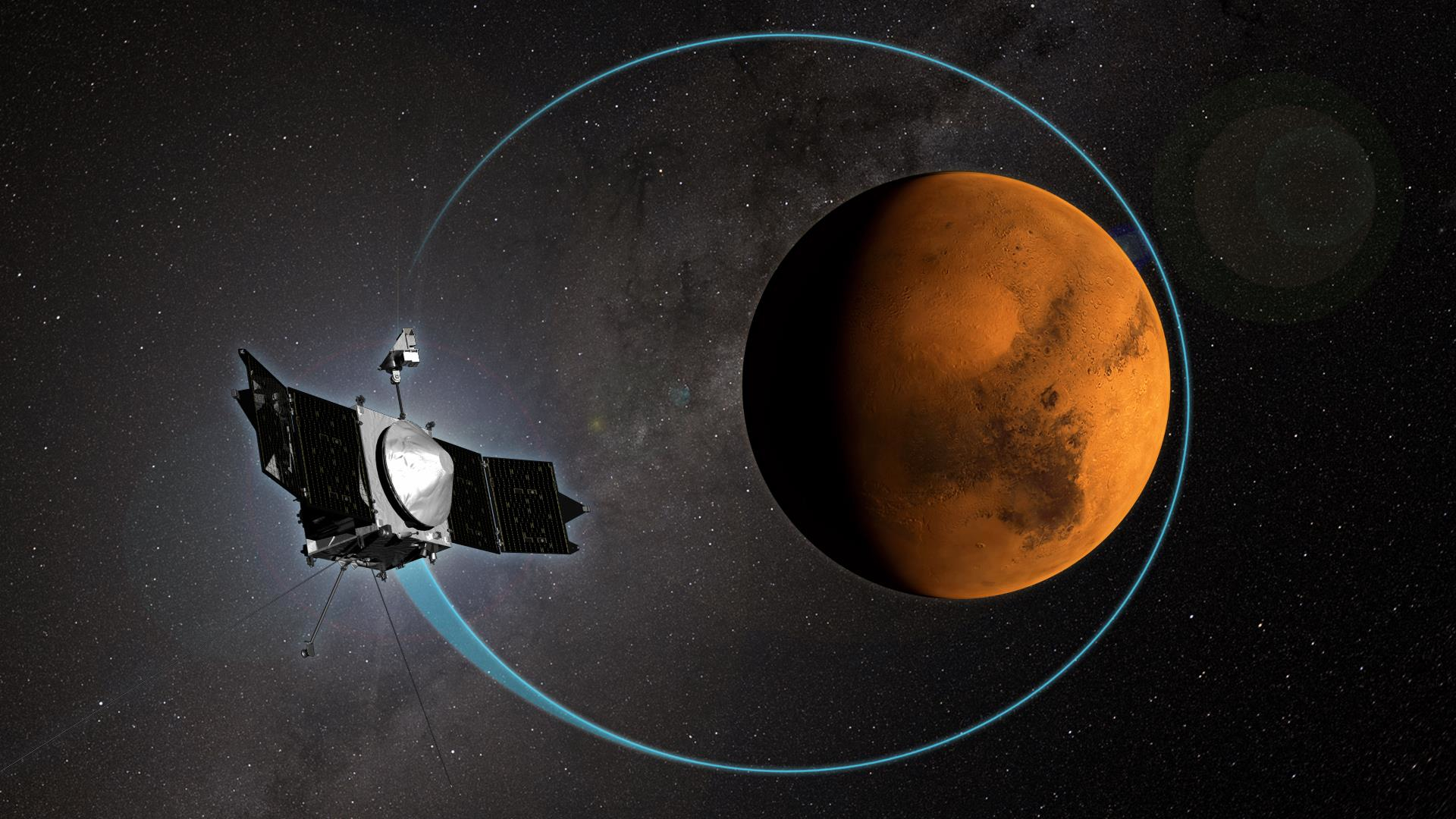
China’s Mars sample return mission aims to collect samples from the Red Planet and deliver them to Earth in 2031, or two years ahead of a NASA and ESA joint mission.
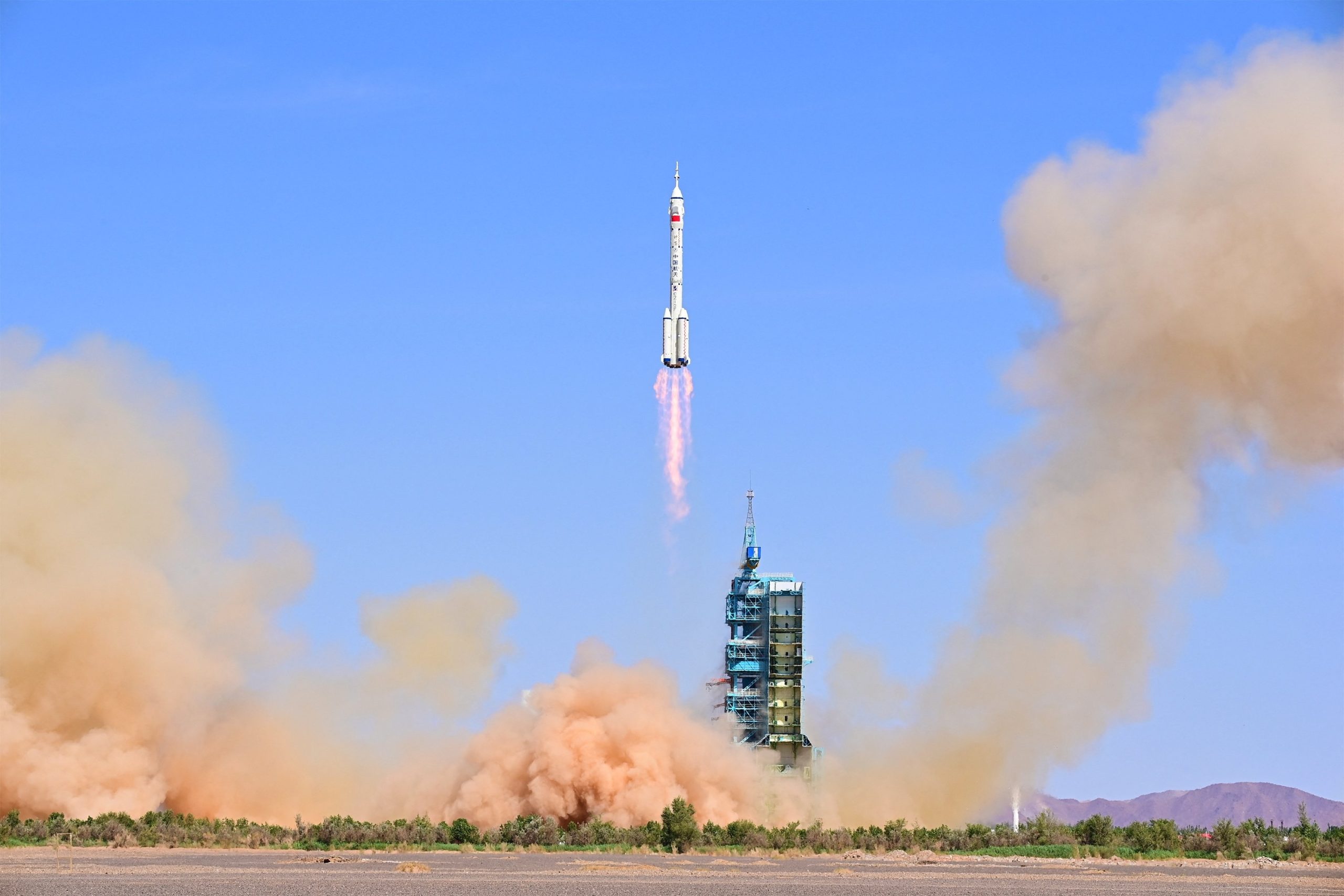
China on Sunday launched three astronauts into space as a part of its mission to complete assembly work on its permanent orbiting space station. The ‘Shenzhou 14’ crew blasted off from the Jiuquan Satellite Launch Center on the edge of the Gobi Desert at 10:44 a.m. (02:44 p.m. CST). The three astronauts will spend the next six months on China’s Tiangong space station, which translates to “heavenly palace.”
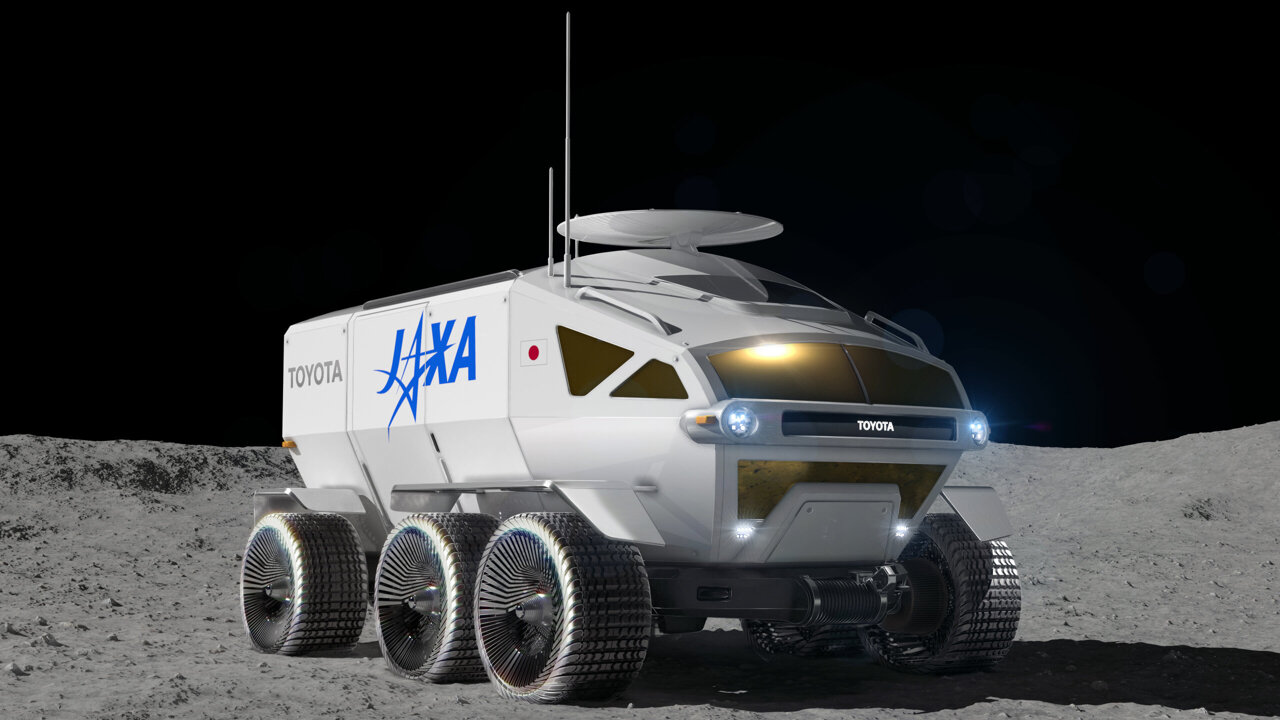
President Joe Biden and Japanese Prime Minister Fumio Kishida met in Tokyo on Monday to discuss progress on collaborative lunar missions for humans and robots.
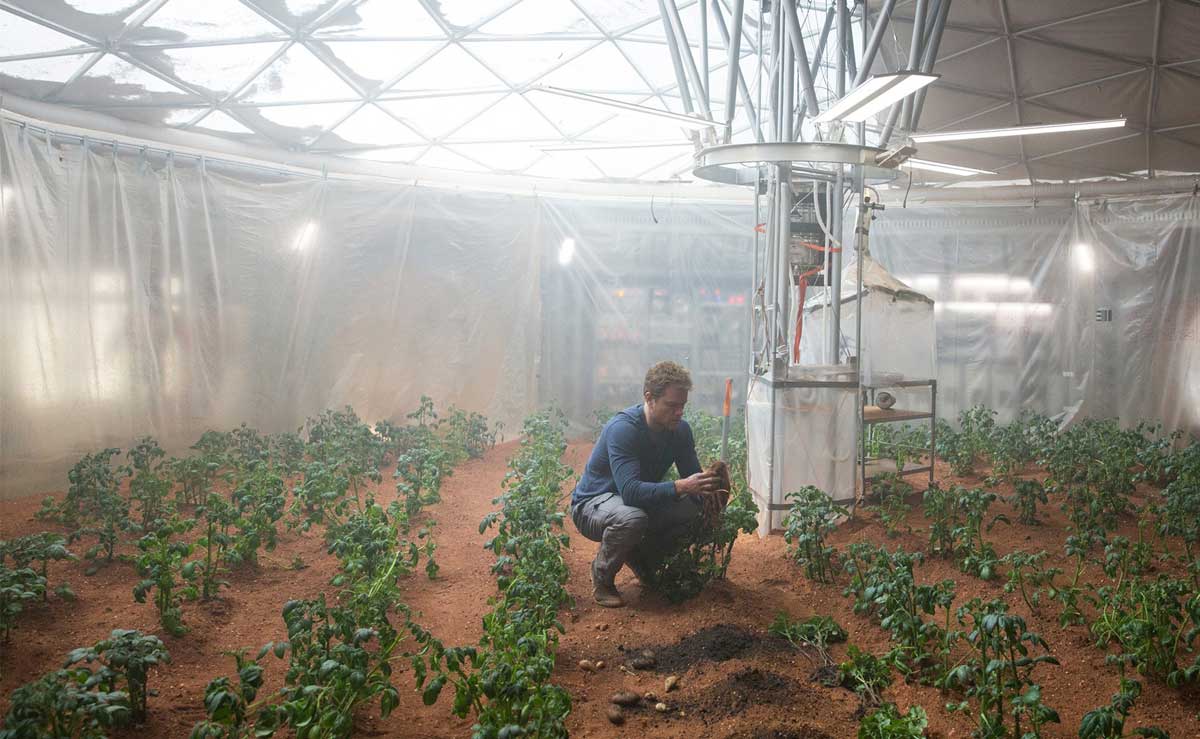
For many years, the biggest challenge to traveling deeper into space and our Solar System has been the ability to grow plants outside of the Earth’s surface. Scientists used moon soil brought back from the early Apollo missions to grow plants successfully for the first time ever.