
NASA

Indian Space Rocket Junk Falls On Australian Beach

A mysterious object that washed up to the shores of Australian beach was debris from the Indian space rocket. The bulk cylinder, about the size of a small car, was first spotted on the beach 2 weeks ago on a beach at Green Head, the capital of Western Australia. The Indian space agency spokesman said it’s for the Australian government to decide what to do with the object.

Scientists Believe Alien Spaceship May Have Crashed On Mars

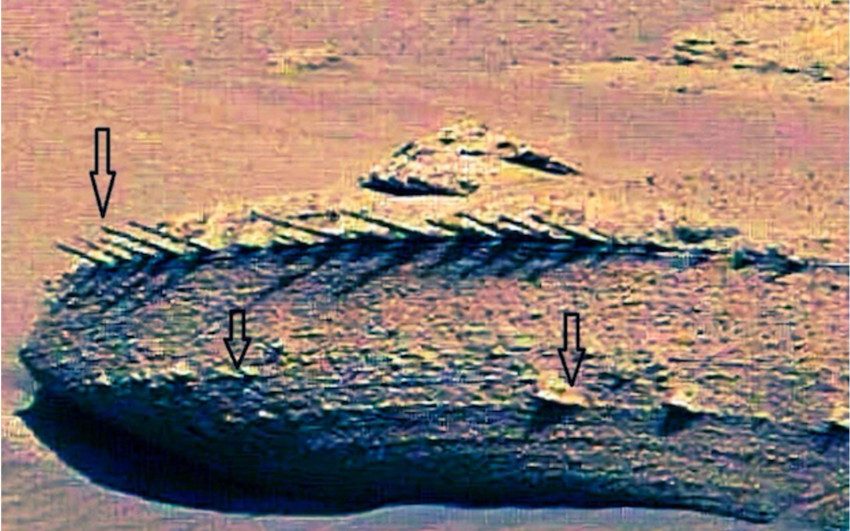
Scientists said they can’t rule out the fact that an alien spaceship could have caused the mysterious spiky protrusions found on Mars. Images captured by NASA’s Curiosity Rover showed formations sticking out from the surface of the rocks in the Gale Crater, with at least six rocks displaying unusual features.

NASA Failed To Detect A Dangerous Asteroid For Days

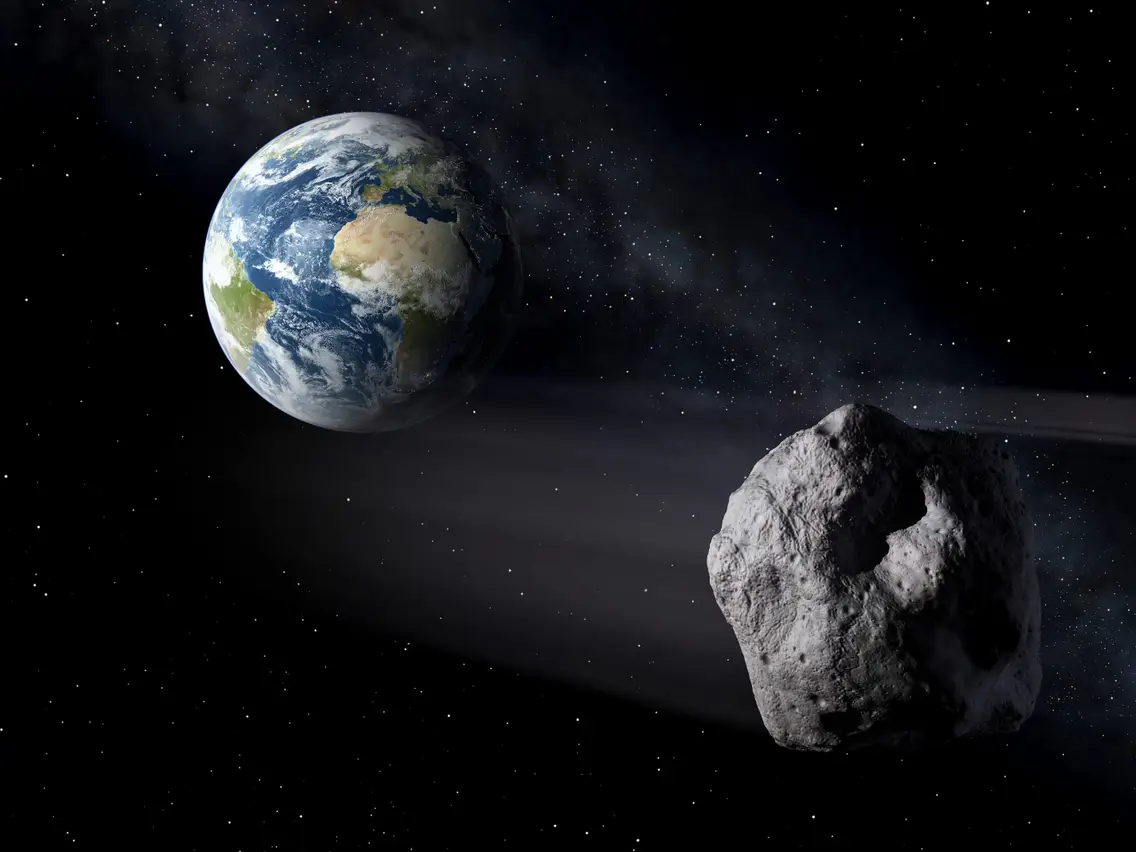
NASA failed to detect an asteroid that was bigger than a 20-story building, just two ago. NASA’s monitoring systems couldn’t grab the trajectory of the asteroid called the 2023 NT1. The space agency came to know about the asteroid on 15 July, two days after it had already sailed past earth.

India Successfully Launches Space Rocket To Moon

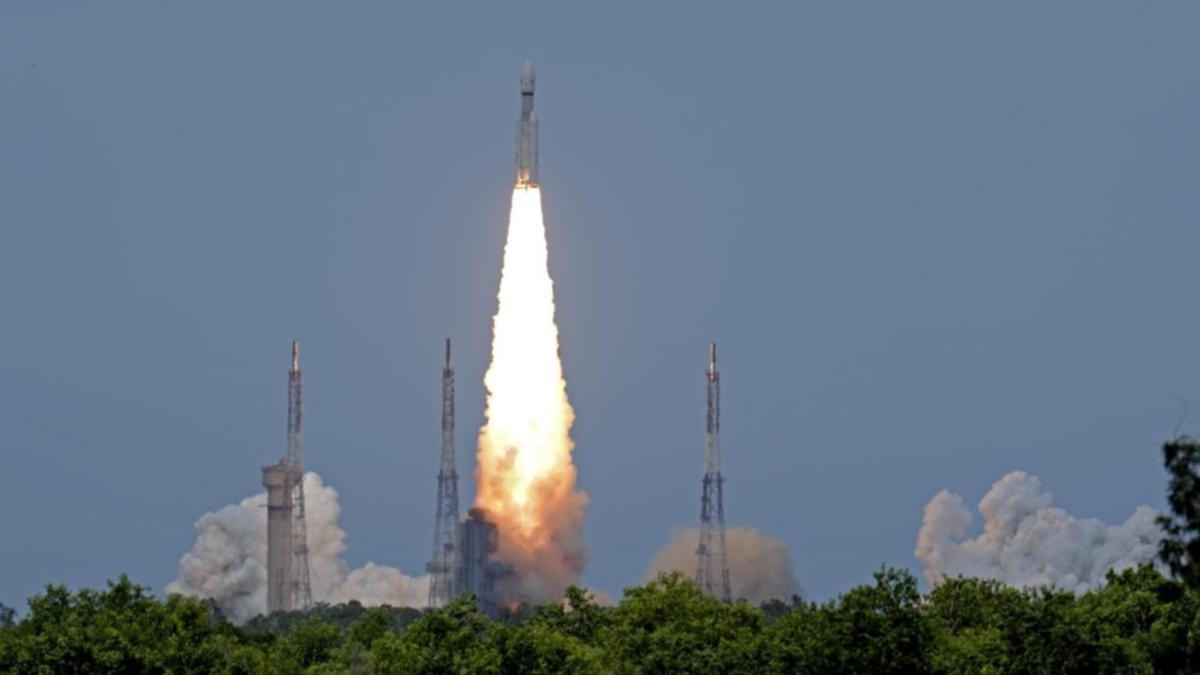
The Indian space agency has successfully launched the Launch Vehicle Mark III rocket to land a spacecraft on the moon. The rocket successfully went off carrying a lander and rover to land near the south pole of the moon. Indian PM Narender Modi tweeted the rocket was carrying hopes and dreams of the Indian nation.

Scientists Discover The Brightest Mirror-Like Exoplanet

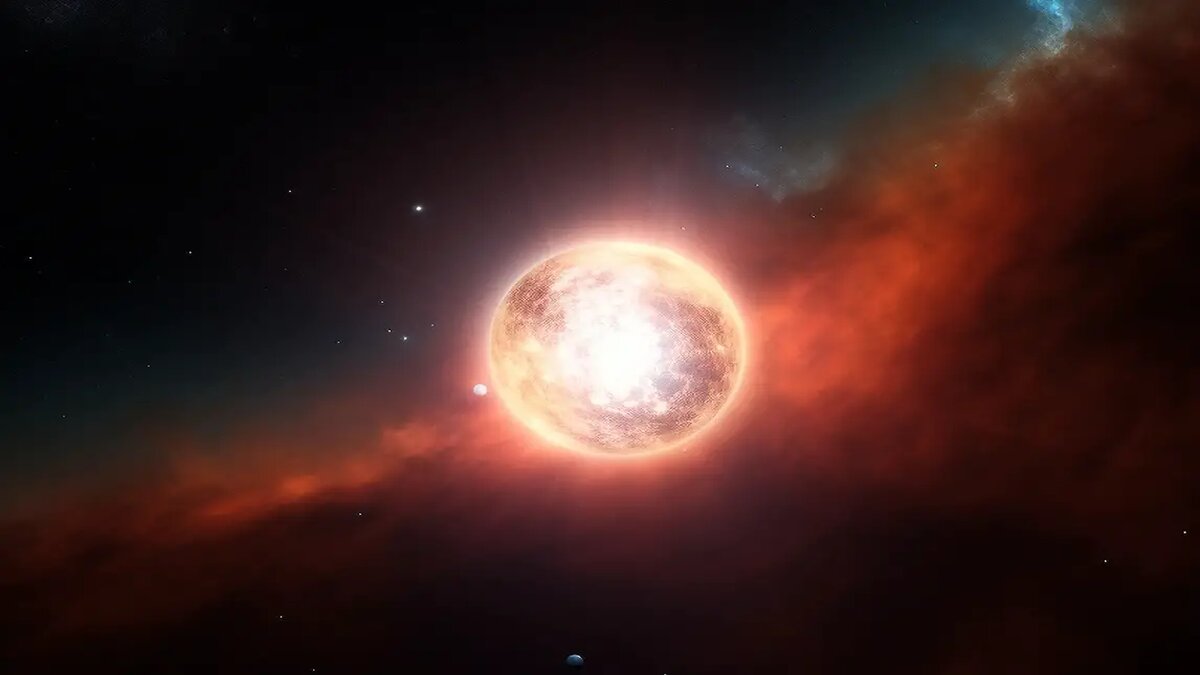
Scientists were able to discover the brightest exoplanet, covered by reflective clouds of metal. The ultra-hot exoplanet, which completes a full orbit around its host star in a mere 19 hours, holds the record for being the brightest exoplanet found to date. The blazing planet, known as planet LTT9779b, possesses bright clouds consisting of reflective silicates and metallic elements such as titanium.

NASA’s Lost Helicopter On Mars Calls Back After Two Months

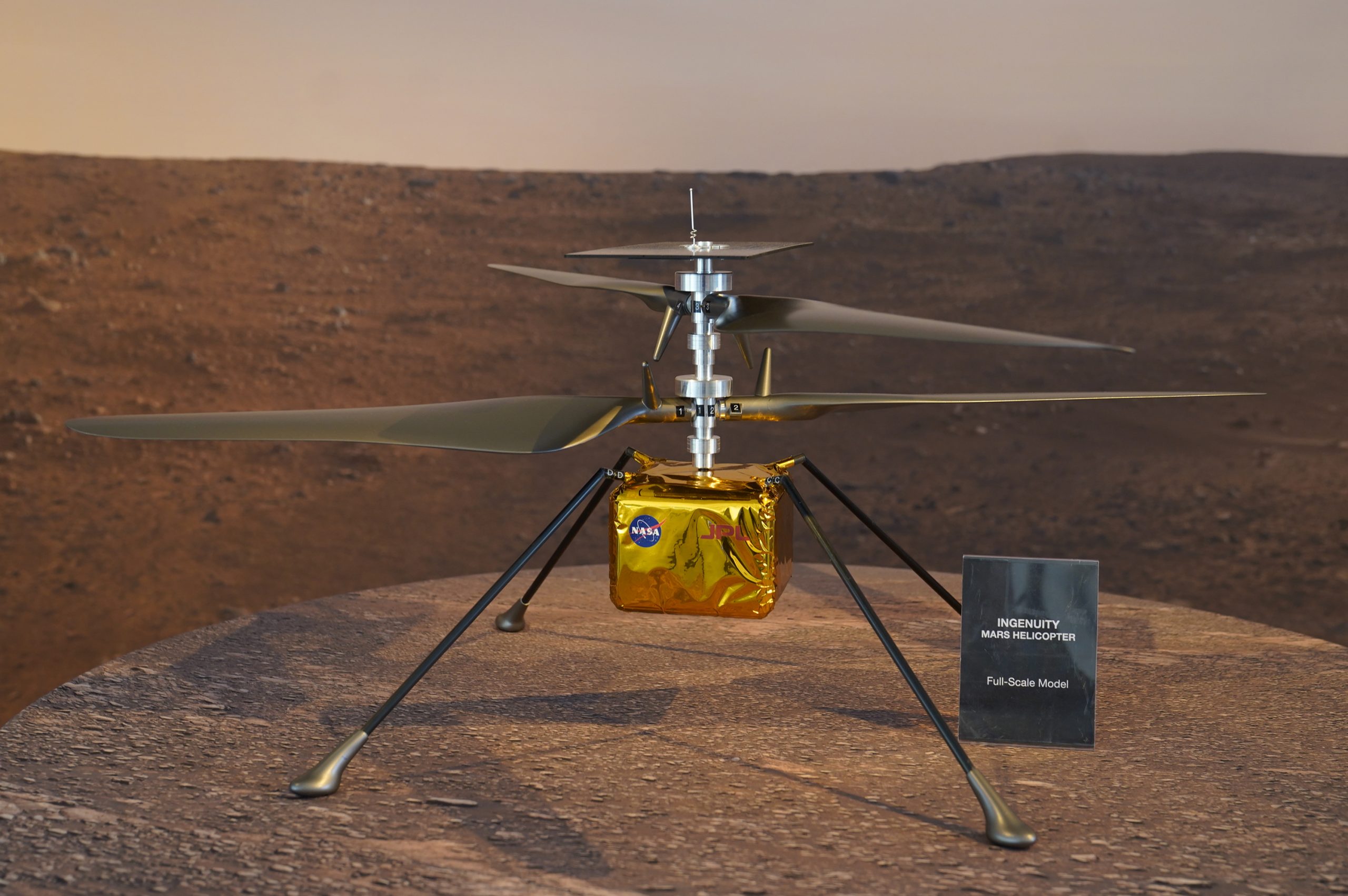
NASA was able to re-establish contact with a lost helicopter on Mars after two long months of silence. NASA’s small robotic helicopter Ingenuity, also known as Ginny, got lost on April 26 when it began its 52nd flight on the Red Planet. The agency has regained access to the helicopter and said the chopper is healthy.

Huge Spot 7 Times Bigger Than Size of Earth Appears On Sun

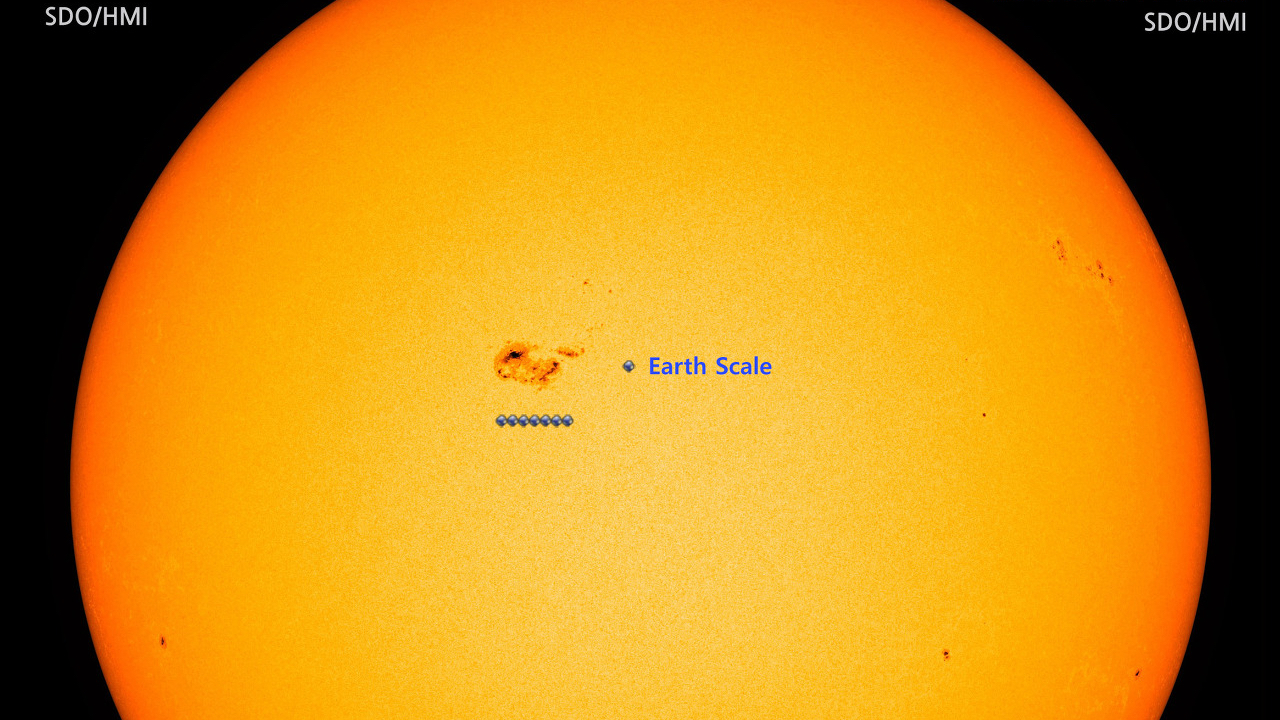
A huge sunspot seven times bigger than the earth is currently visible to the naked eye. The sunspot named AR3354 first appeared on 26 July and is expected to vanish on 2 July, Sunday. The sunspot wasn’t that massive when it first appeared, but has got bigger in the last few days, SpaceWeather.com reported.

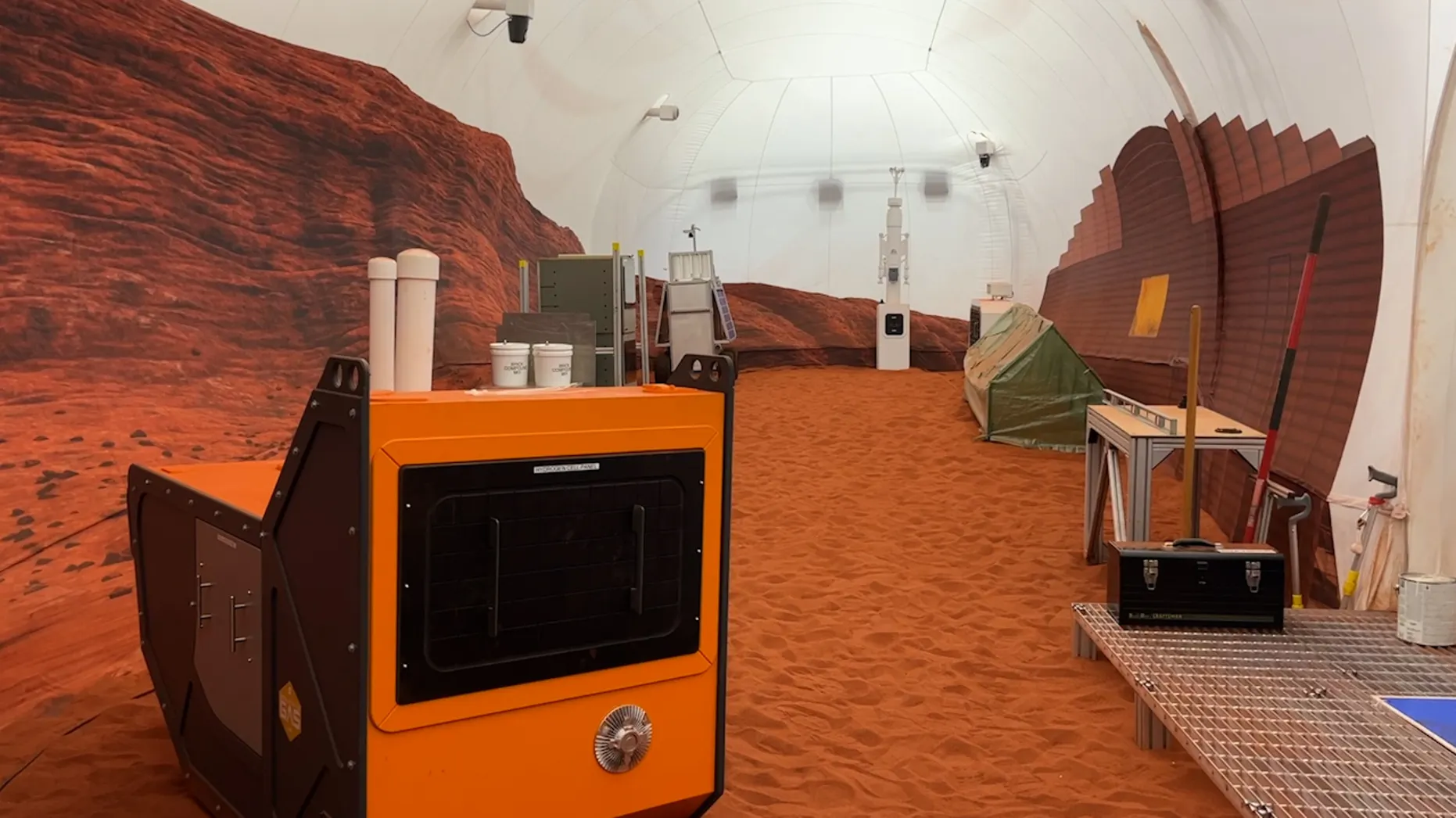
NASA Locks 4 Scientists Inside Mars Simulator For 378 Days

NASA has locked up four volunteer scientists inside a 3-D Mars stimulator for the next 378 days. The Mars stimulator is based at the Johnson Space Center in Texas, where the agency trains its own members to experience real-life situations on Mars.

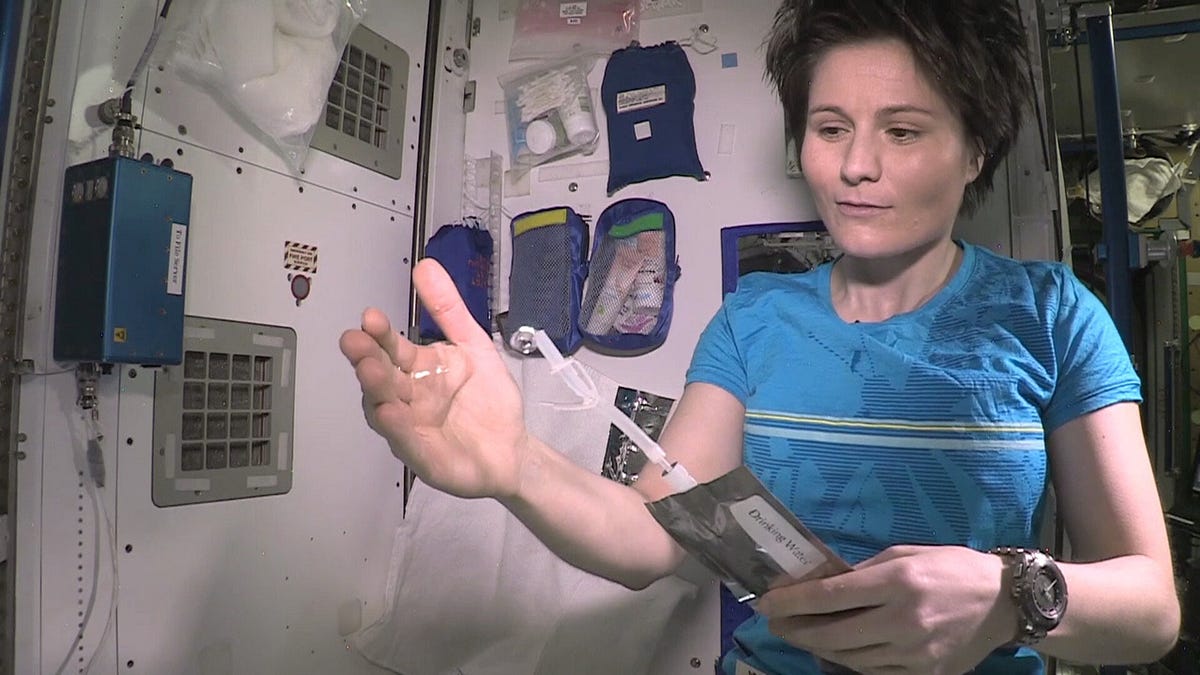
NASA Recycled 98% Of Astronauts Pee And Sweat in Orbit

NASA revealed that it has recycled around 98% of astronaut’s pee and sweat on the International Space Station. The astronauts aboard the space station recycled the human excreta in order to make the resupply of the vital resource easier and cheaper.

NASA Shares Mesmerizing Photo Of Flower Grown In Space

NASA has shared a fascinating photo of a flower grown in the International Space Station that instantly went viral on social media. The image was shared by NASA on Instagram which said that the agency started growing the colorful zinnia flower back in 2015 and so far, the experiment has been a success.

Scientists Looking For Ways To Fry Potatoes In Space

Frying potatoes has been a practice for thousands of years on the planet earth where humans only had to worry about the ingredients. But as it turns out, it is not the case when it comes to frying something far away in outer space where gravity doesn’t work as it does on earth. The European Space Agency is doing research to fry potatoes in space and so far, the agency has been successful.

Astronomers Discover A Fake Moon Orbiting The Earth

Astronomers have detected a fake moon that has been orbiting our planet for thousands of years. The fake moon is actually an asteroid called 2023 FW13 and it enters earth’s orbit during its journey around the sun. The sun is believed to have far greater influence over the 2023 FW13 asteroid as compared to the earth.