
White House Adds James Webb Image To Its Advent Calendar
An image of the James Webb Space Telescope has been added to the Advent Calendar in the White House.


An image of the James Webb Space Telescope has been added to the Advent Calendar in the White House.
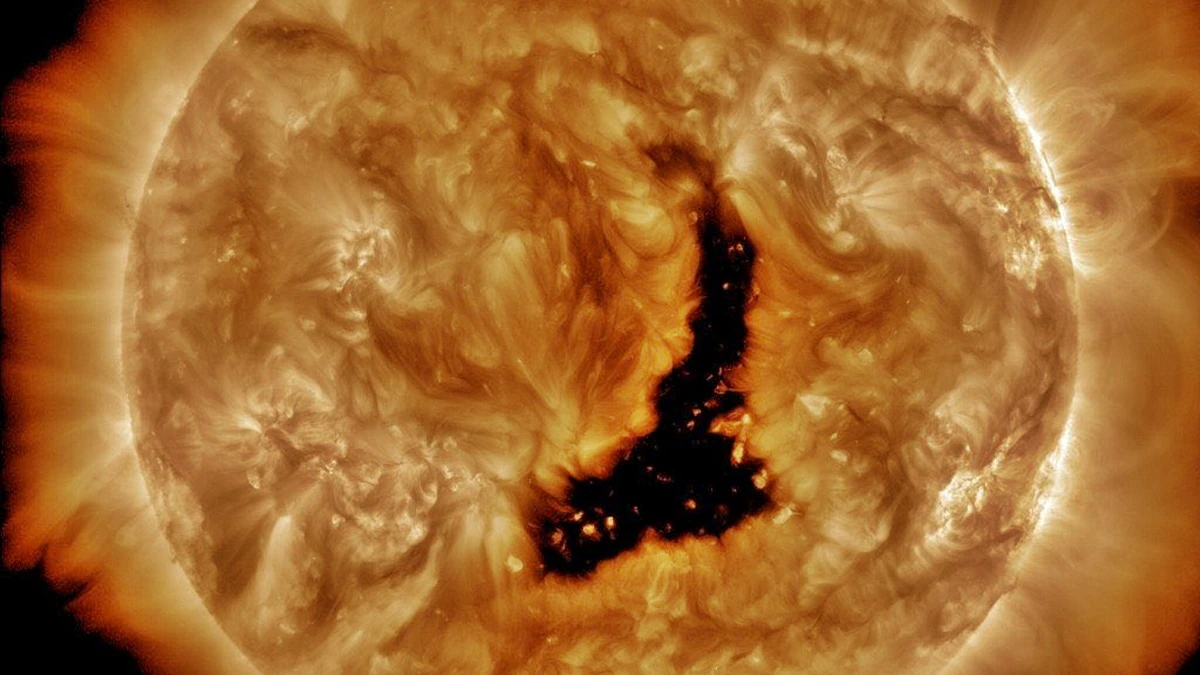
NASA said a massive hole has appeared on the Earth’s surface. The hole is five times bigger than the diameter of Jupiter, the biggest planet in the solar system.
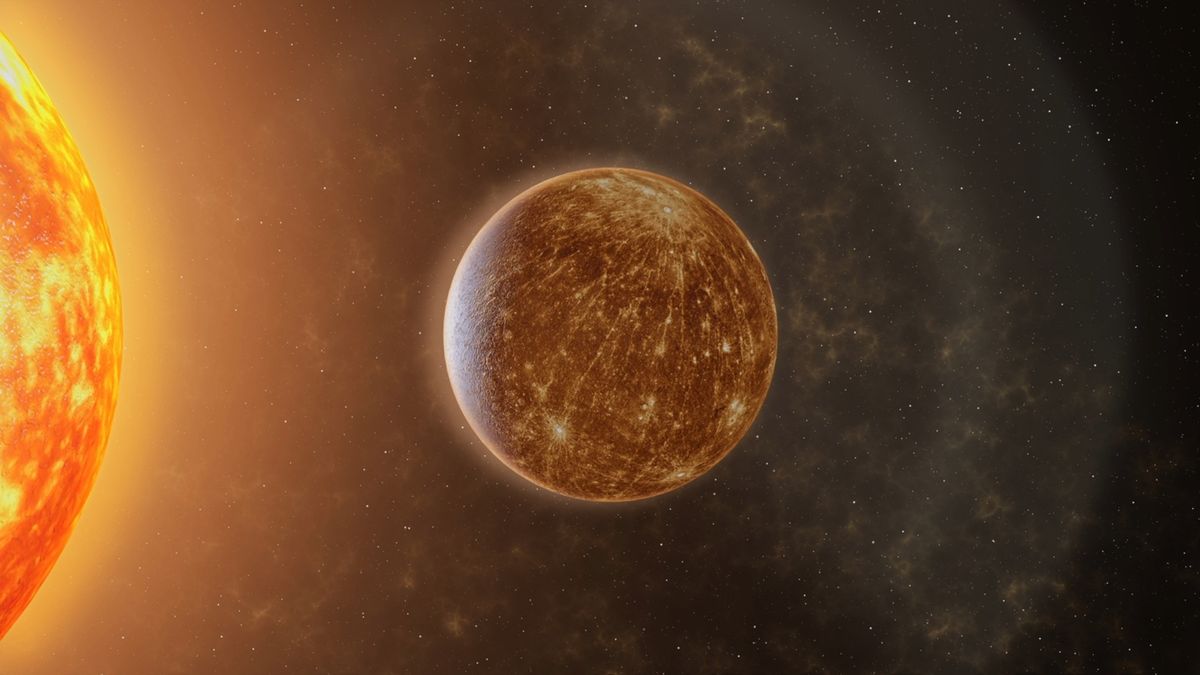
Scientists studying Mercury have uncovered evidence pointing to the existence of glaciers in the planet’s polar regions.
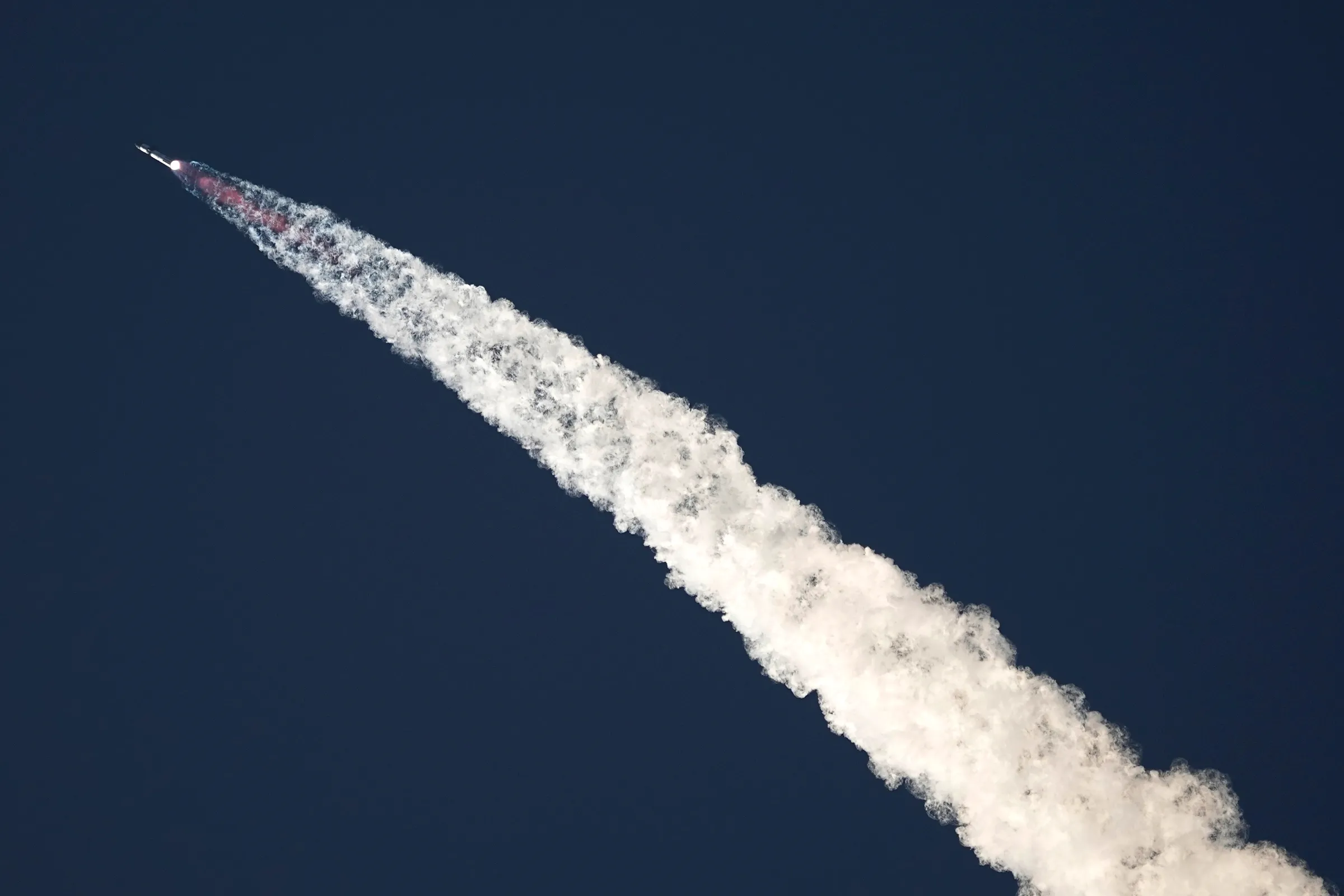
SpaceX’s space rocket Starship has self-destructed over the Atlantic Ocean. The rocket computer exploded in the air 8 minutes after it was launched from the coastal town of Boca Chica.
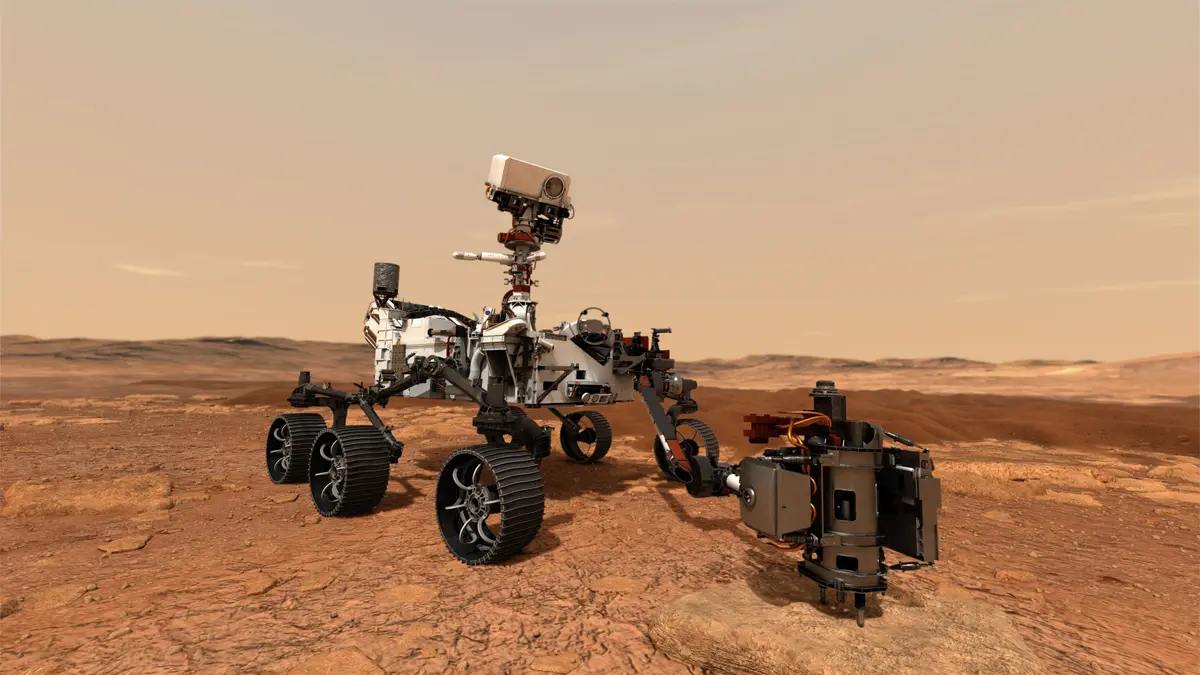
NASA has temporarily suspended its communications with its fleet of rovers on Mars.
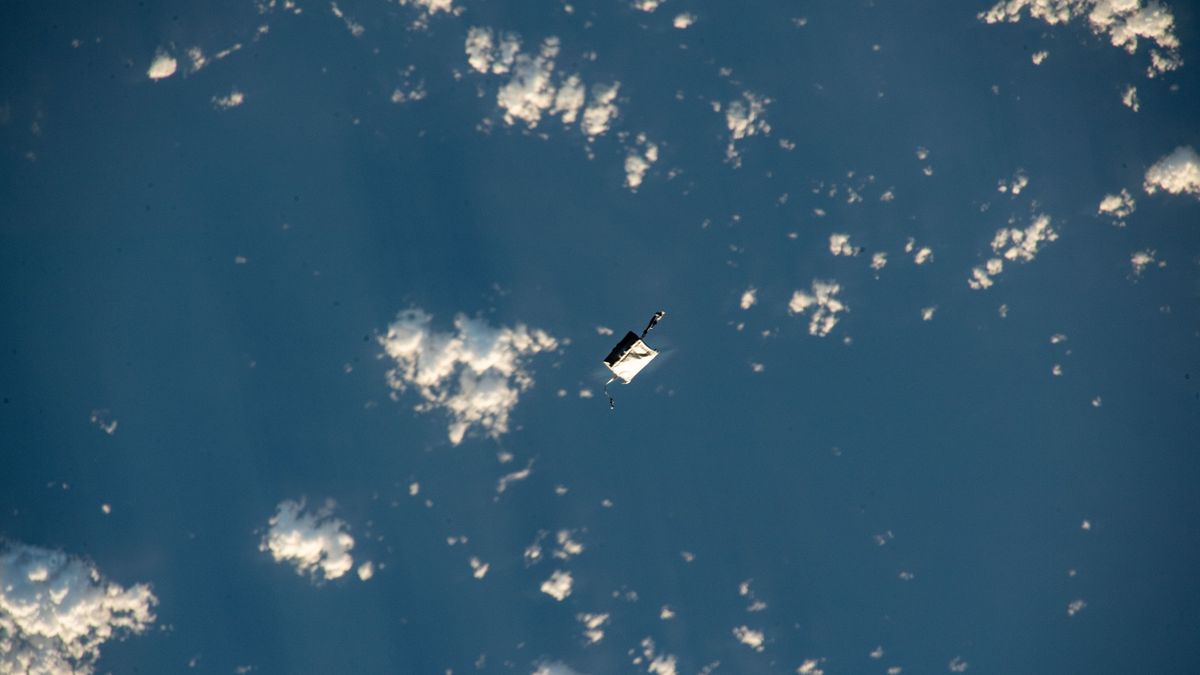
NASA astronauts Jasmin Moghbeli and Loral O’Hara accidentally let a toolkit slip into space. The white satchel-like bag, visible with binoculars, is currently orbiting Earth independently, NASA said.
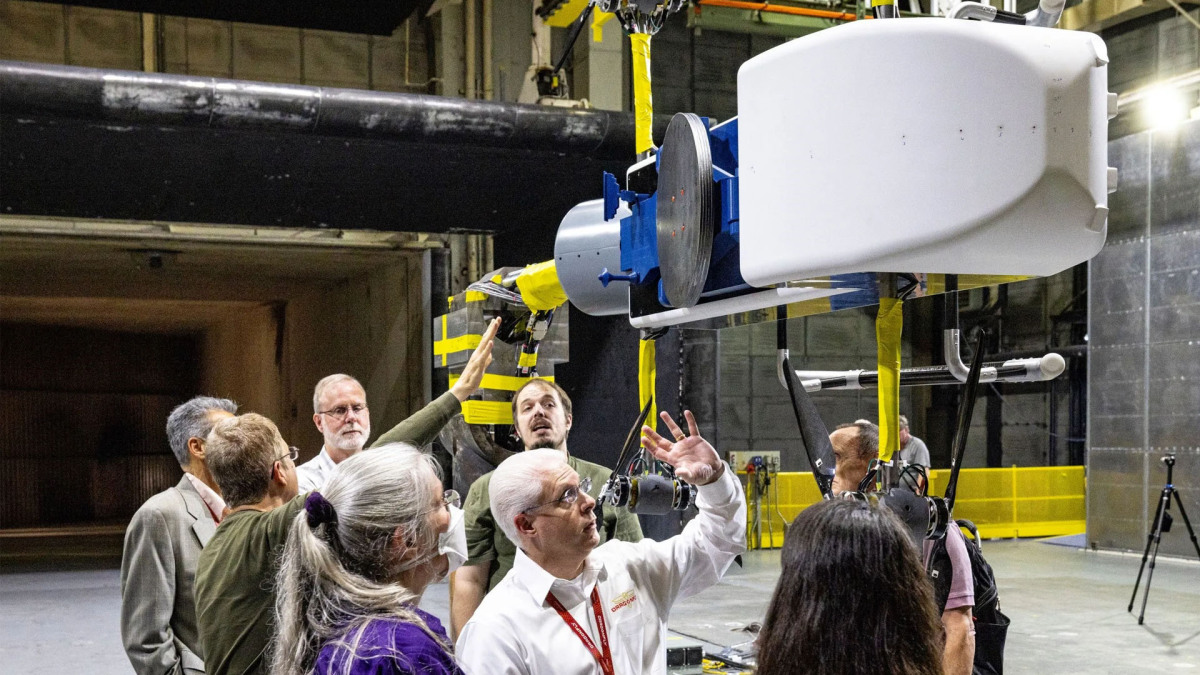
NASA’s Dragonfly, a car-sized rotorcraft, is preparing for a mission to explore Saturn’s largest moon, Titan. NASA’s Dragonfly rotorcraft will explore the moon to look for signs of life amid a highly Nitrogen-saturated environment.
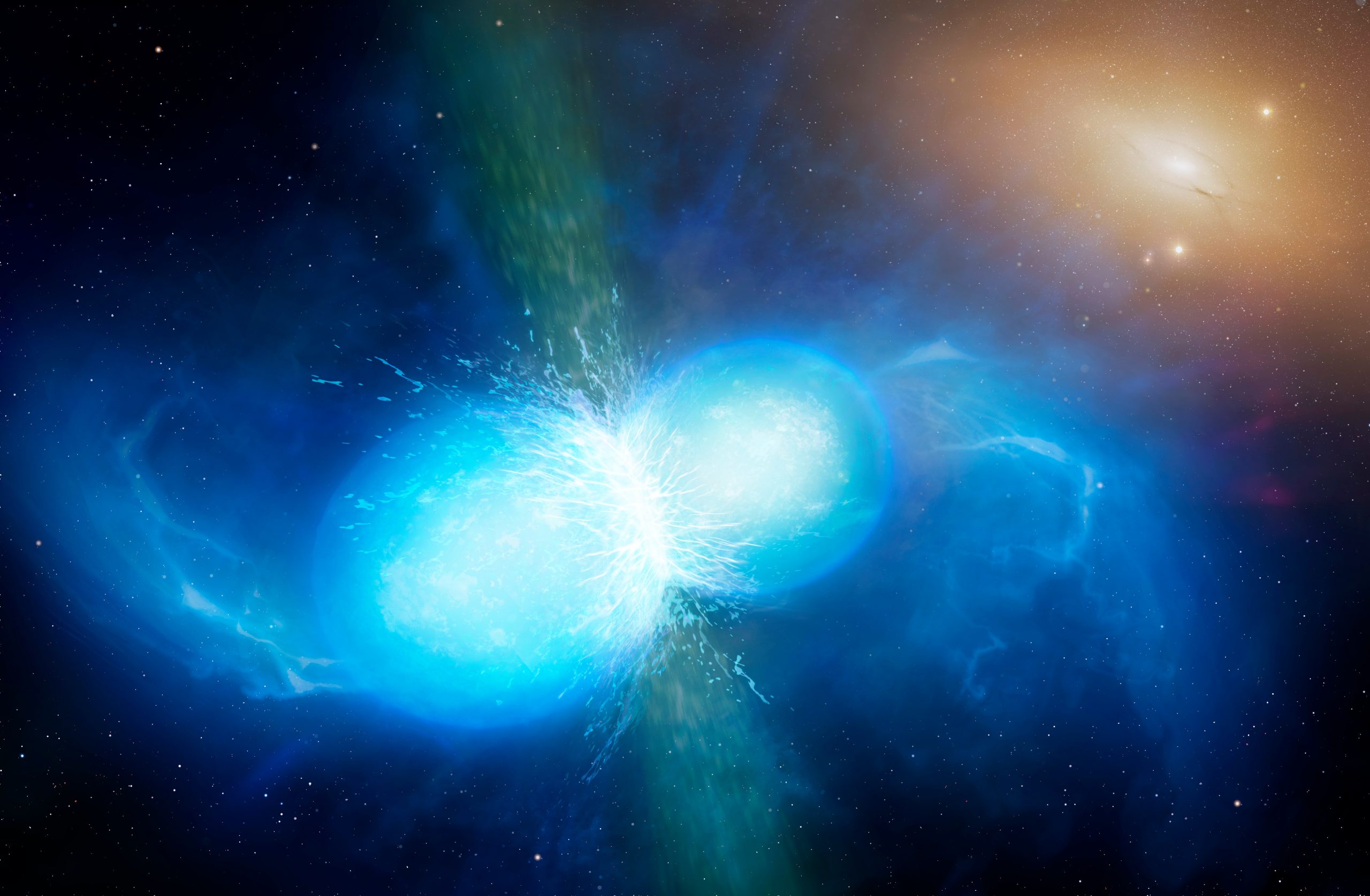
Scientists observed two icy planets colliding with each other deep inside space.
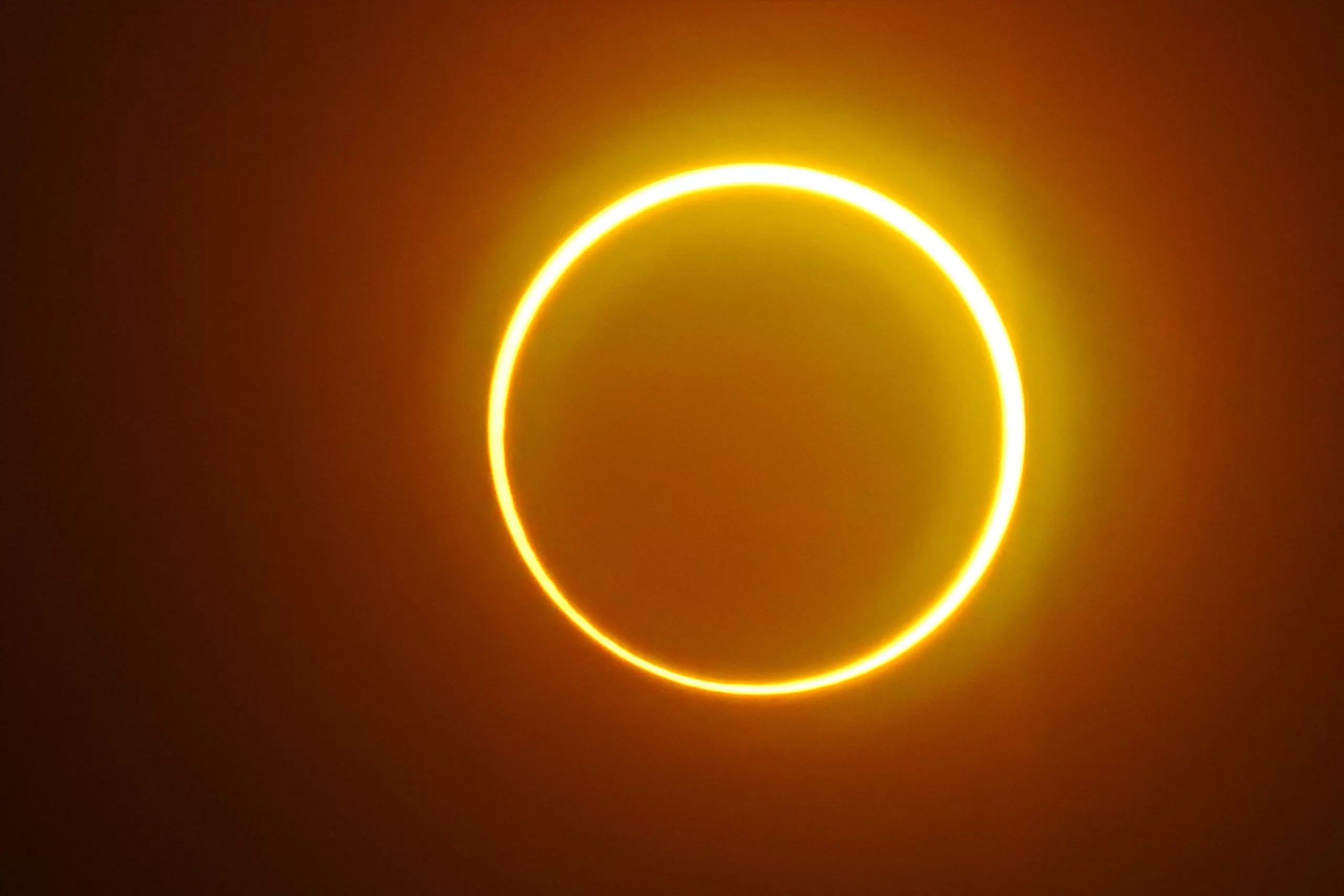
NASA will be sending three rockets into the moon’s shadow on the coming Saturday. The space agency is expected to examine the moon during a solar eclipse for the very first time.
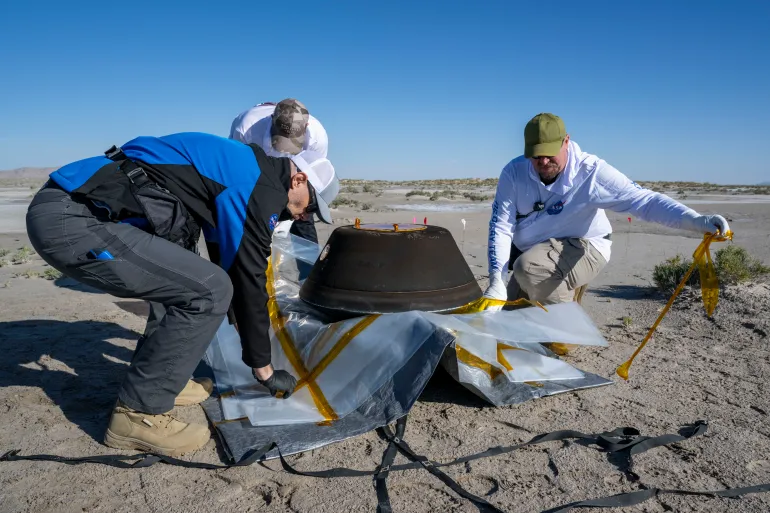
NASA’s Osiris-Rex Capsule carrying the oldest asteroid rock samples successfully landed on earth in Utah. The rock sample was taken from the asteroid Bennu, which has seen more than 4.5 billion years of history. The samples will provide important information about the evolution of our solar system, the agency said.
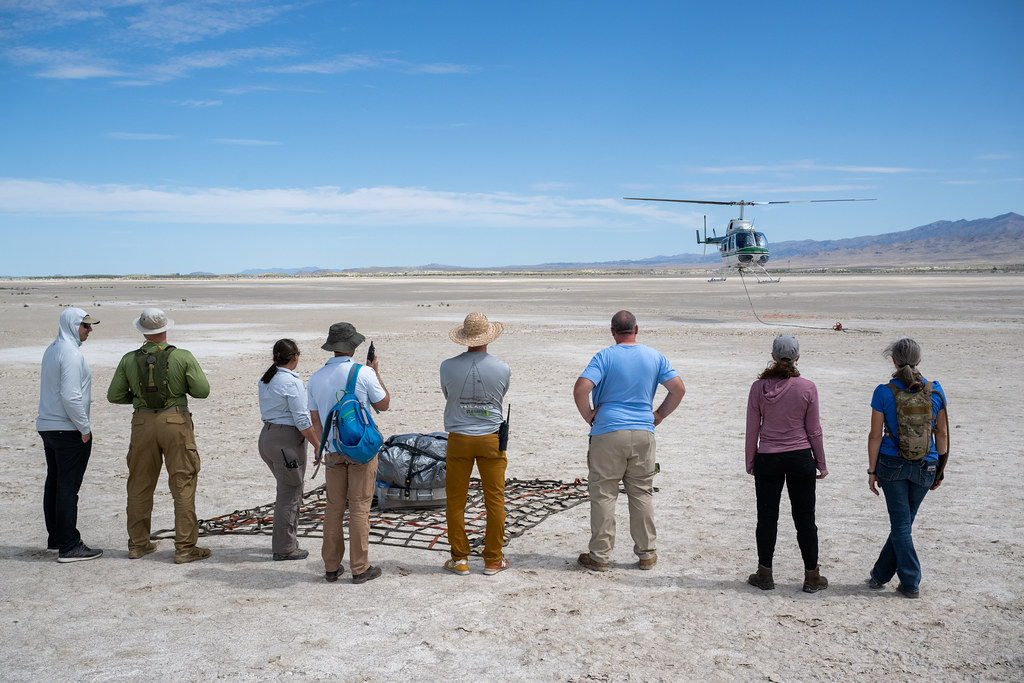
Scientists have been eagerly waiting to receive the oldest space sample expected to land on earth on Sunday. Nasa’s Osiris-Rex capsule will be carrying chunks of space rock believed to be 4.6 billion-years-old.
In a new groundbreaking study, astronomers have revealed that Neptune is losing its clouds. The clouds, once abundant on the planet, have started disappearing since 2019 and scientists now know why. After 3 decades of thorough observation from 1994 to 2022, the research revealed that the entire planet has lost chunks of its cloud base except its South Pole.