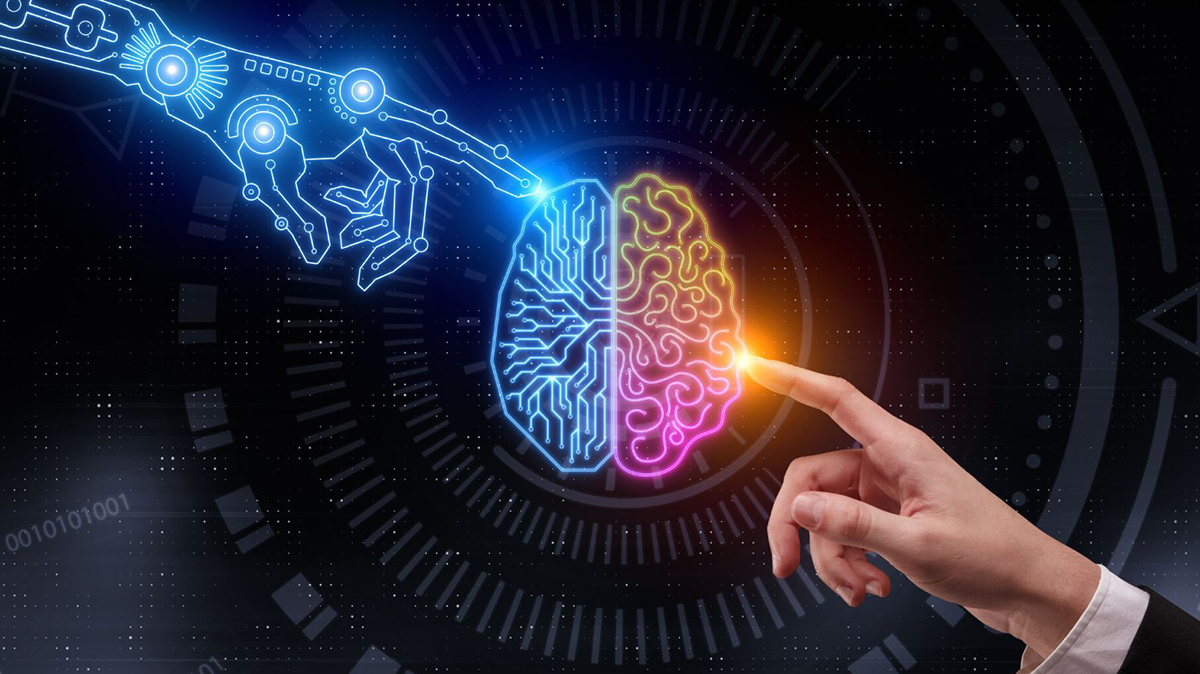
British AI Startup Outperforms Humans In Global Forecasting Contest
Could a machine really outguess the world’s best human forecasters? That’s exactly what happened this summer when a British AI system cracked the top 10

Could a machine really outguess the world’s best human forecasters? That’s exactly what happened this summer when a British AI system cracked the top 10
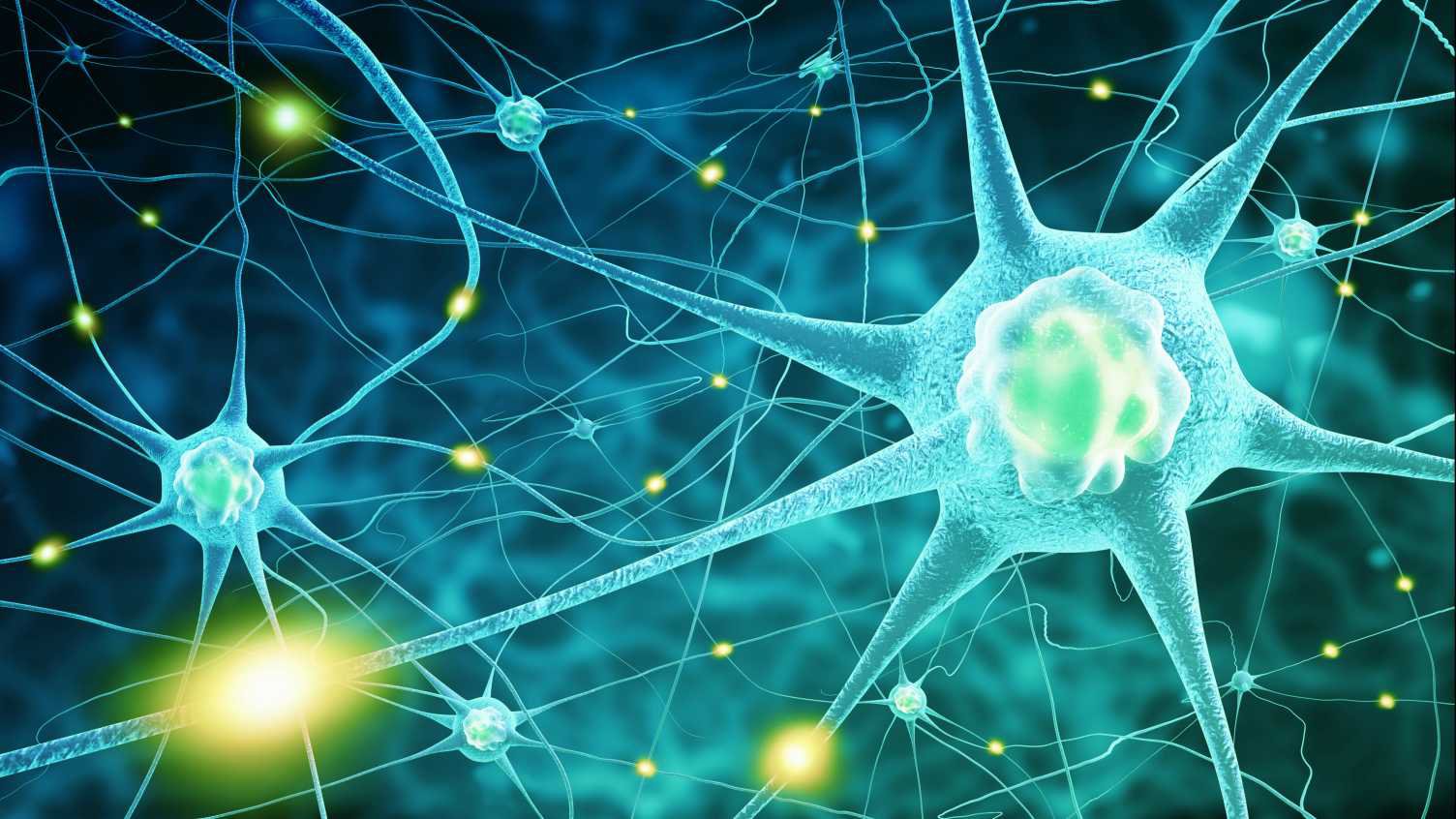
AI has been gradually integrated in every field of science, particularly in the medical field where scientists are using it to know malfunctions before it even occurs. According to the latest research, medical professionals are testing AI to identify signs of Alzheimer’s through speech patterns that are not recognized by family members or even physicians.
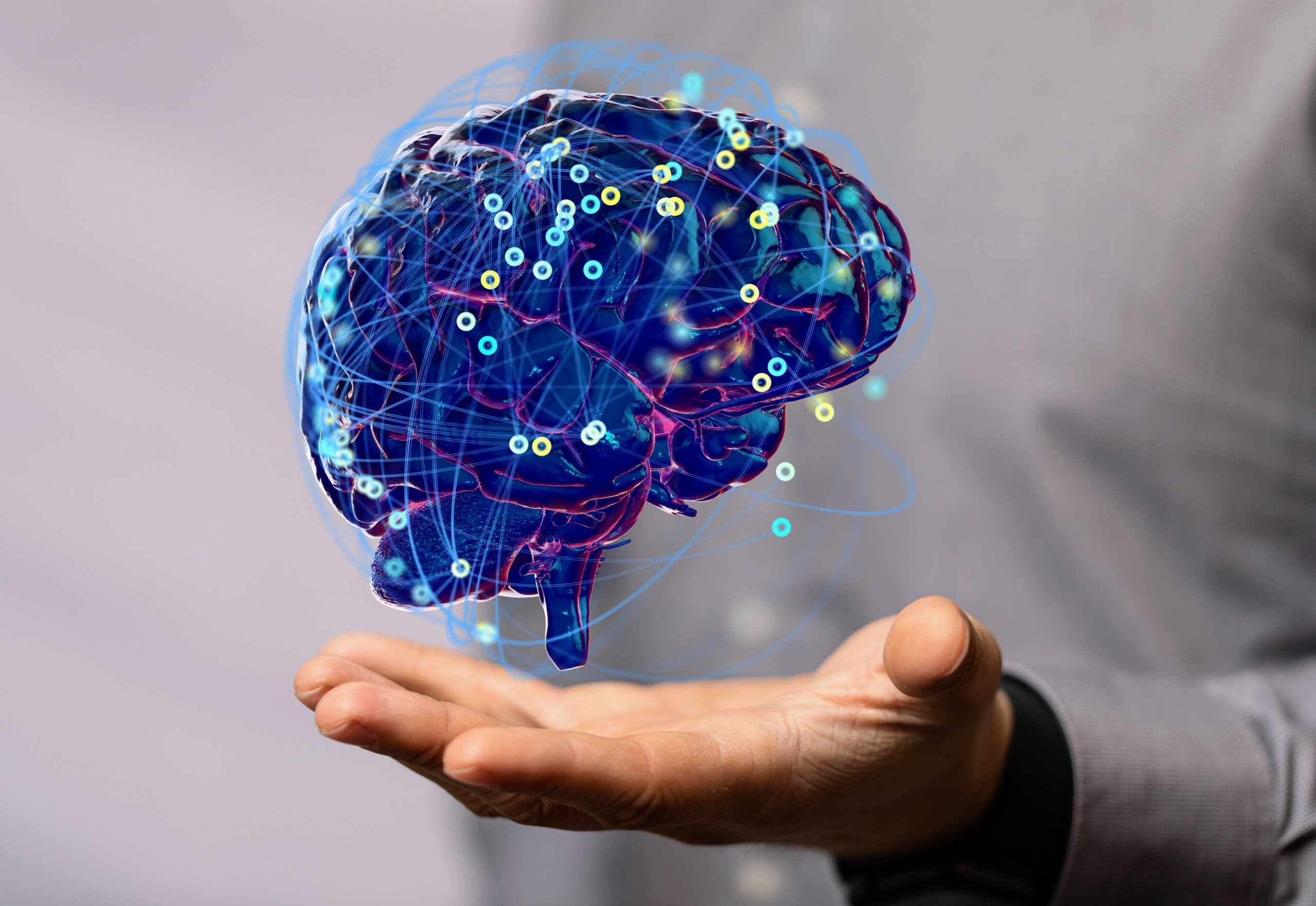
Scientists are improvising to use the human brain to develop biocomputers. The objective is to use human brains in order to create biological hardware to serve humanity in the long run. With revolutionary advancements in AI, scientists are concerned about the diminishing extraordinary role the human brain can play in storing information and problem-solving.
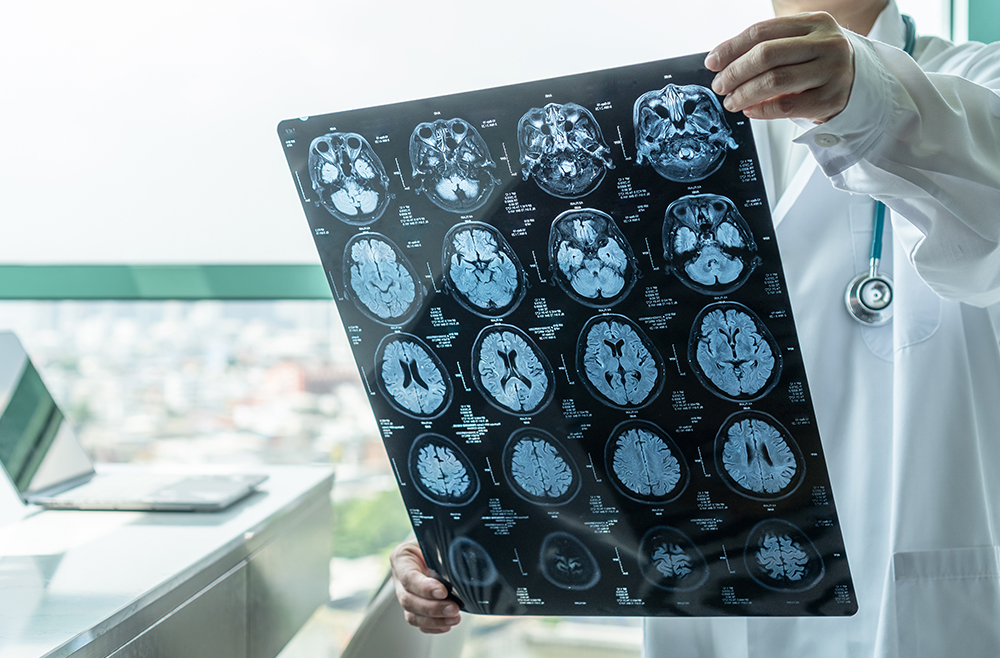
Researchers from two well-known research institutes, Max Planck Institute for Human Cognitive and Brain Sciences (MPI CBS) and University of Leipzig Medical Center, have used the latest AI technology to detect rare forms of dementia. The conditions included Alzheimer’s disease and many other conditions that primarily affect language and activities of motor neurons.
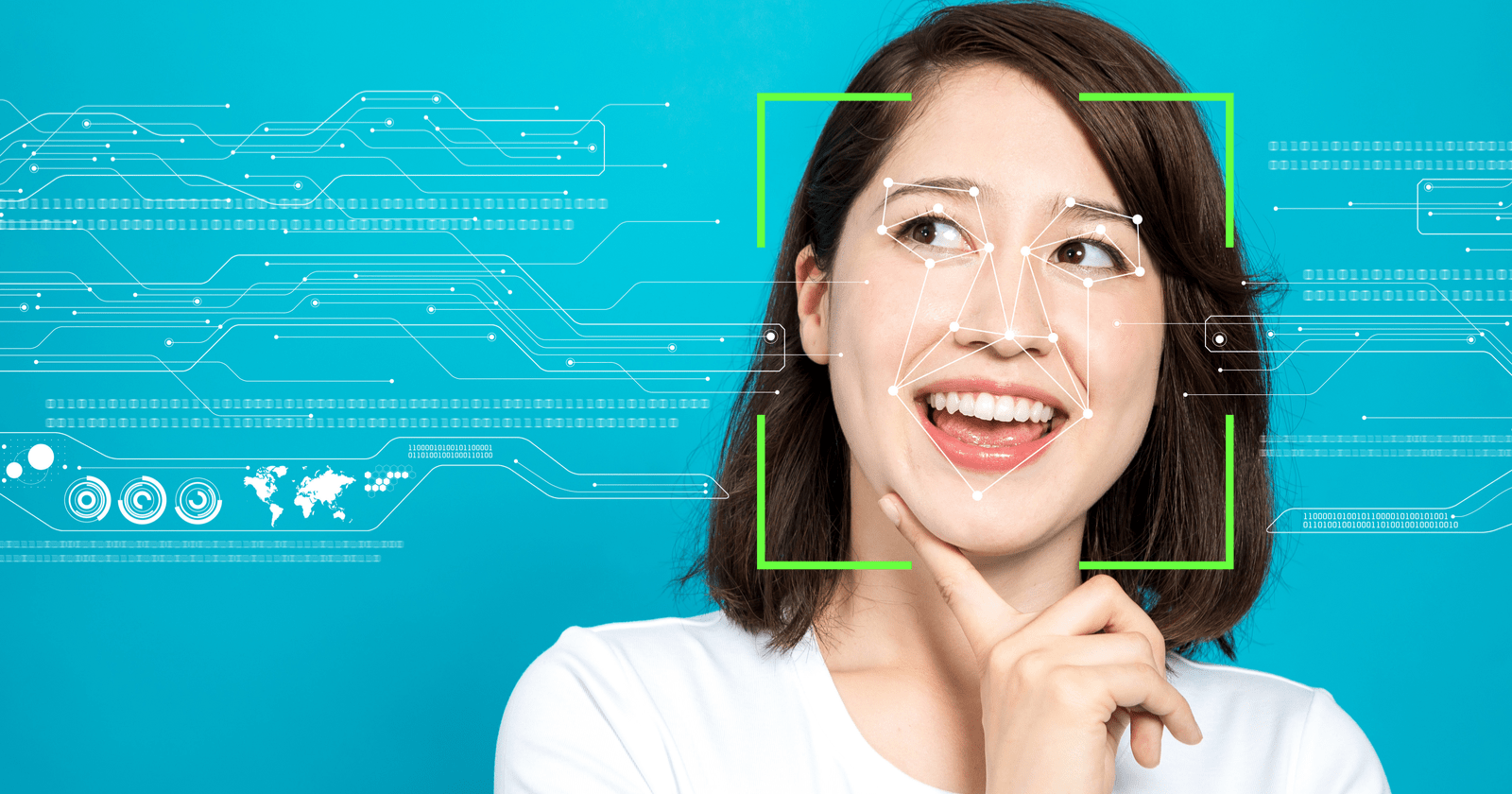
There has been a lot of debate recently over artificial intelligence (AI) being used to determine and detect human emotions. Some say that, when utilized correctly, such software may assist teachers, caretakers, and even salesmen perform a better job.

If you have ever tried to learn something new, you know the feeling, you are super hyped up at the beginning & then you try