
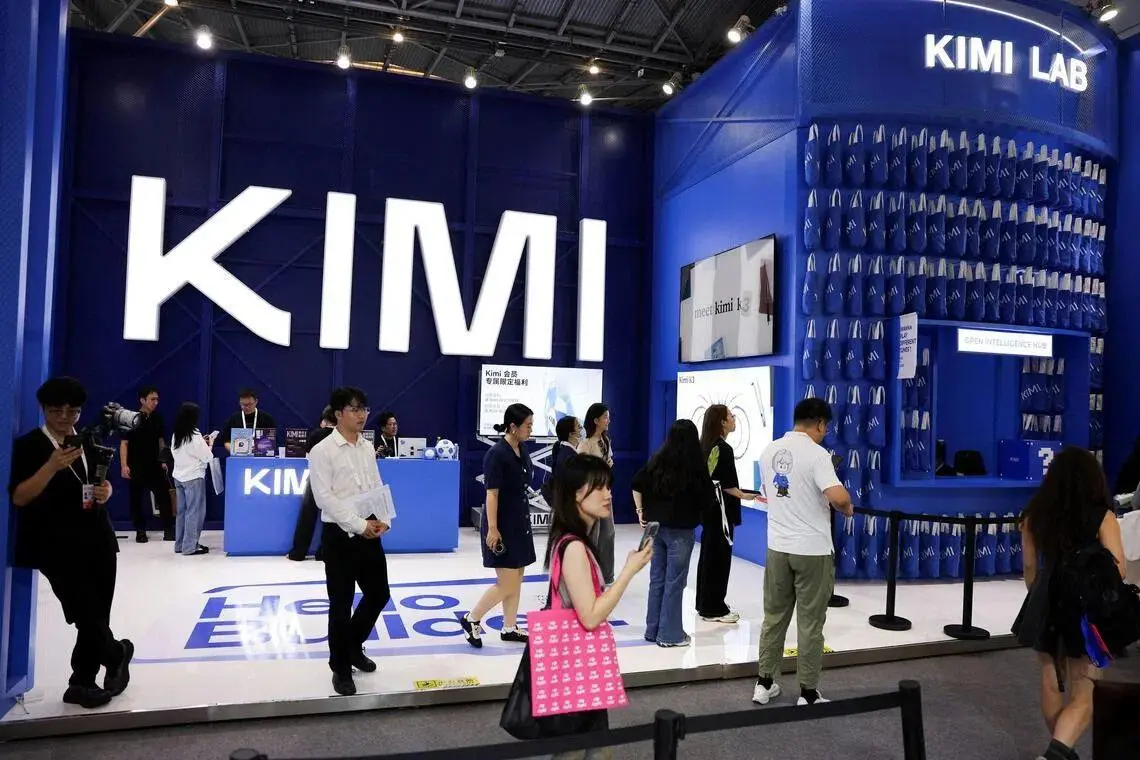
Is the AI race becoming a lot more competitive?
China’s Moonshot AI certainly thinks so after unveiling Kimi K3, a model it says is the world’s largest open-weight AI system.
Built with 2.8 trillion parameters, Kimi K3 is designed to tackle advanced reasoning, complex coding and knowledge-intensive tasks.
It also boasts a one million-token context window, meaning it can process far more information in a single conversation than many earlier AI models.
The launch comes just weeks after Anthropic’s Fable and Mythos models were pulled by the US government over security concerns.
It adds fresh momentum to China’s rapidly expanding open-source AI ecosystem.
Unlike closed-source systems, open-weight models let developers download, customise and run the software themselves.
This makes them especially attractive for researchers and businesses.
Chinese AI Challenges US Rivals
Moonshot claims Kimi K3 delivers performance close to Anthropic’s flagship Fable model and even surpasses several leading AI systems in hardware efficiency.
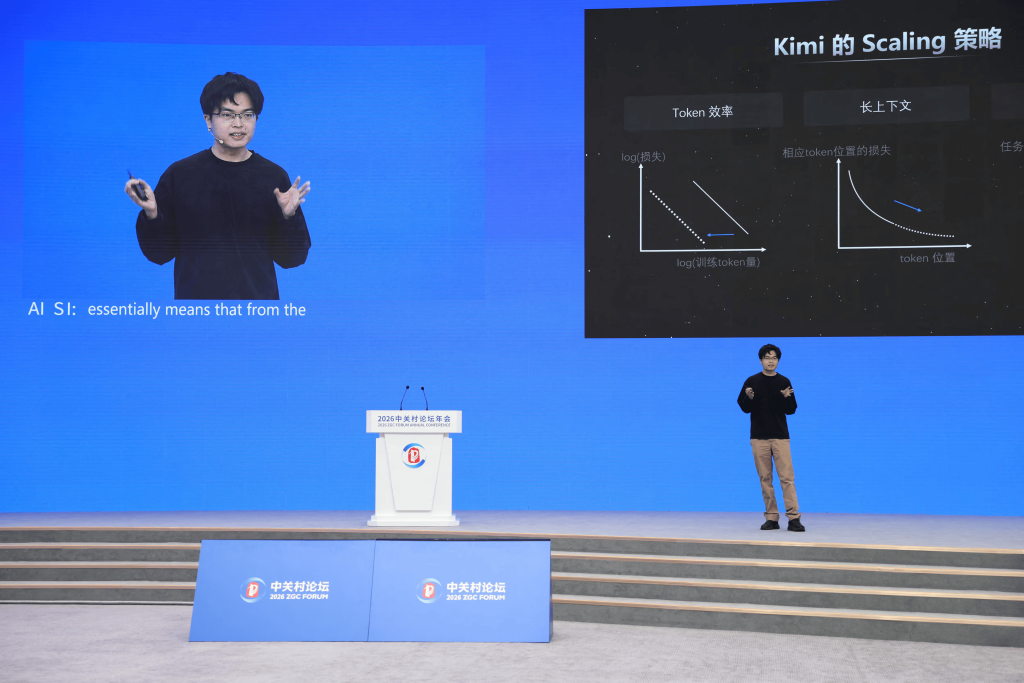
Independent testing has also been encouraging, with Arena.ai ranking it first for web interface-building tasks, while Vals AI placed it second overall behind Fable 5.
Chinese AI firms such as Moonshot, Z.ai and MiniMax are releasing increasingly capable models at lower costs.
They are challenging the idea that China is still trailing the US.
The AI race isn’t slowing down—it’s becoming faster, cheaper and far more global.