
Can China catch up in the race for reusable rockets? Its latest launch suggests the gap may be narrowing faster than many expected.
China has successfully landed a reusable rocket for the first time, marking a major milestone for its growing space ambitions.
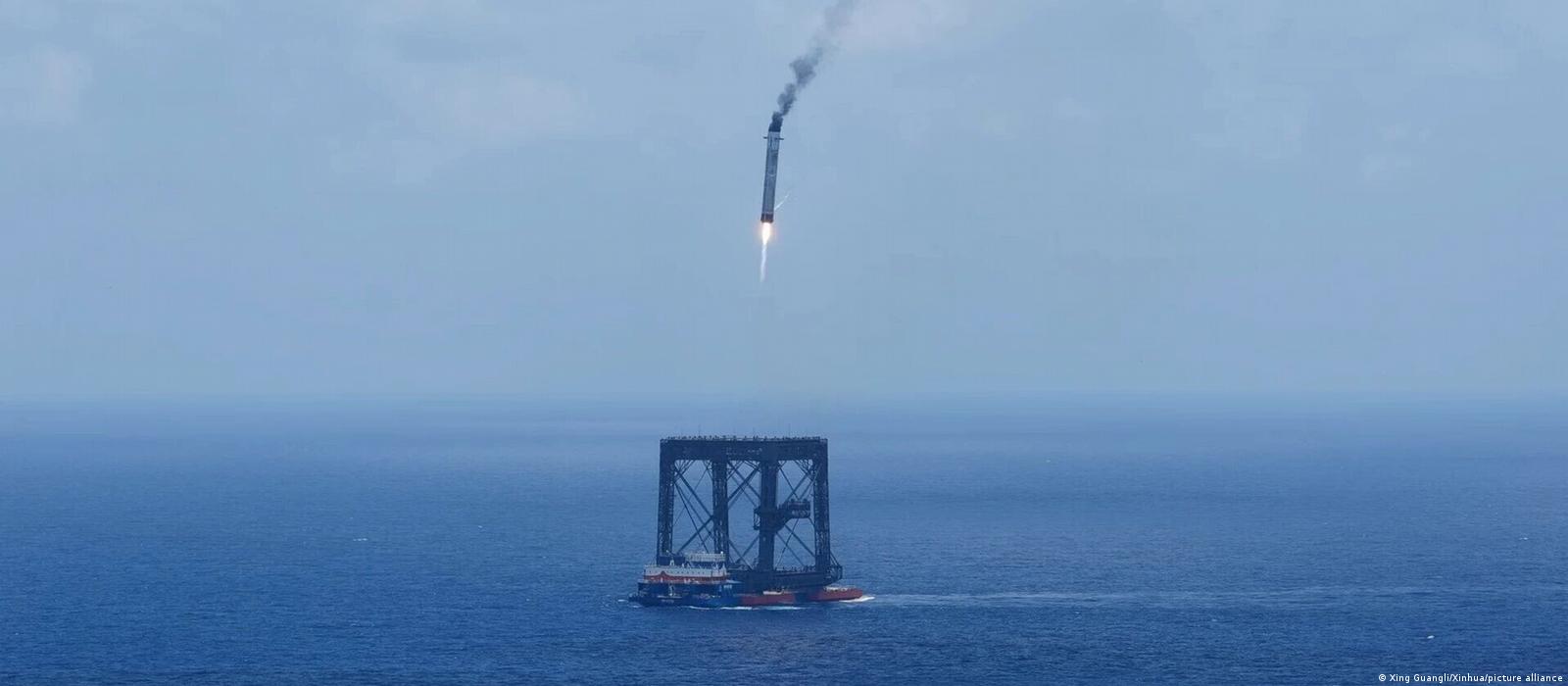
The Long March 10B lifted off from Hainan before its booster separated.
Just minutes later, it descended vertically and was safely recovered on a floating platform.
Why Does This Matter?
Traditional rockets are used once and discarded, making every launch expensive.
Reusing boosters dramatically cuts costs, which is why companies like SpaceX have transformed the economics of spaceflight.
SpaceX’s Falcon 9 now flies around 150 missions a year using boosters that can launch multiple times.
China’s approach is slightly different. Instead of landing directly on a pad or drone ship.
The Long March 10B uses special landing hooks that catch a net mounted on a floating platform.
The achievement follows an earlier recovery attempt in February.
Investor confidence has already boosted, with shares of several Chinese space companies surging after the announcement.
The global space race is no longer just about reaching orbit—it’s about getting there cheaper, faster, and doing it all over again.