

Can Congress really stop a president from waging war? Not quite—but it can send a message.
And that’s exactly what the Republican-controlled US Senate has done.
In a rare bipartisan move, the Senate voted 50-48 to approve a measure.
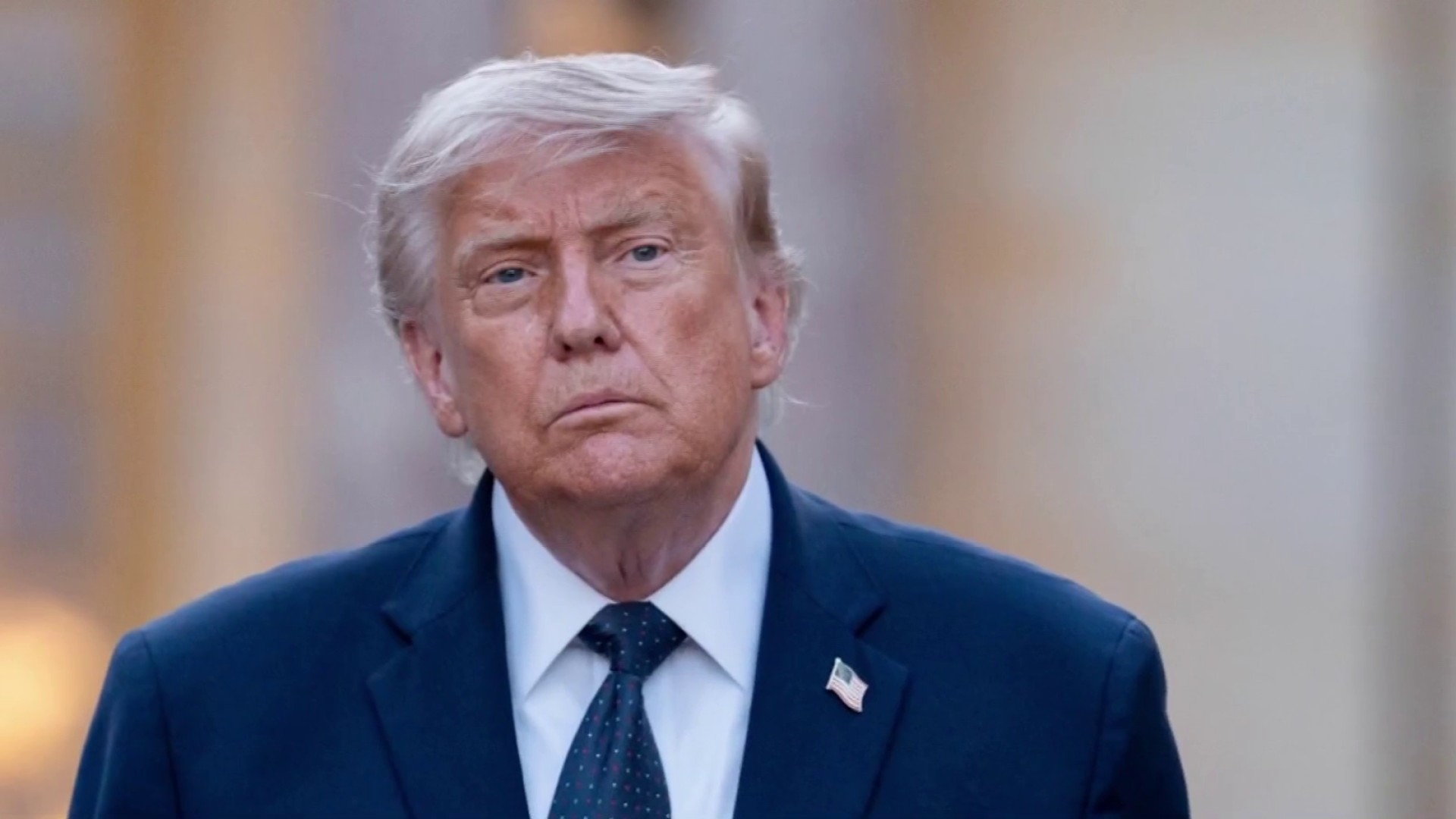
The measure urges President Donald Trump to either end US involvement in the Iran conflict or seek congressional approval before continuing military action.
The House passed the same resolution earlier this month.
The catch? The measure is largely symbolic. It won’t be sent to Trump, nor does it carry the force of law.
Still, analysts say the vote reflects growing public unease over a war that is nearing its fifth month and has driven up fuel prices.
Trump dismissed the resolution as “poorly timed and meaningless,” arguing it complicates efforts to pressure Iran during delicate negotiations.
Vote Exposes US Divisions
Middle East analyst Laura Blumenfeld summed it up simply: “It’s more of a slap on the wrist than a handcuff.”
In other words, Congress can express its frustration, but it cannot directly force the president’s hand.

The vote also exposed divisions within Trump’s own party, with four Republican senators siding with Democrats.
Meanwhile, the Pentagon is seeking $80 billion in additional funding, much of it linked to the Iran conflict.
For now, a ceasefire remains in place. But as negotiations continue, one question lingers.
Is this the beginning of peace—or merely a pause before the next political and military showdown?