
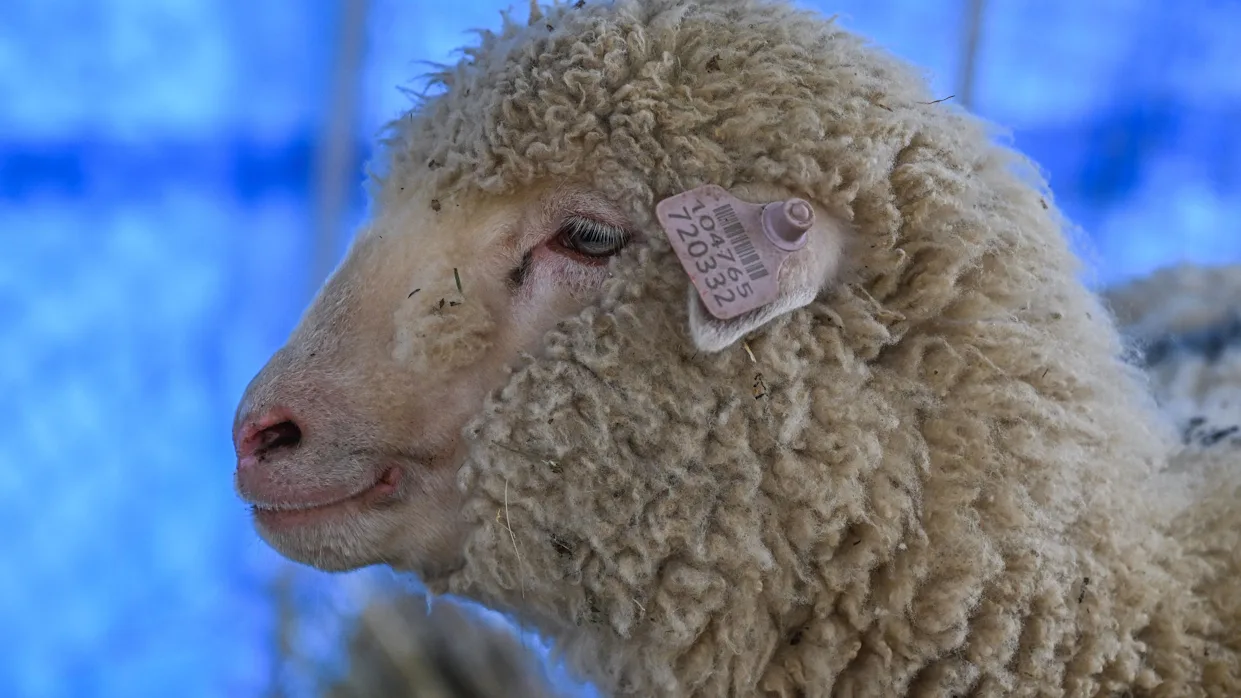
India’s first gene-edited sheep has just celebrated its first birthday—and researchers say it’s thriving.
Meet Tarmeem, born on 16 December last year in Kashmir, whose name fittingly means “modification” in Arabic. But what makes this sheep special?
Scientists used CRISPR, the gene-editing tool often likened to tiny molecular scissors, to snip out a gene that limits muscle growth.
The result: Tarmeem boasts about 10% more muscle than her non-edited twin.
“We targeted the myostatin gene, which normally restricts muscle development,” explained Dr Suhail Magray, part of the team at Sher-e-Kashmir Agricultural University.
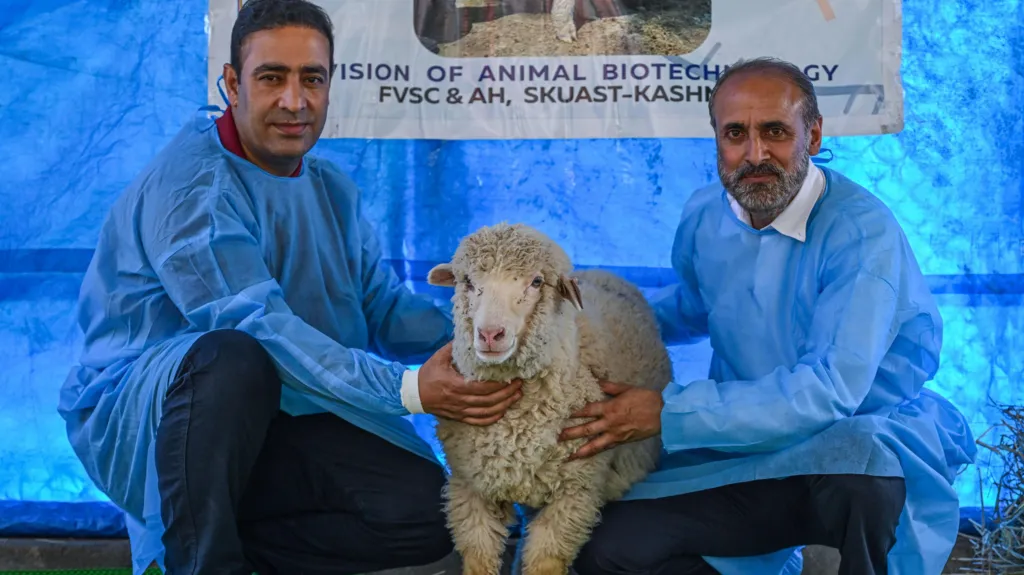
Breakthrough In Livestock
After editing embryos in the lab for a few days, they were transferred to a foster mother—and nature took its course.
Prof Riaz Shah, the project lead, says Tarmeem is showing normal health markers and that muscle growth may continue to rise with age.
Seven years of trial and error went into this breakthrough, with only one successful gene-edited lamb emerging from multiple IVF attempts.
The implications could be huge for Kashmir, which consumes roughly 60,000 tonnes of mutton annually but produces only half.
“Gene-editing can raise a sheep’s body weight by 30%.
This means fewer animals could produce more meat,” said Prof Nazir Ahmad Ganai, the university’s vice-chancellor.
With government approval, this could revolutionize not just sheep farming, but livestock farming across India.
Tarmeem might just be the start of a genetic leap toward sustainable meat production—science at work, one sheep at a time.