
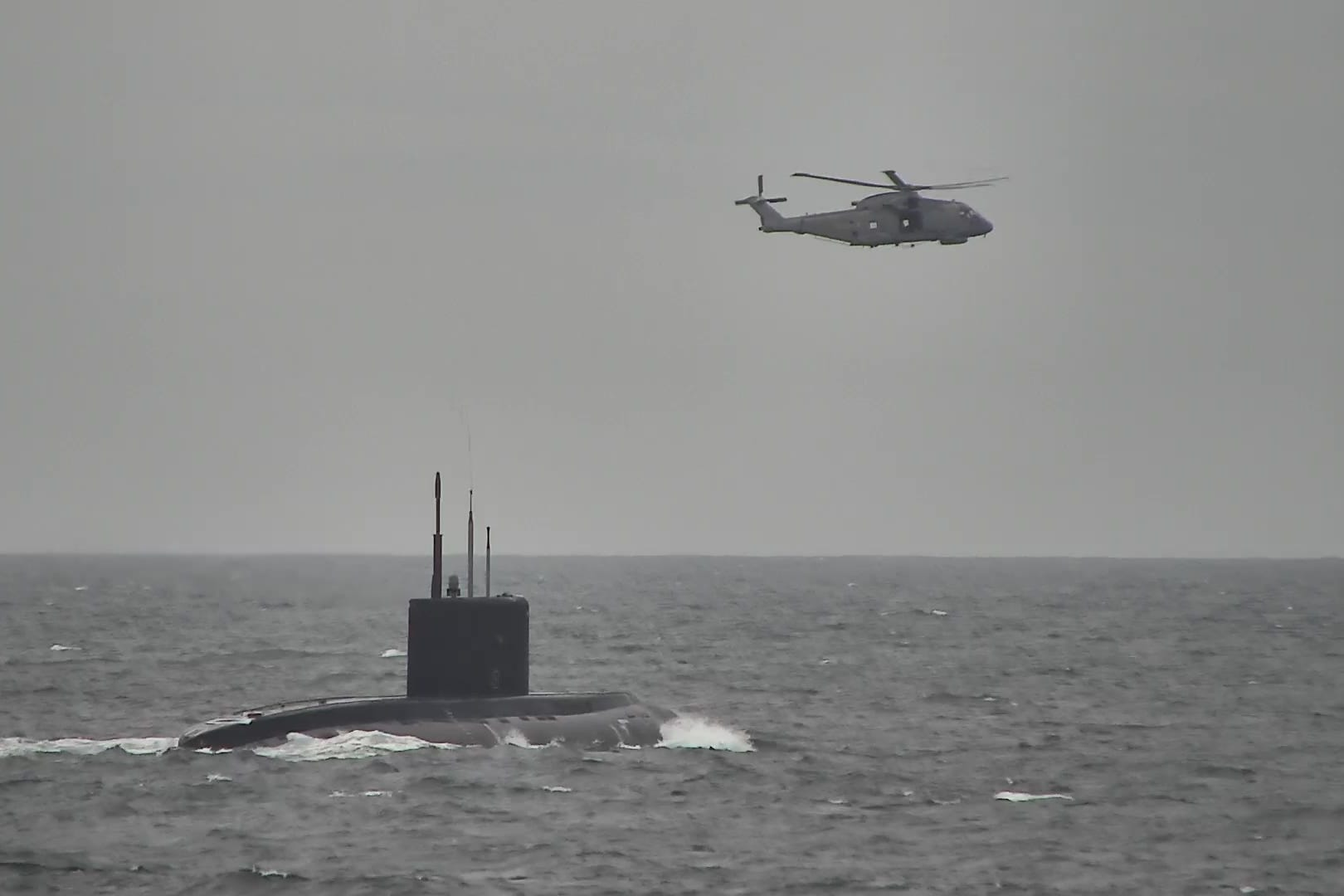
What happens when two of Europe’s closest allies decide they’ve had enough of Russia snooping around the North Atlantic?
The UK and Norway just answered that with a new defence pact.
It effectively creates a joint fleet to hunt Russian submarines and protect the undersea cables that keep Britain online.
Why now? British officials say Russian activity around UK waters has jumped by 30% in just two years.
The message from London is clear: those cables and pipelines running beneath the waves aren’t just wires — they’re lifelines.
Prime Minister Keir Starmer called the pact “historic”, saying it boosts the UK’s ability to defend critical infrastructure.
He and Norway’s leader Jonas Støre met at RAF Lossiemouth to hear from crews who’ve been tailing Russian ships like the Yantar.
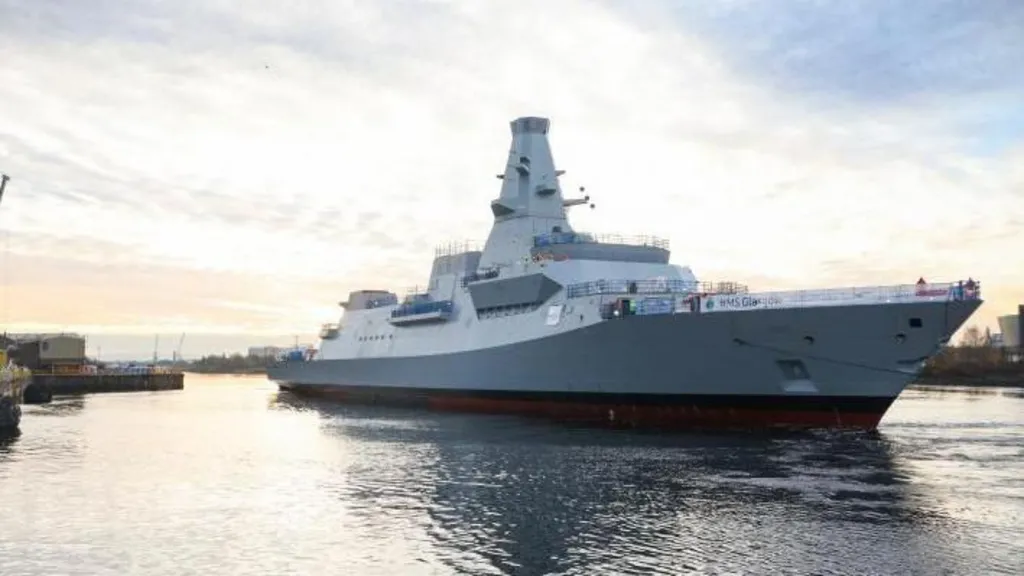
North Atlantic Defense
The Yantar is a so-called “research vessel” that Western officials suspect has been mapping undersea networks and even pointing lasers at RAF pilots.
Under the Lunna House agreement, at least 13 anti-submarine ships will now operate together across the North Atlantic “GIUK gap.”
This stretch is between Greenland, Iceland and the UK.
They’ll deploy UK-built Type-26 frigates, Sting Ray torpedoes, and advanced Norwegian Naval Strike Missiles capable of hitting targets over 160km away.
As Defence Secretary John Healey put it: “In this new era of threat, our strength comes from hard power and strong alliances.”
Because when your internet, gas, and financial systems depend on cables at the bottom of the ocean, you can’t afford surprises down there.