

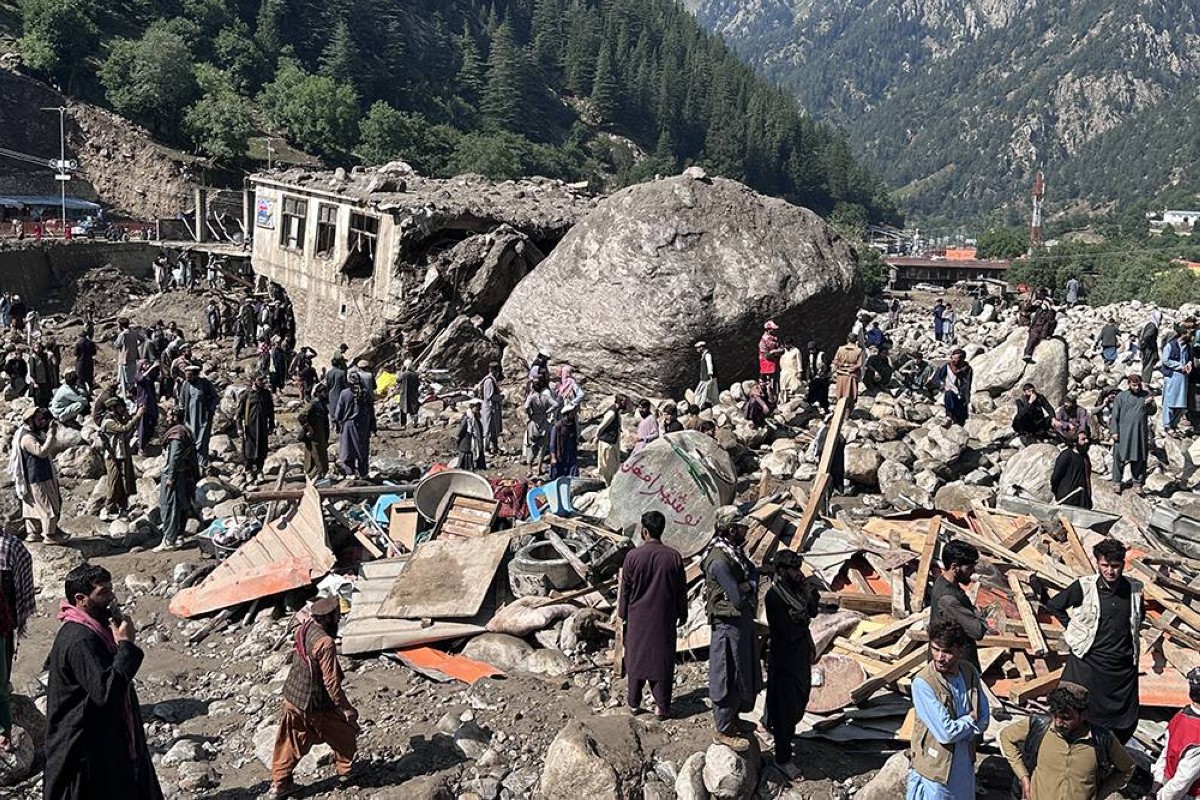
How quickly can a peaceful mountain town turn into a disaster zone?
In eastern Afghanistan, the answer was just a matter of hours.
Devastating flash floods swept through Nuristan province, killing at least 20 people and leaving more than 100 others missing.
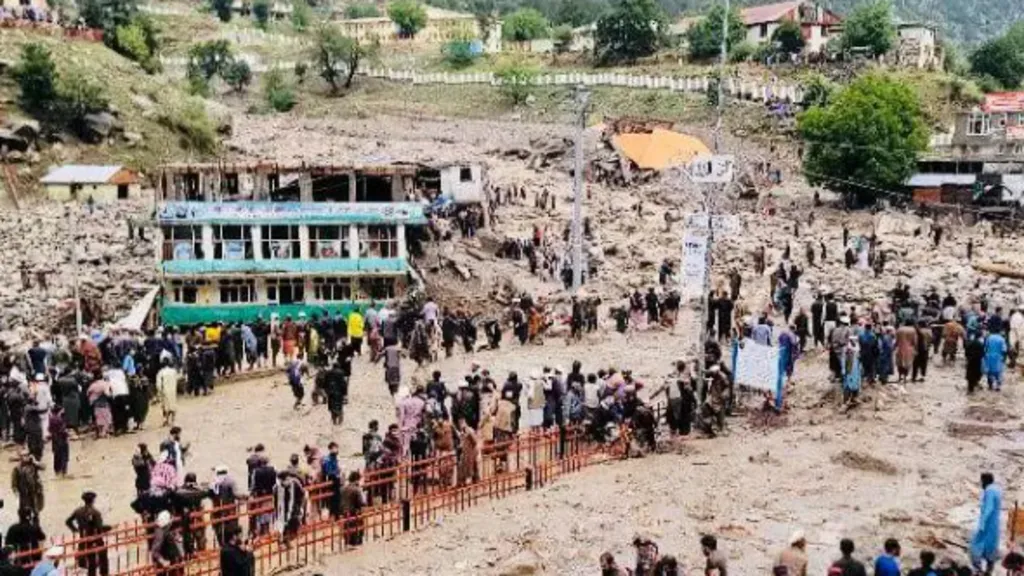
The worst damage was reported in Parun, the provincial capital, where homes, shops and government buildings were reduced to rubble.
More than 80 people were injured, and even the city’s mayor is among those still unaccounted for.
Rescue efforts have been painfully difficult.Ashiqullah Safi, head of the local NGO Shpoul, said the floods “completely destroyed the municipality”.
Residents were forced to dig through debris by hand because they lack proper equipment.
Floods Devastate Afghanistan
The Taliban government has warned that the death toll could rise as search operations continue.
More heavy rain and flooding are expected across several provinces.
Experts say Afghanistan’s vulnerability goes beyond extreme weather.
Decades of conflict, widespread poverty and deforestation have weakened the country’s ability to cope with disasters.
Illegal logging has reduced the land’s capacity to absorb heavy rainfall.
Nature can be breathtakingly beautiful—but when climate, geography and fragile infrastructure collide, it can also become heartbreakingly unforgiving.