
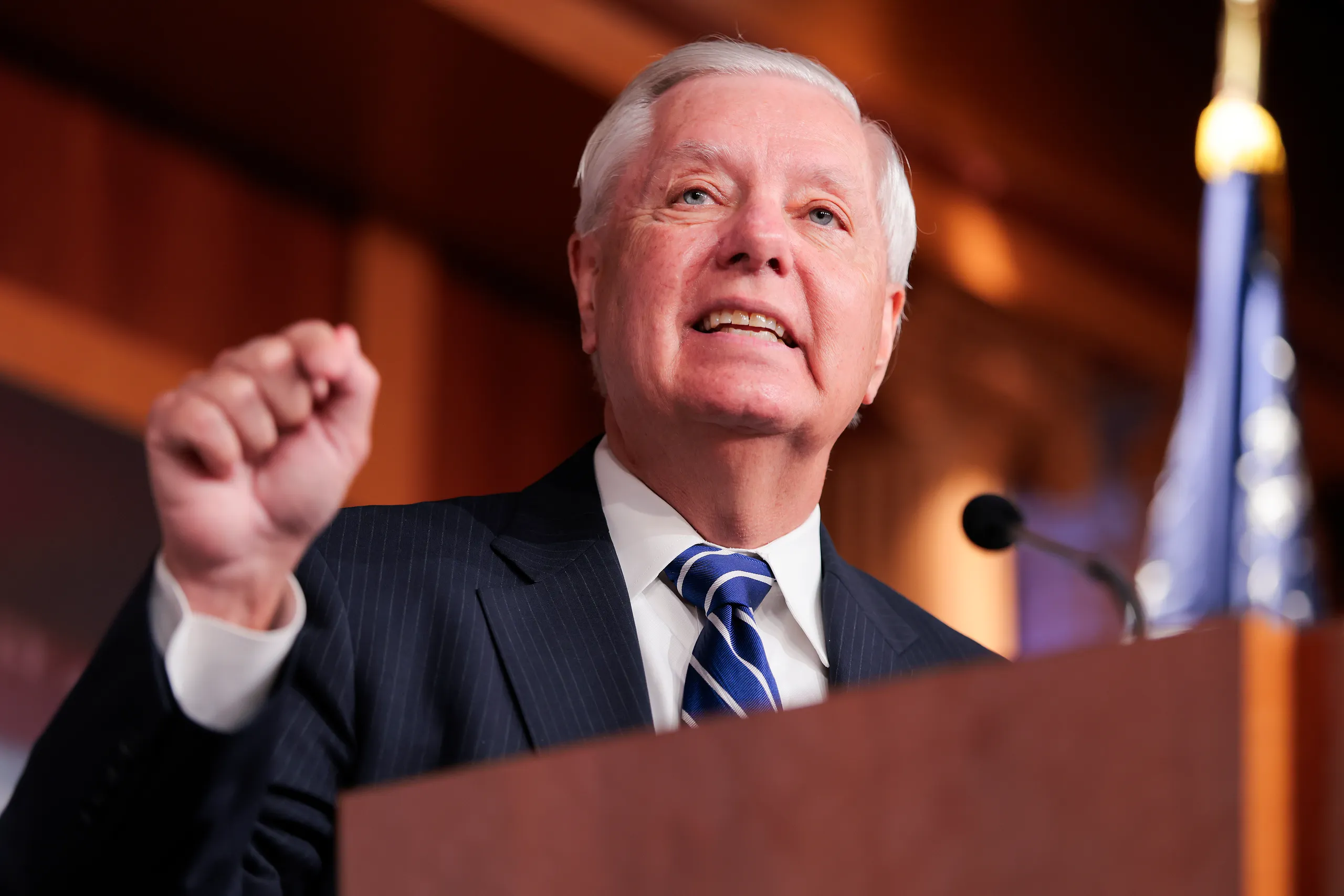
Washington has lost one of its most recognisable political figures.
Republican Senator Lindsey Graham has died at the age of 71 after what his office described as a “brief and sudden illness.”
His death ends a career that shaped US foreign policy for more than two decades.
The South Carolina senator had only just returned from Kyiv, where he met Ukrainian President Volodymyr Zelensky a day before his death.
According to US media, emergency responders were called to his Washington home after reports of cardiac arrest.
President Donald Trump led the tributes, calling Graham a “true American patriot” who would be “greatly missed.”
Speaking to NBC, Trump said the senator “sounded great” just hours earlier, adding, “He was a tough cookie… but he was a good person.”
Graham Leaves Political Legacy
Graham’s political journey was anything but ordinary.
Once one of Trump’s fiercest Republican critics, he later became one of his strongest allies, backing him through impeachment and the 2024 election.
Beyond domestic politics, Graham built a reputation as one of Washington’s most outspoken advocates for military intervention.
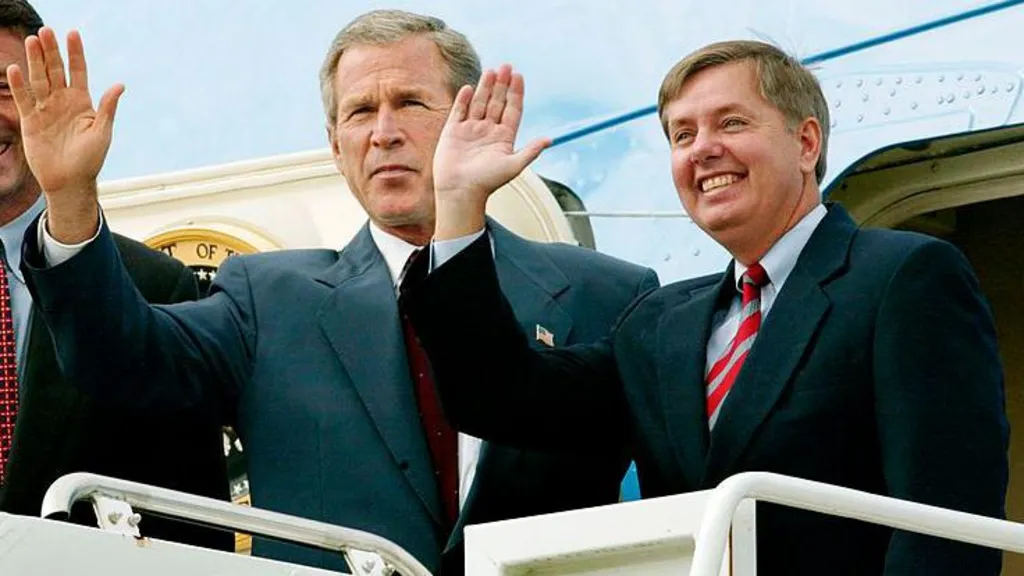
He strongly supported Ukraine, Israel, and a hard-line stance on Iran.
His death leaves Republicans with a vacant Senate seat just months before crucial midterm elections.
In politics, few careers follow a straight line—and Lindsey Graham’s legacy is likely to spark debate for years to come.