

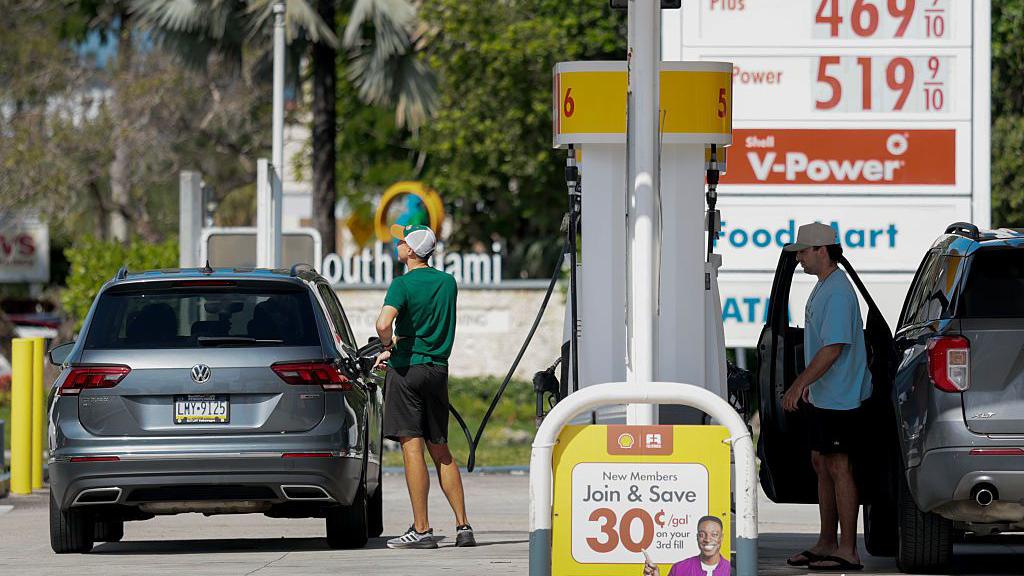
American consumers are feeling the squeeze once again.
After months of mounting pressure, inflation climbed to 4.2% in May — its highest level in three years.
But what’s driving prices higher, and what does it mean for households?
The biggest culprit appears to be energy. Rising fuel and electricity costs pushed inflation up from 3.8% in April.
Marking the third consecutive monthly increase.
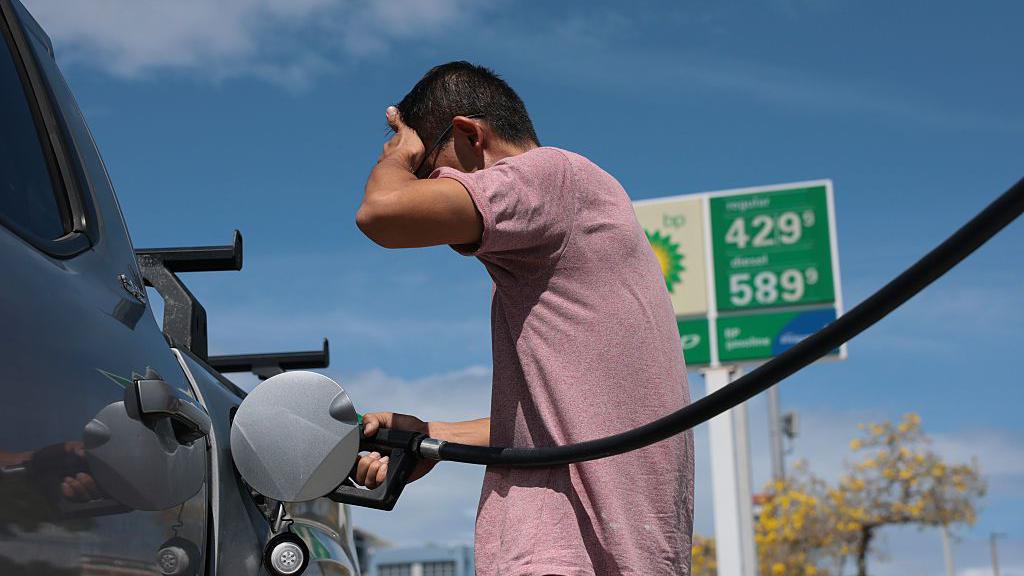
Petrol prices have surged in particular, following disruptions linked to the conflict involving the US, Israel, and Iran.
Why Does That Matter?
Because the Strait of Hormuz — a critical route for global oil shipments — has faced severe disruption, sending energy prices soaring worldwide.
For many Americans, that translates into higher costs every time they fill up their cars or pay utility bills.
The impact is spreading beyond energy. Airfares, healthcare, recreation, and communication services also became more expensive in May.
Now attention is turning to the Federal Reserve.
Higher inflation often increases pressure on the central bank to raise interest rates, making borrowing more expensive in an effort to cool spending.
Economists remain divided. Some argue one month’s data isn’t enough to justify higher rates.
Others believe stronger inflation and robust jobs figures make a rate hike increasingly likely.
For President Donald Trump, the timing is politically awkward.
After promising to tackle the cost of living, voters are once again confronting a familiar question: why does everything seem to cost more?