
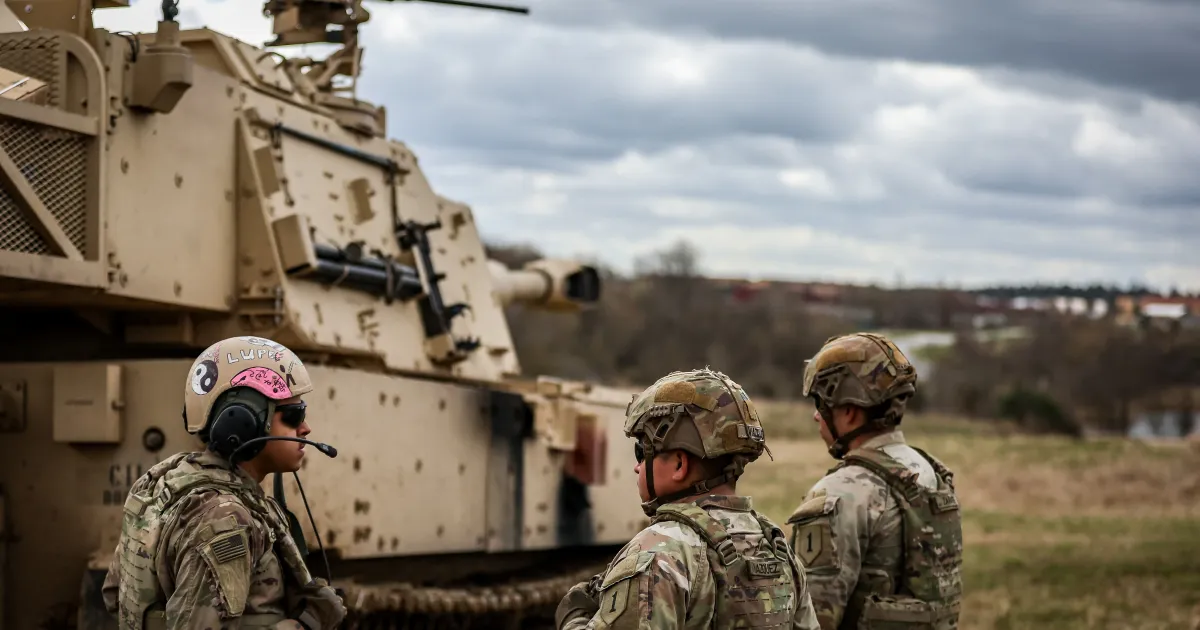
Is pulling troops back a smart strategic shift—or a risky signal to rivals?
That’s the debate heating up after the Pentagon’s plan to withdraw 5,000 US troops from Germany. Critics aren’t holding back.
Senior Republicans Roger Wicker and Mike Rogers warn the move could weaken deterrence and embolden Vladimir Putin.
Their argument? Don’t pull back—push east.
The Pentagon insists the decision reflects “conditions on the ground.”
But timing matters. With tensions high and Europe boosting defence spending, some see this as a step in the wrong direction.
Even Donald Trump hinted this may just be the beginning: more cuts could follow.
That raises eyebrows across NATO, already uneasy about unity.
NATO Tensions Rise
Germany’s defence minister Boris Pistorius called the move “foreseeable” but stressed US troops remain vital for both sides.
Meanwhile, Polish PM Donald Tusk issued a blunt warning: the real threat might be the alliance itself “disintegrating.”
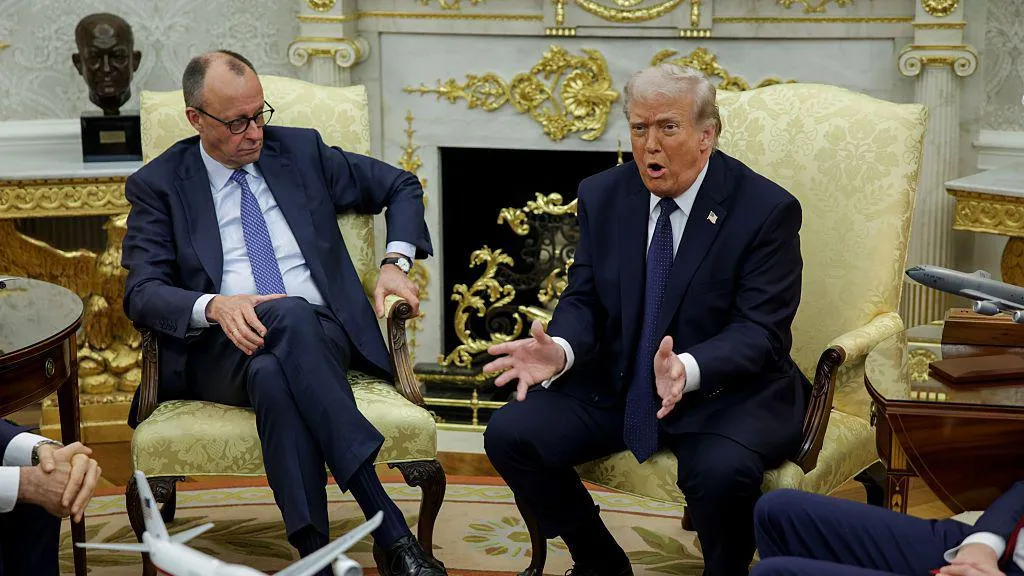
Behind the scenes, politics are clearly in play—clashes over defence spending, sharp words between leaders, and a shifting US focus toward Asia.
So here’s the bigger picture: is this a tactical redeployment… or the start of a strategic retreat?
Because in global security, perception isn’t just important—it’s everything.