

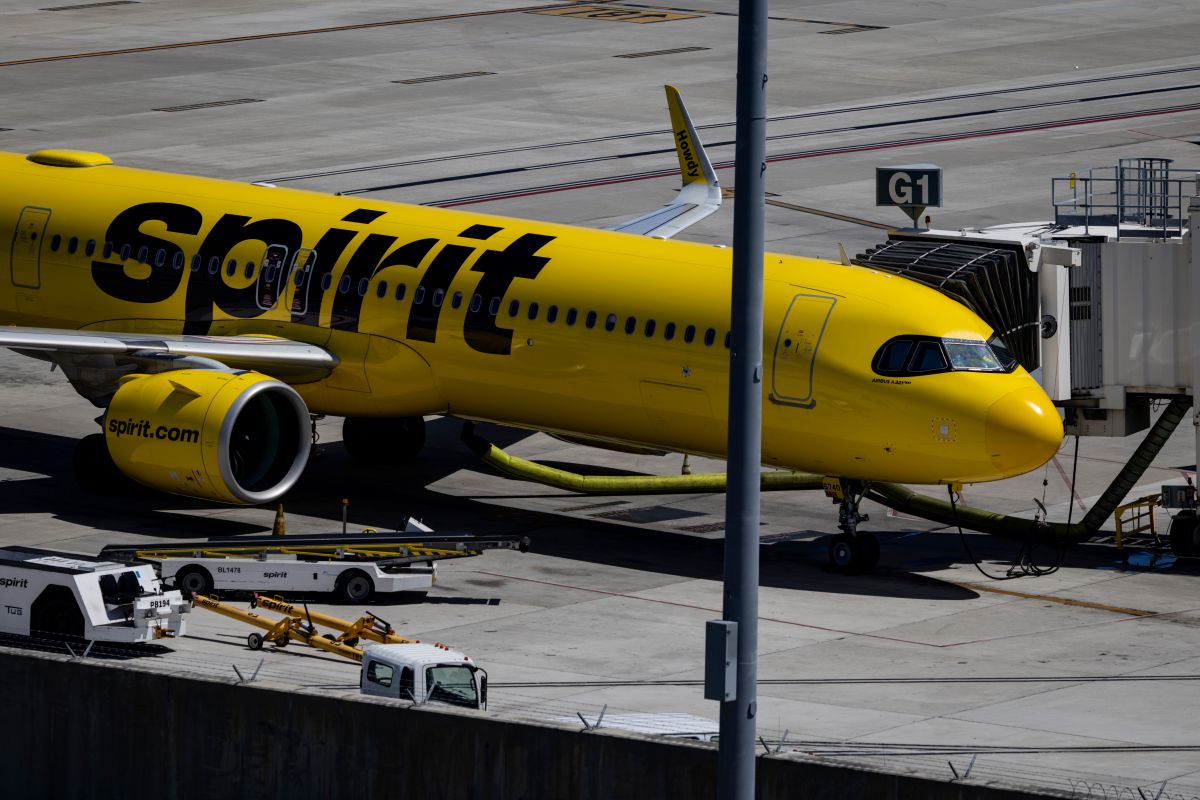
What happens when a budget airline runs out of runway—literally and financially? That’s the reality now for Spirit Airlines.
Which has abruptly shut down after failing to secure a $500 million bailout from the administration of Donald Trump. Flights cancelled.
Passengers stranded. Thousands of workers left in limbo.
The airline says rising jet fuel costs—fueled by the Iran conflict—pushed it over the edge.
CEO Dave Davis called it the “only option.” But not everyone agrees.
US Transportation Secretary Sean Duffy pushed back bluntly: “Their model wasn’t working… the war was not the impetus.”
What Really Went Wrong?
Spirit had already been struggling, navigating multiple bankruptcies and attempting a restructuring.
Then came soaring fuel prices—often up to 40% of airline costs. For a low-cost carrier built on razor-thin margins, that’s a brutal hit.
Meanwhile, chaos unfolded at airports. Some passengers learned the news mid-journey.
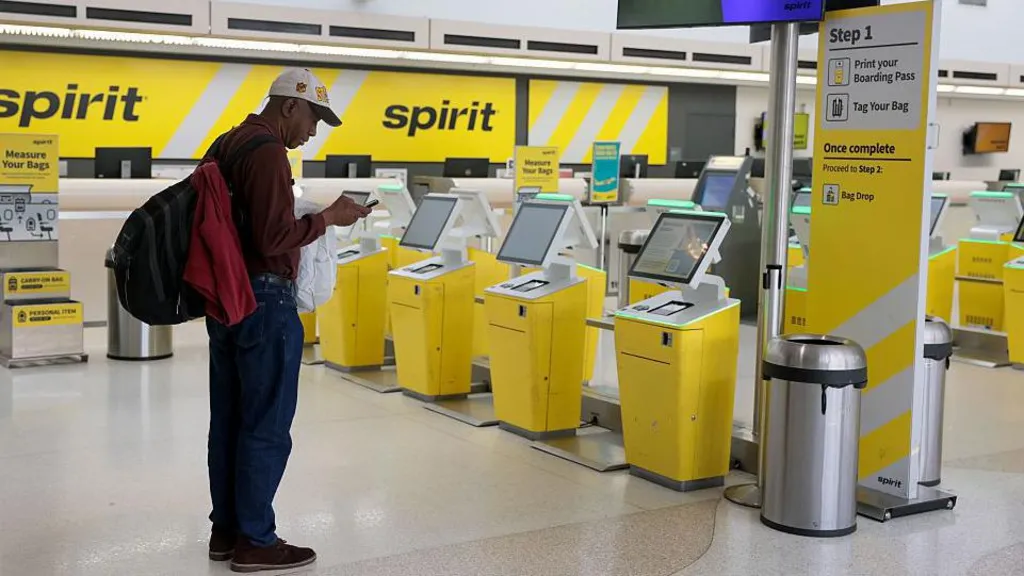
Others showed up, luggage in hand, only to find empty counters. Rival airlines stepped in with “rescue fares,” but at higher prices.
Industry analyst Savanthi Syth summed it up: “The final nail in the coffin.”
The bigger question? If even ultra-budget airlines can’t survive shocks like this… what does that mean for affordable travel in the future?