
So, who really holds the power in Iraq’s political system—the president, or the person who comes next?
That question is back in focus after a major parliamentary vote in Iraq.
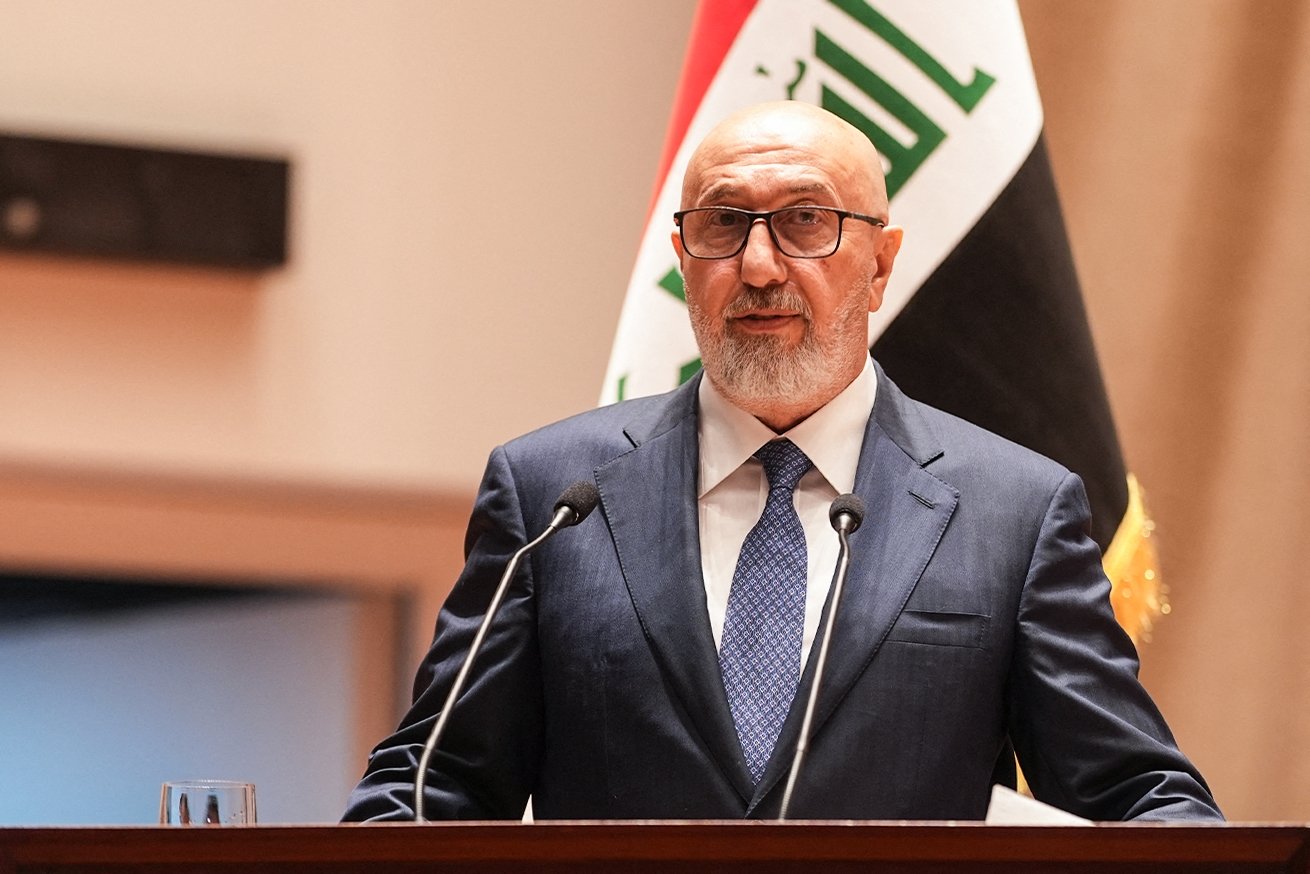
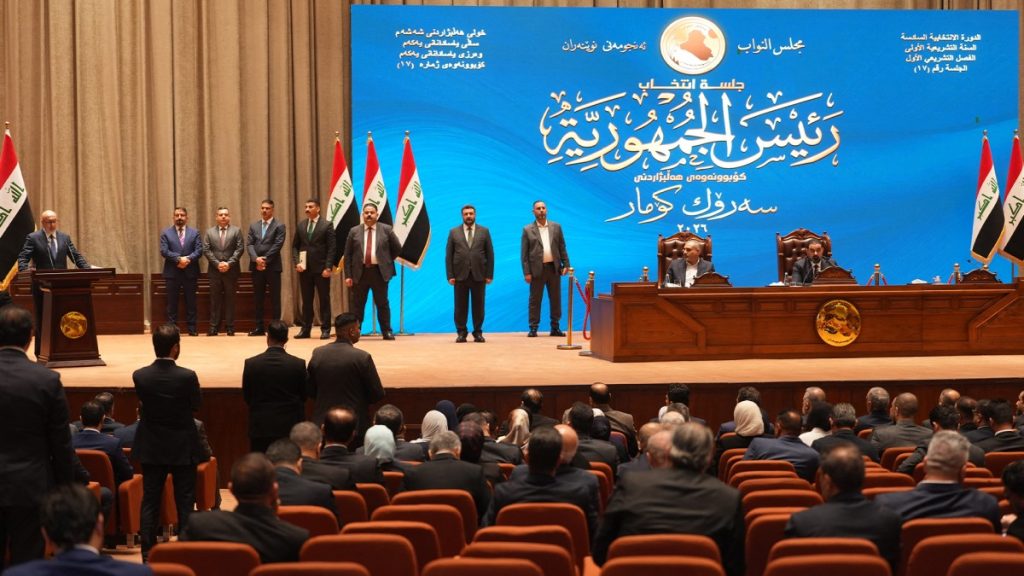
Lawmakers have elected Kurdish politician Nizar Amedi, a former environment minister, as the country’s new president.
It’s a largely ceremonial role—but don’t be fooled by the title.
In Iraq’s delicate power-sharing system, every appointment carries political weight.
Amedi, 58, also previously led the Patriotic Union of Kurdistan’s Baghdad office, making him a familiar figure in the country’s complex political landscape.
His election now clears the way for the next big decision: choosing a prime minister. And that’s where things get tense.
Iraq Power Struggle Deepens
Under Iraq’s sectarian system, the president is Kurdish, the parliamentary speaker Sunni, and the prime minister Shia.
And it’s the prime minister who actually wields real executive power.
Now, an Iran-backed bloc has nominated Nouri al-Maliki, a name that still divides opinion.
Washington, meanwhile, has made its position clear.
“We will reconsider support,” former US President Donald Trump warned earlier this year if certain candidates were chosen.
Analysts say Iraq is once again walking a diplomatic tightrope between the United States and Iran.
Two powerful allies with competing visions for the region.
So here’s the real question: in a system built on balance, what happens when the balance itself becomes the battleground?