Could diplomacy and threats coexist? The US and Iran are about to find out.
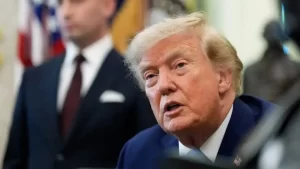
Talks are set for Friday in Oman, as President Trump fired a sharp warning at Supreme Leader Khamenei: “He should be very worried,” Trump told NBC.
After weeks of uncertainty over timing and location, the negotiations are back on track, thanks in part to pressure from Arab and Muslim allies.
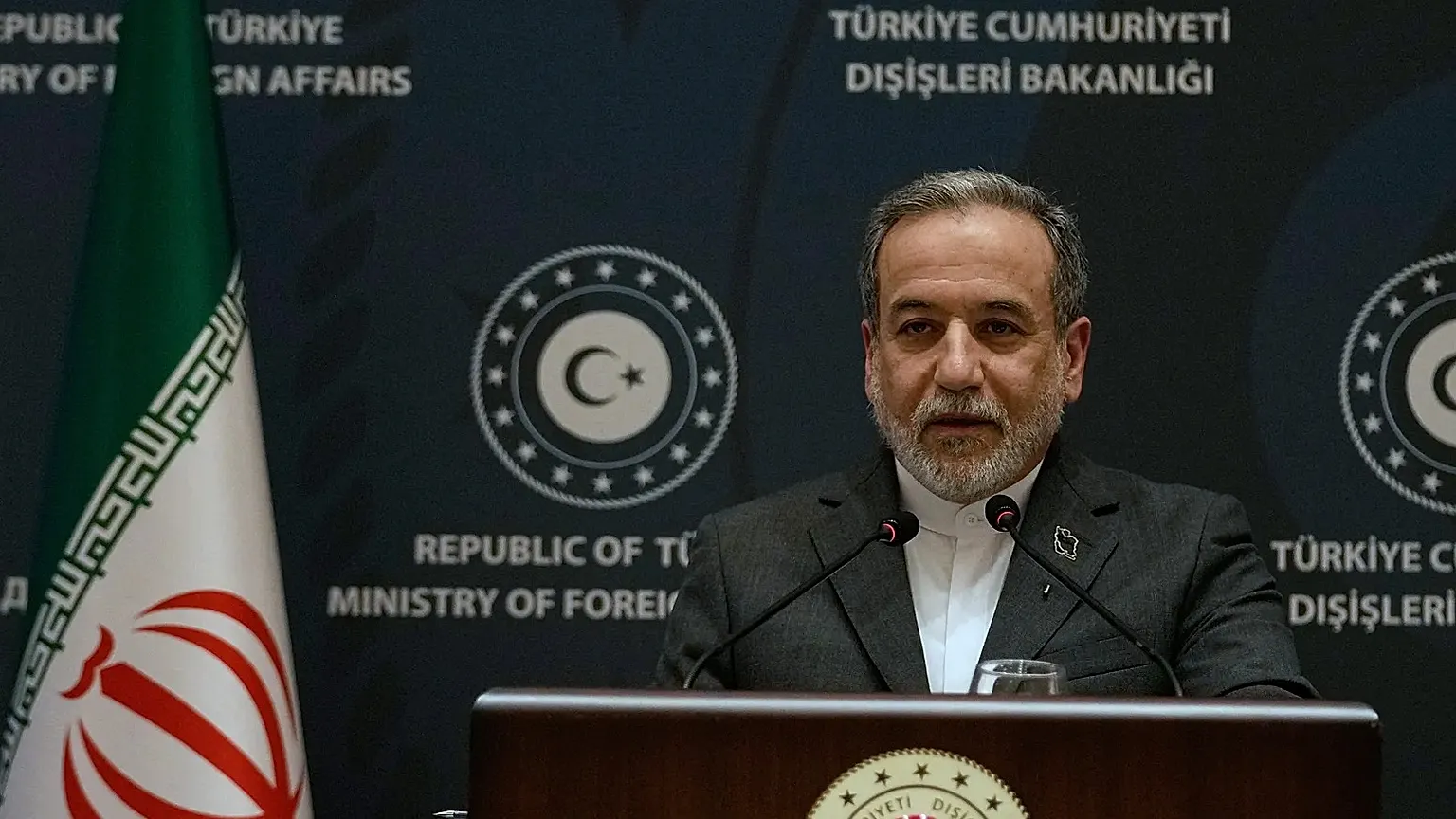
Iranian Foreign Minister Abbas Araghchi confirmed the meeting would kick off at 10:00 local time in Muscat, while US officials also confirmed the plan.
But these aren’t your usual nuclear talks.
Secretary of State Marco Rubio made it clear the discussions must go beyond Iran’s nuclear programme.
“They will have to include their ballistic missiles, sponsorship of terrorist organisations, the nuclear programme, and the treatment of their own people,” he said.
Iran-US Tensions
Iran insists its nuclear activities are peaceful, with Araghchi noting: “President Trump said, ‘no nuclear weapons,’ and we fully agree.
That could be a very good deal.” Meanwhile, Trump claims US strikes last year “obliterated” Iran’s enrichment capabilities.
He warns that new sites could spark severe retaliation.
All this unfolds amid a brutal crackdown on Iranian protests, with thousands reportedly killed.
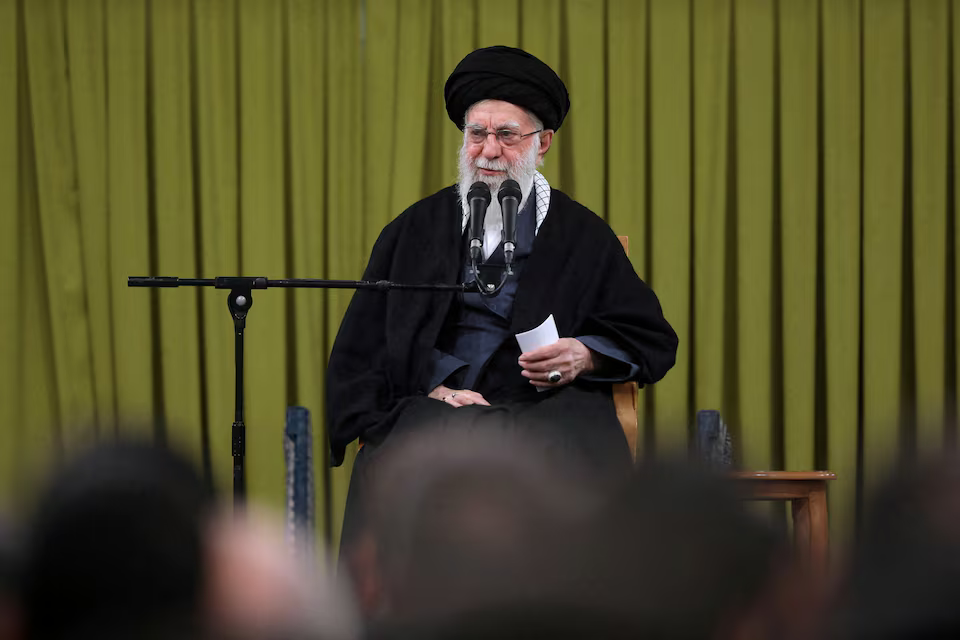
Khamenei blamed the US and Israel for fomenting unrest.
So, can these two rivals reach an agreement—or will threats and tension continue to dominate the headlines? Only Friday will tell.