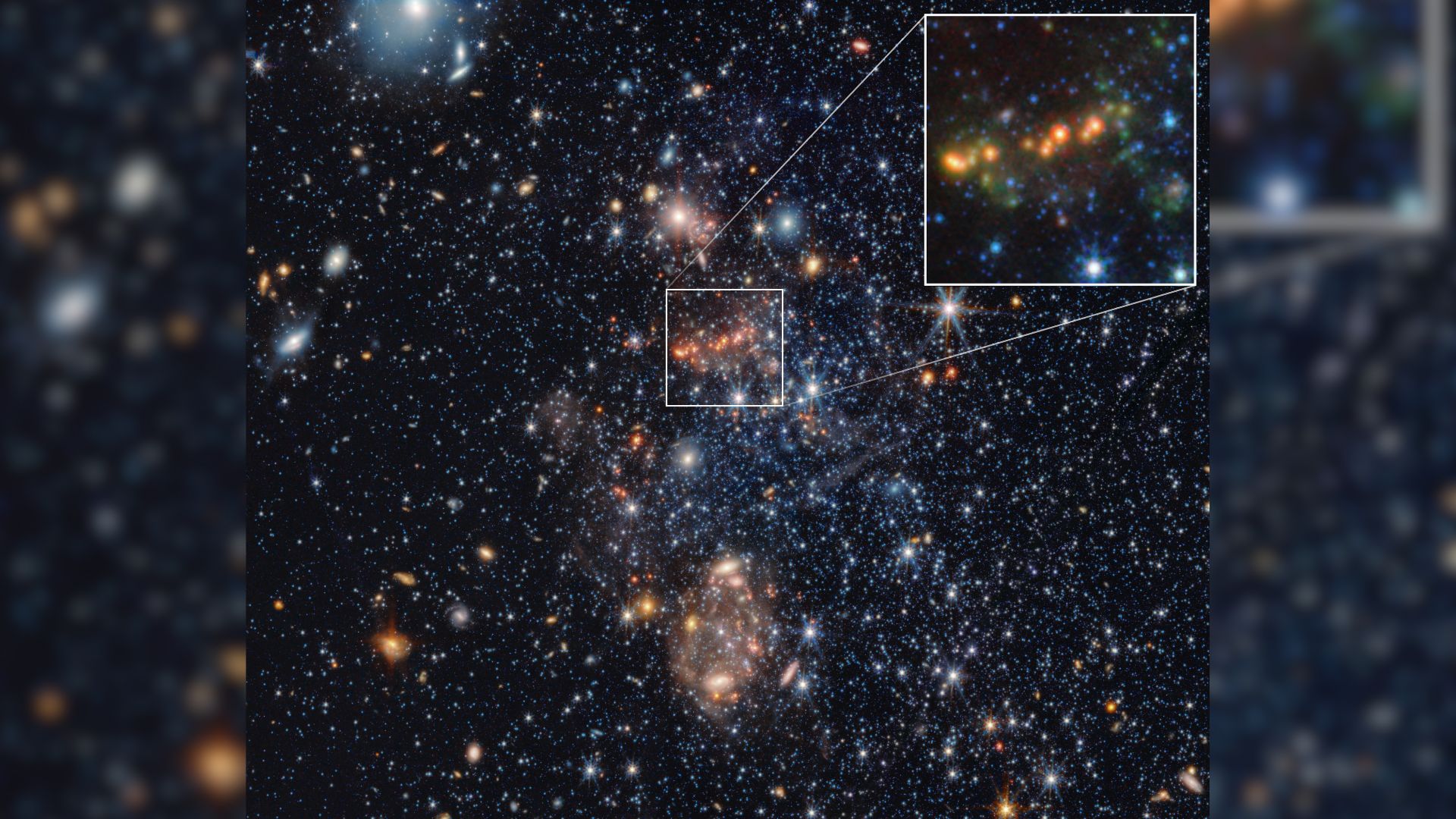
Dramatic Changes Observed In One of Universe’s Biggest Stars, Scientists Say
Some stars burn bright. Others burn wild. And then there’s WOH G64 — the cosmic equivalent of Jimi Hendrix. Massive, brilliant, unpredictable. Located in the

Some stars burn bright. Others burn wild. And then there’s WOH G64 — the cosmic equivalent of Jimi Hendrix. Massive, brilliant, unpredictable. Located in the
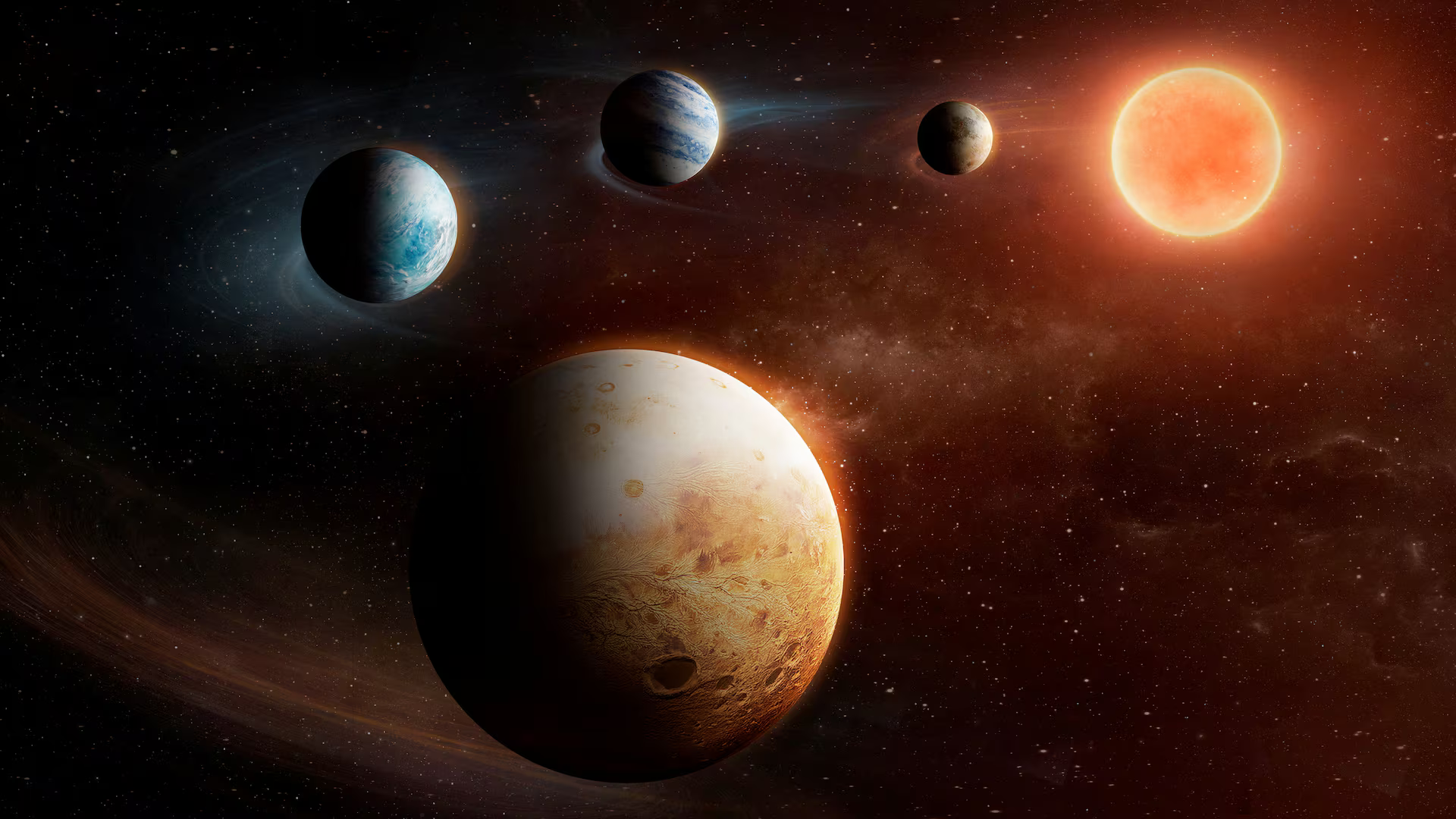
Imagine finding a planet that refuses to follow the cosmic “rules.” That’s exactly what astronomers have spotted 117 light-years away in a system orbiting a
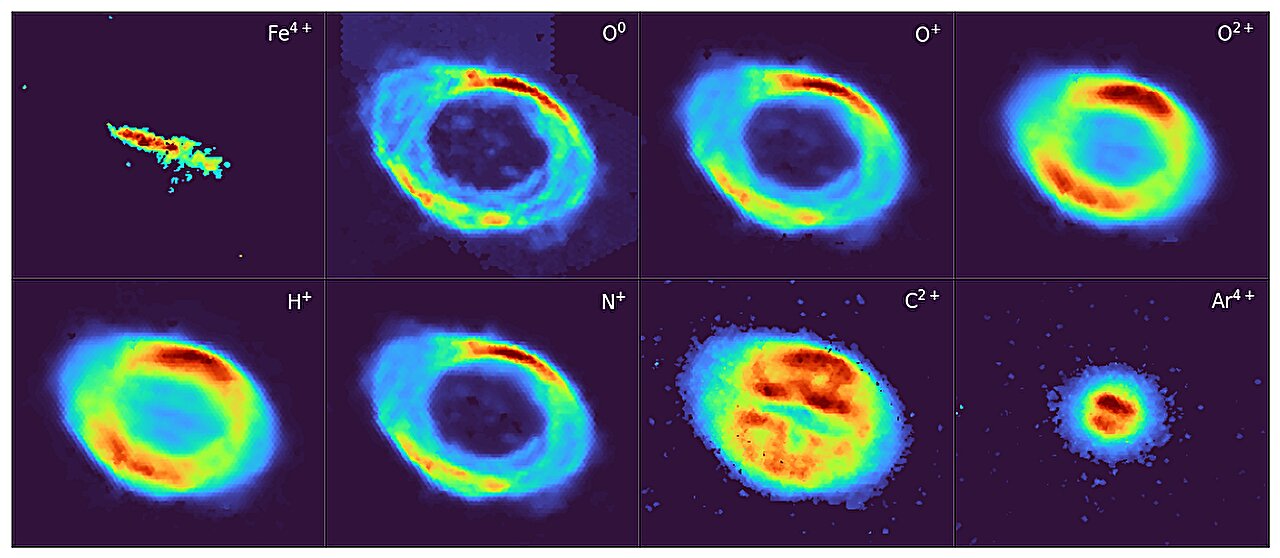
What if a familiar cosmic landmark still had secrets to hide? That’s exactly what astronomers discovered in the Ring Nebula, a glowing shell of gas
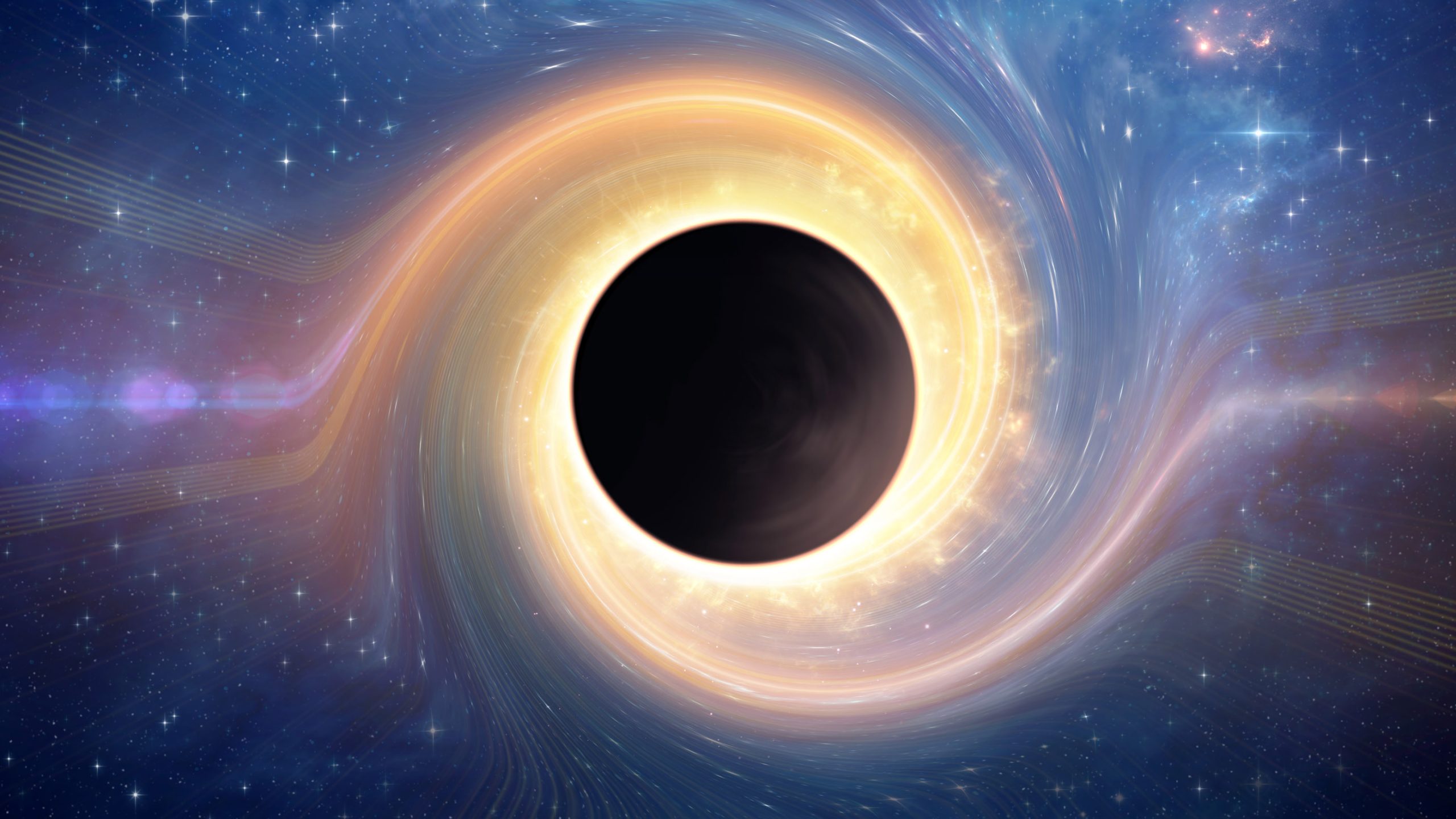
What happens when two invisible cosmic giants collide? They don’t just merge — they shake the very fabric of the universe. This January, scientists detected
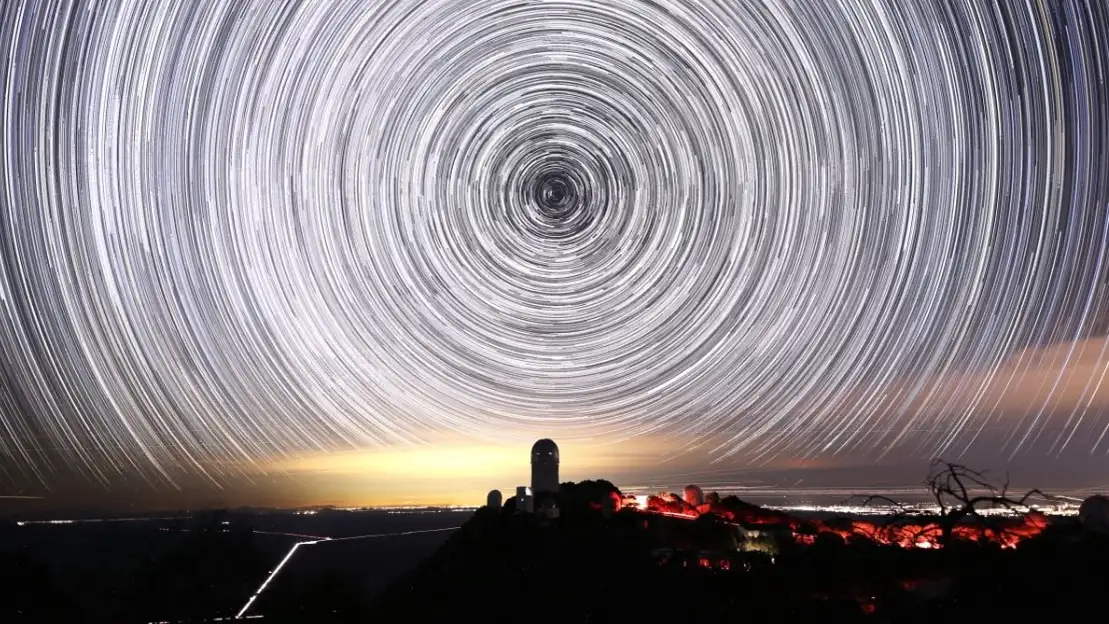
For decades, scientists believed dark energy—the mysterious force pushing the universe apart—was constant. But what if it’s fading? What if the cosmos isn’t destined for

For years, astronomers have been scratching their heads over a bizarre phenomenon—radio pulses flashing from deep within our galaxy, like a slow, steady cosmic heartbeat.
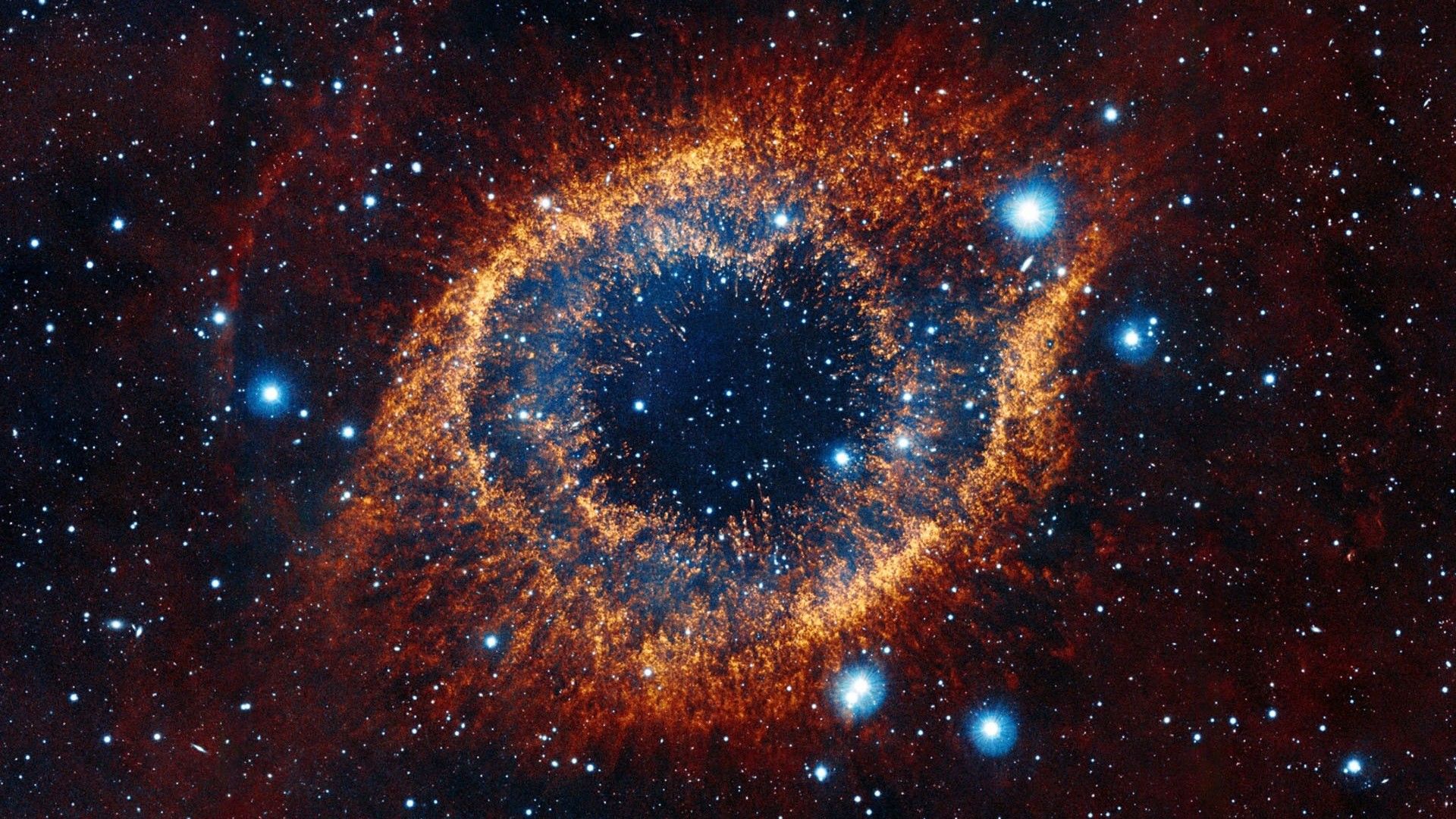
If you’ve been following the astronomy community on the internet you’ve likely come across a story about the James Webb Space Telescope’s latest find: The “oldest galaxy we’ve ever seen”. Yes, just a week after its first images were shown to the world, the James Webb Space Telescope may have found a galaxy that existed 13.5 billion years ago, a scientist who analyzed the data said Wednesday.