

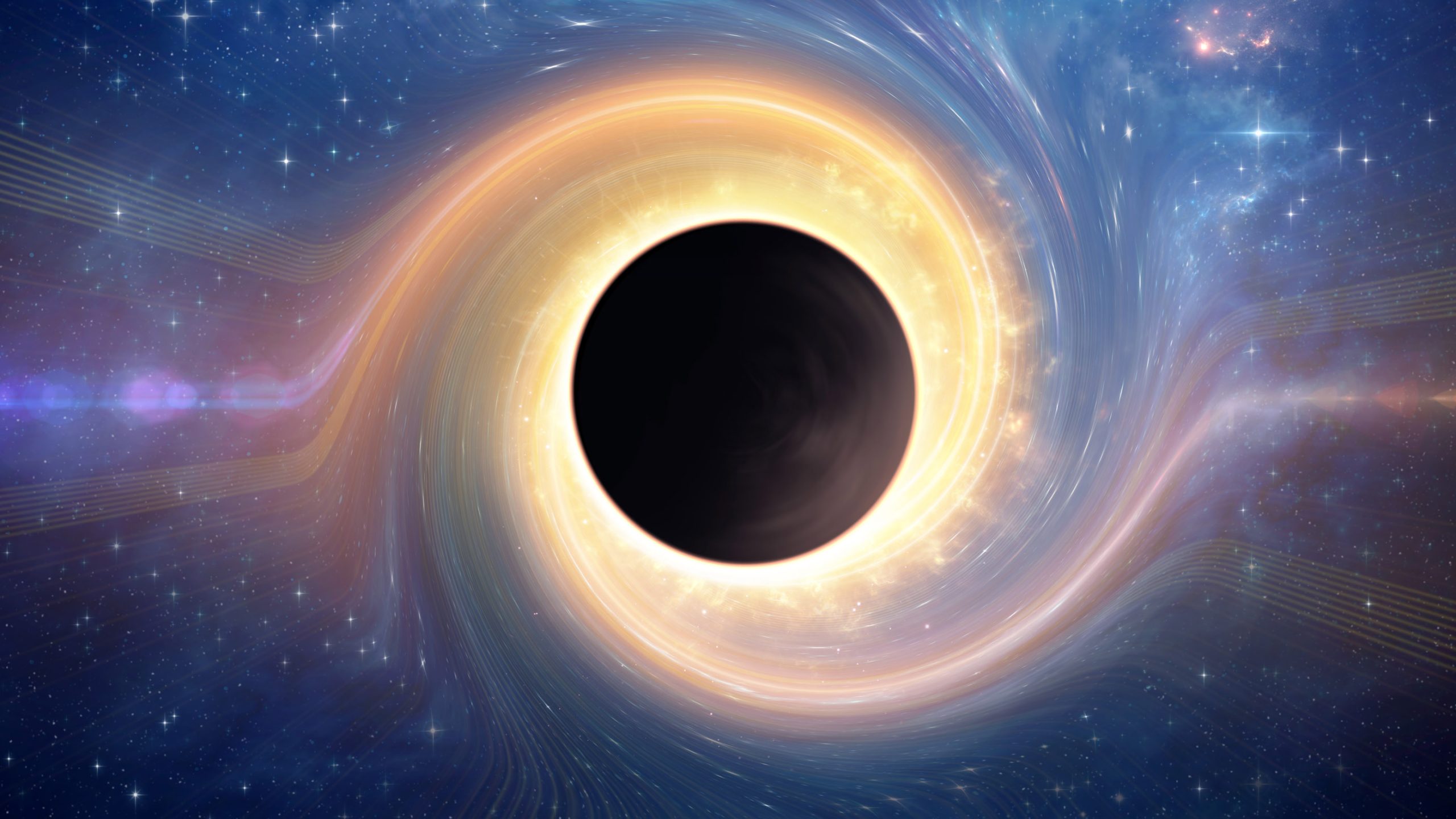
What happens when two invisible cosmic giants collide?
They don’t just merge — they shake the very fabric of the universe.
This January, scientists detected their “loudest” gravitational wave signal yet.
It was a ripple in spacetime so clear it helped prove Stephen Hawking right, more than 50 years after his prediction.
Gravitational waves — first forecast by Einstein in 1916 and finally detected by LIGO in 2015 — are now spotted routinely.
The global LVK collaboration logs a new black hole merger roughly every three days.
But this latest event? “It was like a whisper becoming a shout,” said Geraint Pratten of the University of Birmingham.
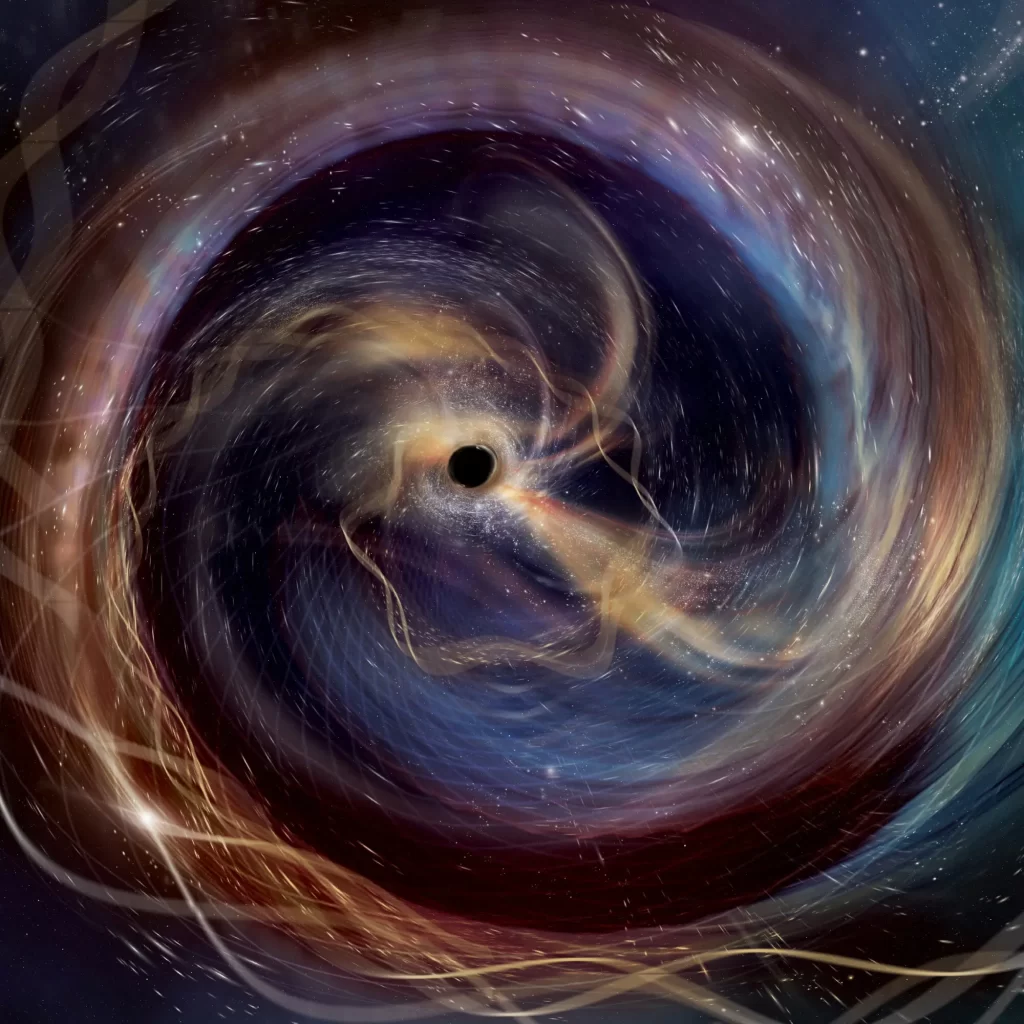
Why The Excitement?
The improved sensitivity of detectors allowed scientists to confirm Hawking’s 1971 theory that a black hole’s event horizon can’t shrink.
In simple terms, two black holes collide, and the new one must be at least as big — or bigger — than the originals.
In this case, the combined surface area jumped from the size of the UK to the size of Sweden.
During the so-called “ringdown phase,” the mega–black hole literally “rang like a struck bell,” just as Einstein predicted.
And each tone it gave off let scientists measure its size with unprecedented precision — proof the universe still keeps its best secrets in plain sight.