

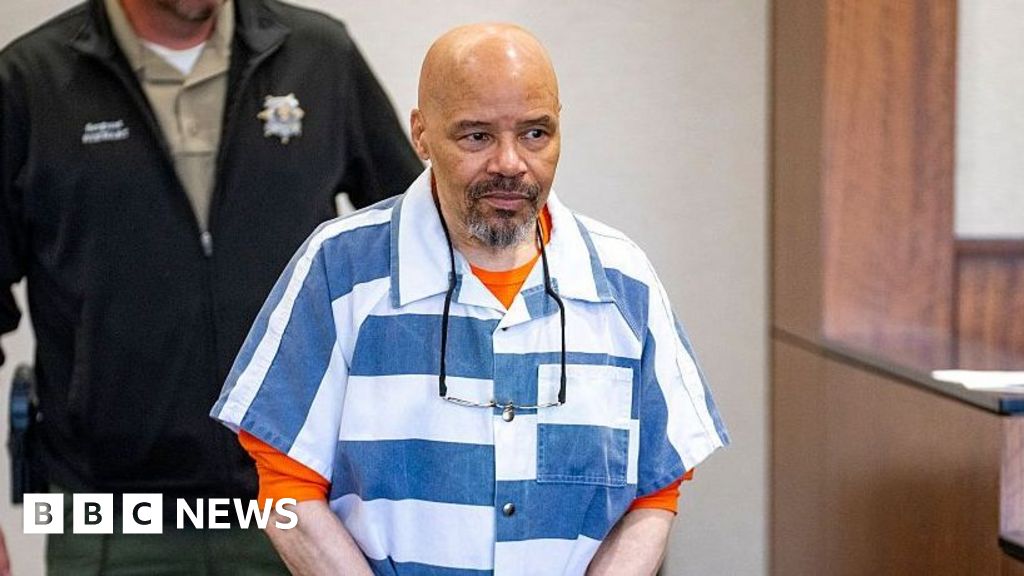
After 41 years on death row, a Utah man has been released on bail.
New DNA testing found no genetic link between him and the 1985 murder for which he was convicted.
Douglas Stewart Carter, now 71, was sentenced to death for killing Eva Olesen in Provo, Utah.
He has always maintained his innocence, saying a confession he signed during police questioning was coerced.
Carter’s conviction rested heavily on that confession and testimony from two witnesses.
But those witnesses later claimed police had pressured them, offered money and gifts, and threatened them with deportation if they refused to testify.
Last year, Utah’s Supreme Court ordered a new trial, citing investigative misconduct.
Now prosecutors say DNA recovered from blood on a doorknob and material on the murder weapon’s handle excludes Carter as a possible match.
DNA Evidence Raises Doubts
So after four decades behind bars, what happens when the evidence starts pointing elsewhere?
A judge released Carter on bail despite objections from Olesen’s family.
He must wear a GPS monitor while awaiting further proceedings.
The victim’s family remains unconvinced. Theresa Olesen said the DNA results did not prove Carter was never at the scene.
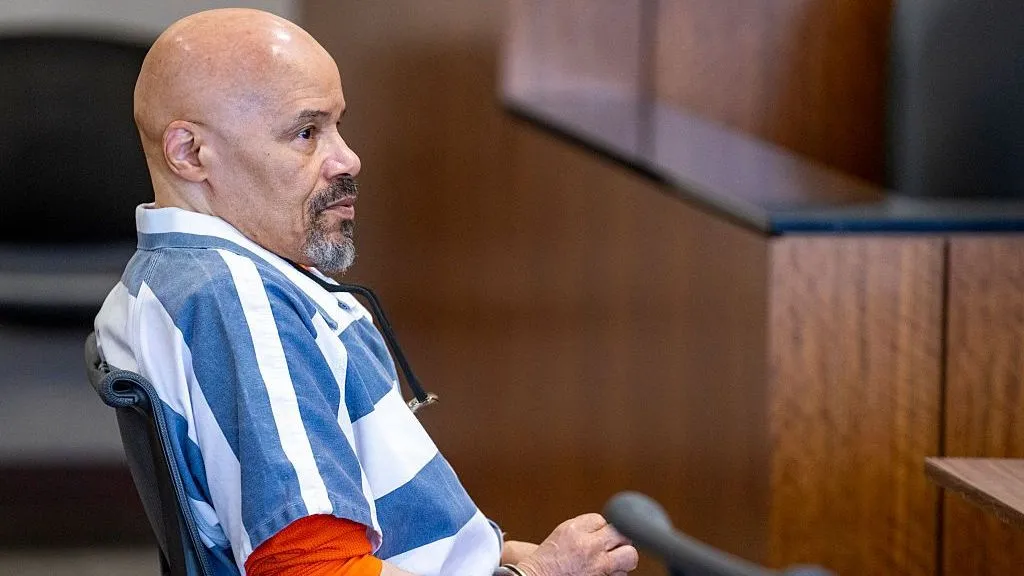
His lawyer, Neal Hamilton, has called for the case to be dismissed.
He argued Carter could have been executed years ago if the alleged misconduct had not been uncovered.
After 41 years, the question is no longer simply who was convicted but whether the right man was ever found.