

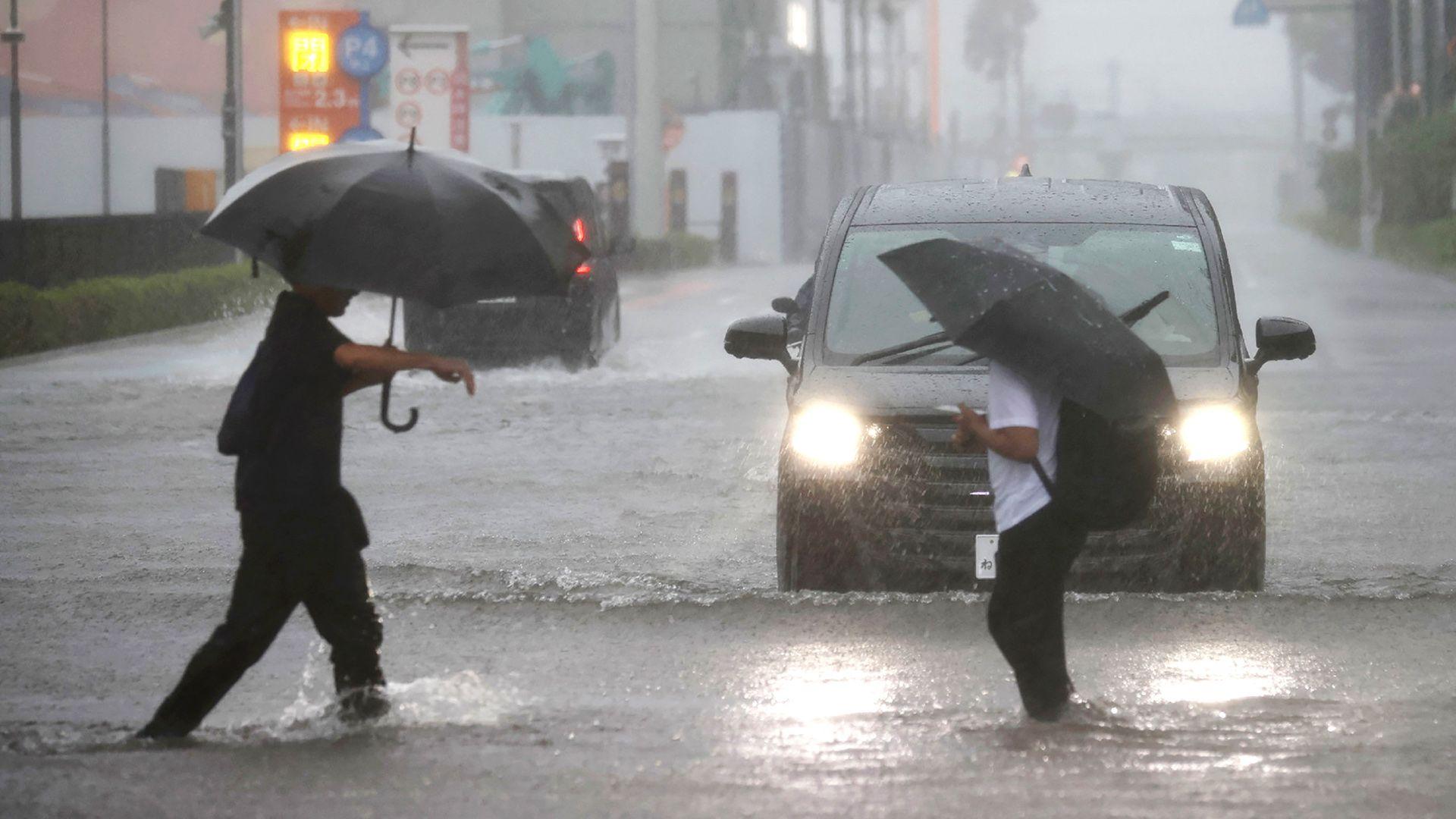
Nearly two million people in Japan have been ordered to evacuate.
Typhoon Dujuan sweeps across several prefectures, bringing powerful winds, heavy rain and landslide risks.
The Japan Meteorological Agency had warned of an “imminent threat to life”.
Some alerts have since been lowered, but the highest danger warning remains in Oshima Town.
With winds reaching 130km/h and gusts of up to 194km/h, the storm has already disrupted daily life.
More than 50,000 people lost power, while hundreds of flights were cancelled and rail services suspended.
But how serious is the danger?Firefighters have reported several incidents linked to landslides.
These include a woman feared trapped beneath debris and a worker rescued after falling into a bamboo thicket.
Typhoon Disrupts Japan
The typhoon has also disrupted Japan’s holiday period, forcing events including concerts and a major gaming convention to cancel programmes.
Japan’s Prime Minister Sanae Takaichi has reportedly delayed a US trip to monitor the situation.
Scientists say warmer oceans can make typhoons that form more intense by providing additional energy and moisture.
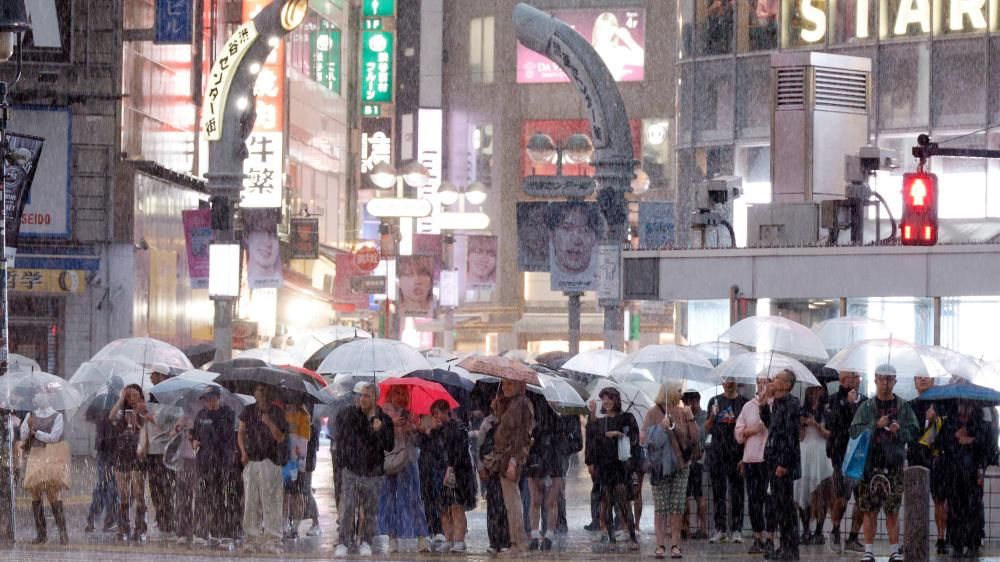
This year’s “super El Niño” may also be influencing storm patterns.
Dujuan is continuing north along Japan’s Pacific coast.
And with authorities warning that the full damage may not be clear until Tuesday, the storm’s final chapter is still unfolding.