

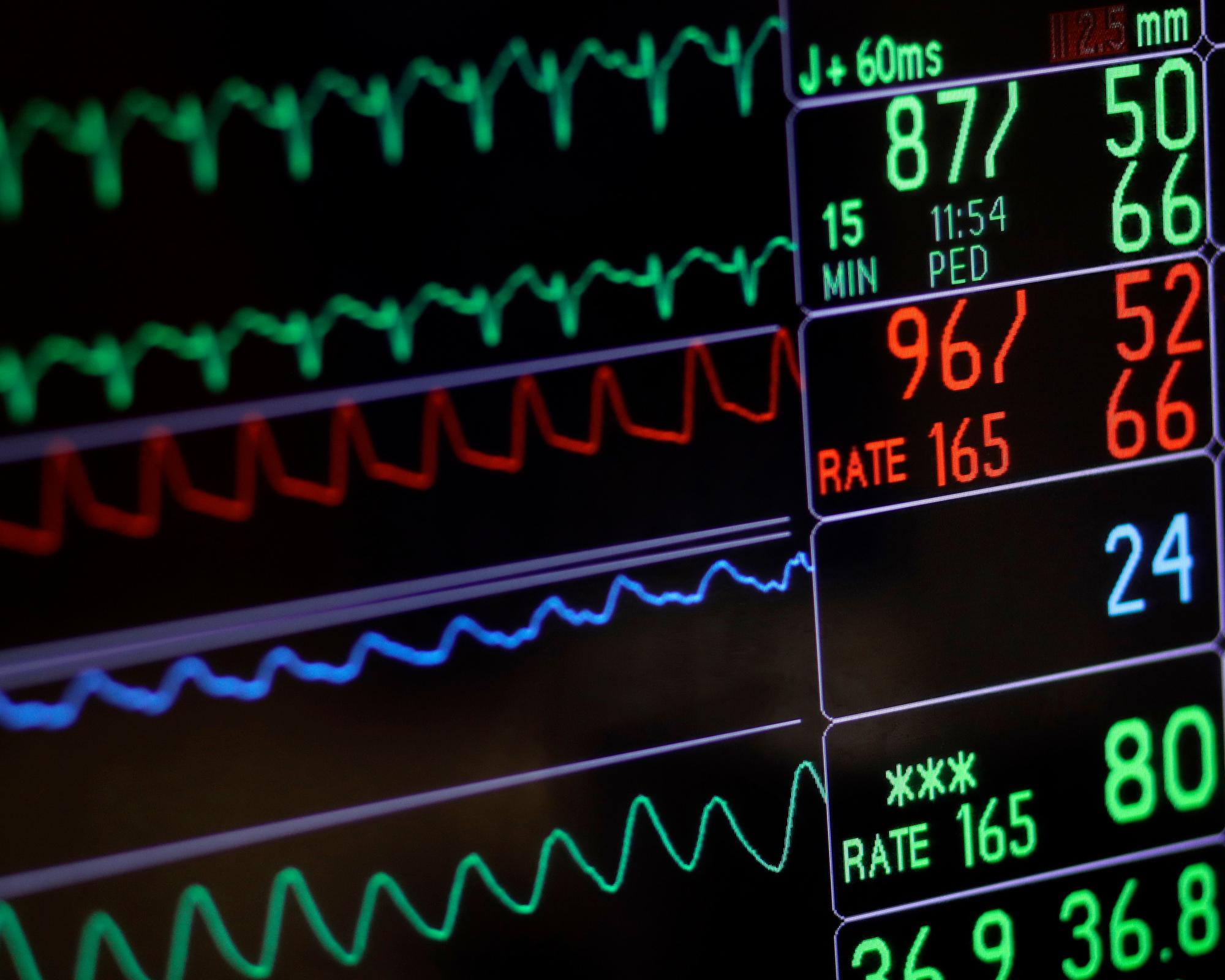
People living with severe mental illness are nearly five times more likely to die before 75.
This is compared with the wider population, according to an analysis of NHS data.
The research by Rethink Mental Illness found that people receiving specialist mental health care die, on average, 15 to 20 years earlier.
Many deaths are linked to physical illnesses that can potentially be prevented or treated.
The differences are striking. Those with severe mental illness were 6.3 times more likely to die from liver disease and six times more likely from respiratory disease.
They were also 3.8 times more likely to die from cardiovascular disease and 2.3 times more likely from cancer.
Why Such A Large Gap?
Researchers point to poverty, smoking, poor housing, inactivity, medication-related weight gain and fragmented healthcare.
They also highlight “diagnostic overshadowing” when physical symptoms are mistakenly blamed on someone’s mental illness.
Rethink chief executive Mark Winstanley called the situation “a scandal”.
He argued that healthcare services are missing opportunities to detect physical illnesses early.
Royal College of Psychiatrists president Prof Subodh Dave said severe mental illness “shouldn’t be an early death sentence”.
The government says it is developing more integrated services and opening 100 community mental health centres.
The numbers raise a difficult question: if many of these deaths are preventable, why are so many still happening?