

What if the key to understanding how life began is hiding on one of Mars’ tiny moons?
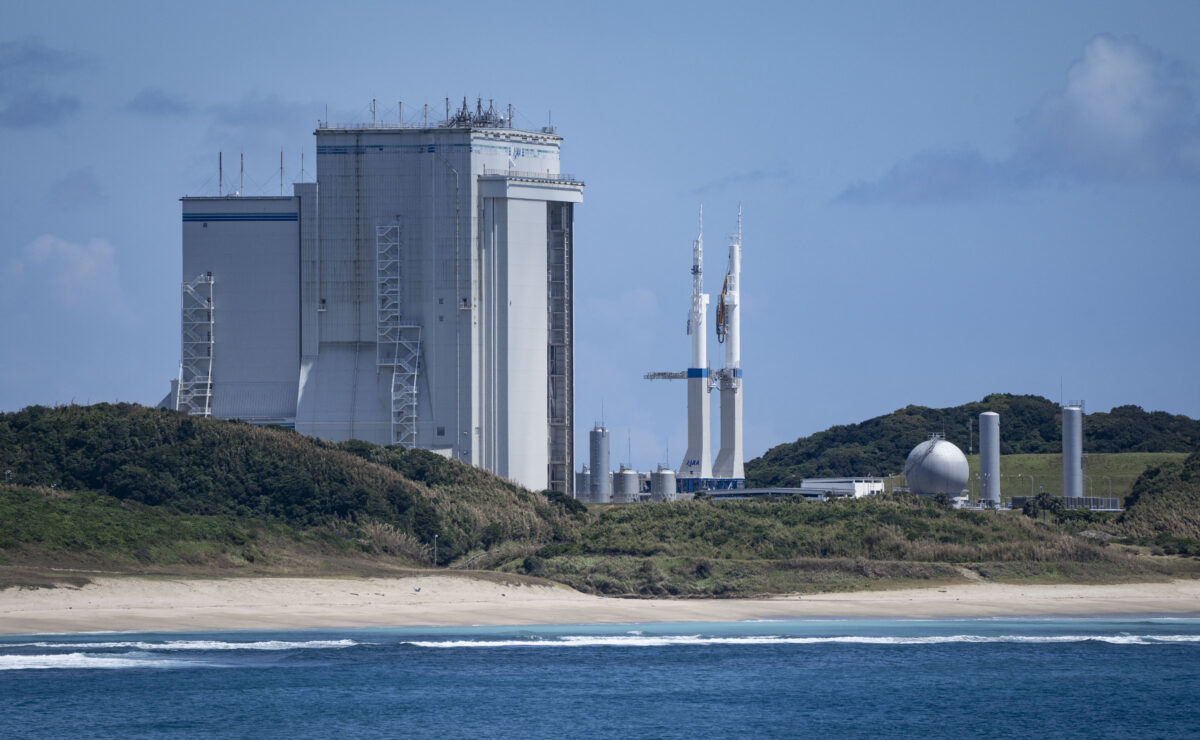
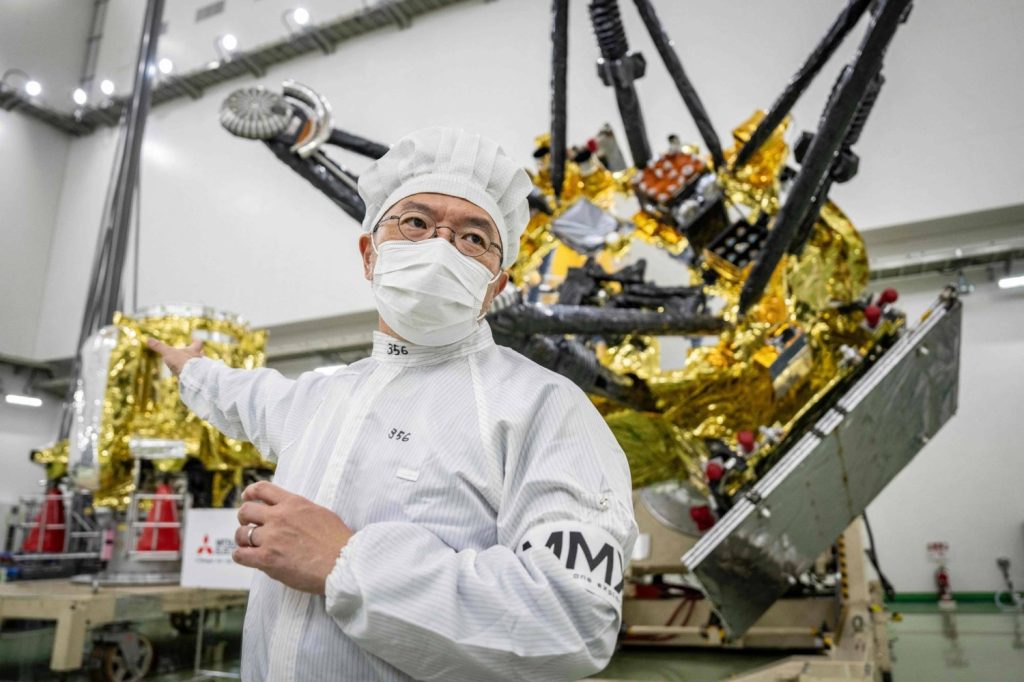
Japan is preparing to find out. Its Martian Moons eXploration (MMX) mission is due to launch soon, with the spacecraft planning to orbit Mars for about three years.
Before landing on Phobos and collecting at least 10 grams of material.
It will also study Deimos before sending the precious samples back to Earth around 2031.
Why Phobos? Scientists still debate whether Mars’ moons formed from a massive collision with Mars or were captured asteroids.
Solving that puzzle could reveal how water and organic materials reached the rocky planets — and perhaps how Earth became habitable.
Mission To Return Mars Samples
French astrophysicist Patrick Michel says the moons could preserve clues about the “transport of the materials” that helped life emerge.
The mission is also a technological test for future human exploration, with JAXA considering Phobos as a potential “natural space station”.
But Japan has competition. China plans to launch Tianwen-3 around 2028 and could return Martian samples by 2031.
With NASA’s own sample-return plans facing uncertainty, the race is heating up.
The prize? Not just rocks but potentially a clearer answer to how our cosmic neighbourhood, and perhaps life itself, began.