
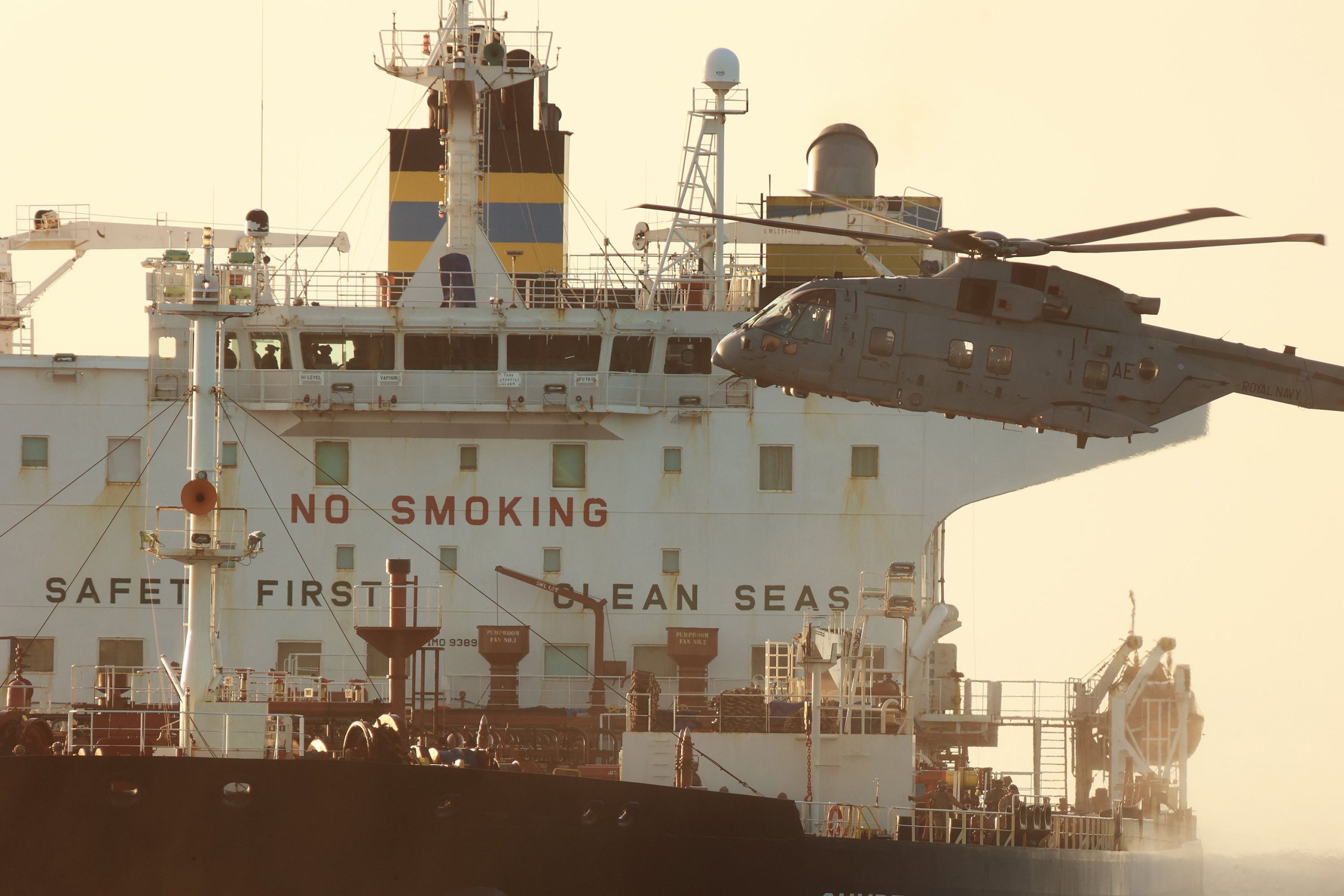
A tanker slipping through the English Channel, a night-time boarding, and commandos fast-roping from helicopters — sounds like a film, right?
But this was a real UK military operation targeting Russia’s so-called “shadow fleet.”
British forces intercepted a sanctioned Russian-linked oil tanker in a six-hour mission the defence ministry described as the first UK-led operation of its kind.
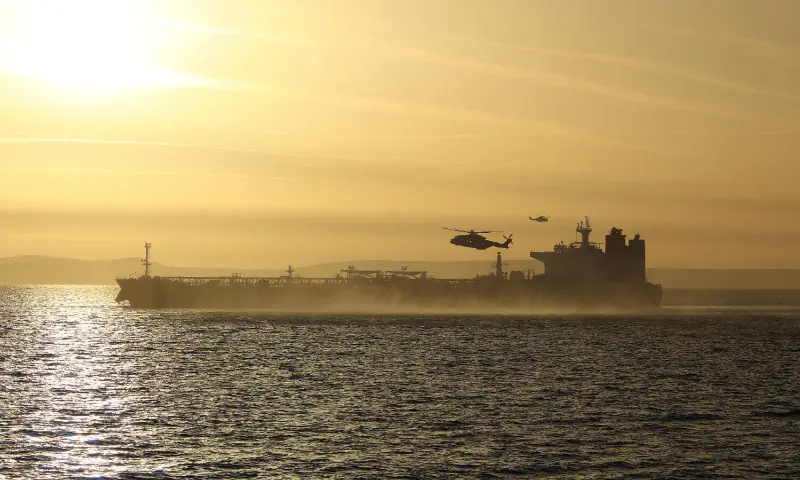
Royal Marine commandos, backed by helicopters including Chinook, Merlin Mk4 and Wildcat .
Boarded the vessel under cover of darkness, supported by naval ships such as HMS Sutherland and HMS Ledbury.
What’s The Bigger Picture Here?
The tanker is believed to be part of a network Russia uses to bypass Western sanctions.
It’s to keep oil revenues flowing despite restrictions imposed after the Ukraine invasion.
Kyiv didn’t hold back in its reaction. Ukrainian Foreign Minister Andriy Sybiga called it a direct hit on Russia’s war funding.
Saying: “Every such vessel stopped means less money for Russia’s war machine.”
UK officials echoed that message. Defence Minister Dan Jarvis said the operation was carried out with France.
Aimed at disrupting what he called Russia’s ability to finance “missile and drone attacks.”
Prime Minister Keir Starmer framed it as a clear warning: those fuelling the war “cannot hide.”
Security analysts say this is part of a wider “hybrid war” — not just tanks and trenches, but sanctions, sabotage fears, and contested seas.
With tensions rising in the Baltic and NATO waters, one question lingers.
If the battlefield is expanding into the oceans and supply chains, where does it end?