

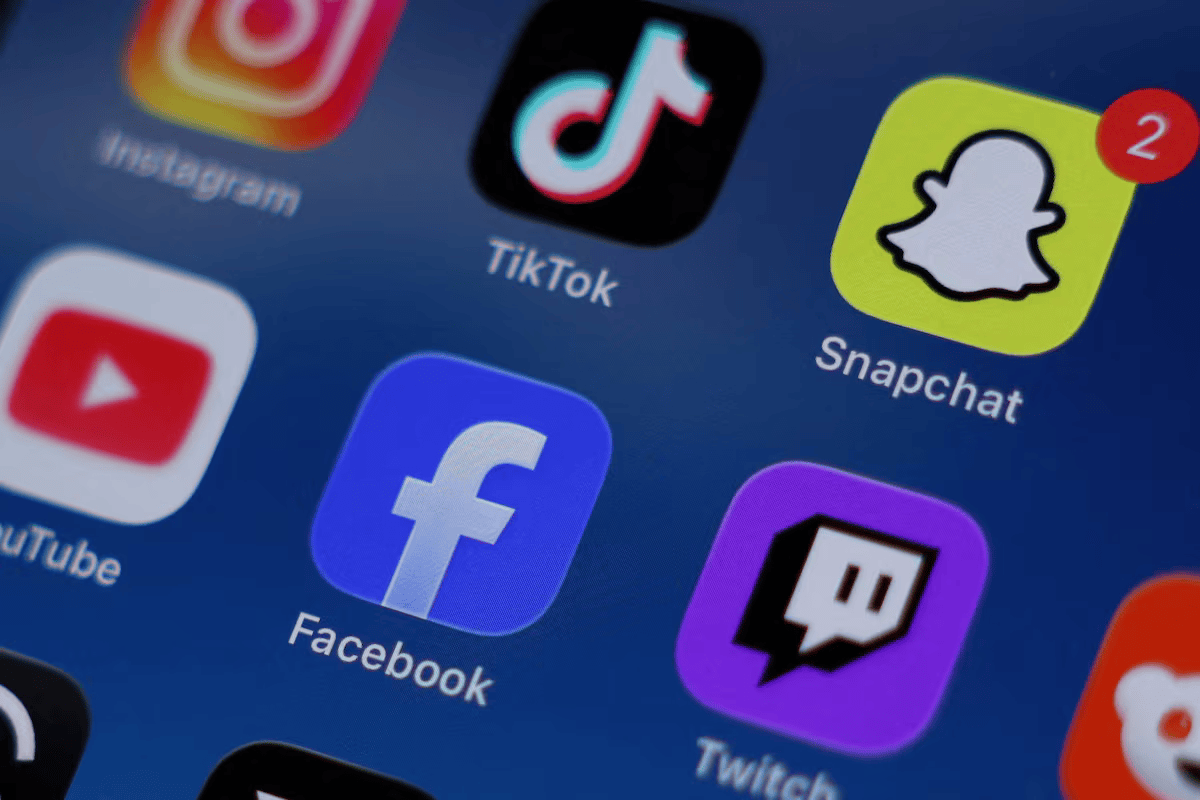
Should children under 16 be allowed on social media at all?
That’s the question Canada is now trying to answer with a sweeping new digital safety bill.
The proposed law would ban social media access for under-16s, unless platforms meet strict safety requirements.
It also goes further, targeting AI chatbots by setting up a new digital regulator to enforce safety standards across emerging technologies.
Officials say the move is driven by growing concerns over mental health.
“They are designed to capture attention,” said Canadian minister Marc Miller.
Warning that social media and AI tools can contribute to anxiety, isolation, and depression among young users.
“We want children to build friendships in the real world,” he added.
Social Media Ban Debate Expands
The penalties for companies could be severe — up to 3% of global revenue or C$10 million, whichever is higher.
That puts major tech firms like Meta, Google, Snapchat, and X under pressure to comply or risk massive fines.
So how strict is this compared to the rest of the world?
Canada is following Australia, which recently became the first country to enforce a similar under-16 restriction.
Europe is also moving in the same direction, with countries like France, Denmark, and Greece tightening youth access rules.

Technology expert Brett Caraway from the University of Toronto says Canada’s approach could go even further than Australia’s.
Making it one of the most comprehensive attempts yet.
And the bigger question remains: in an always-online world.
Can governments really draw a clear line between protection and freedom?