

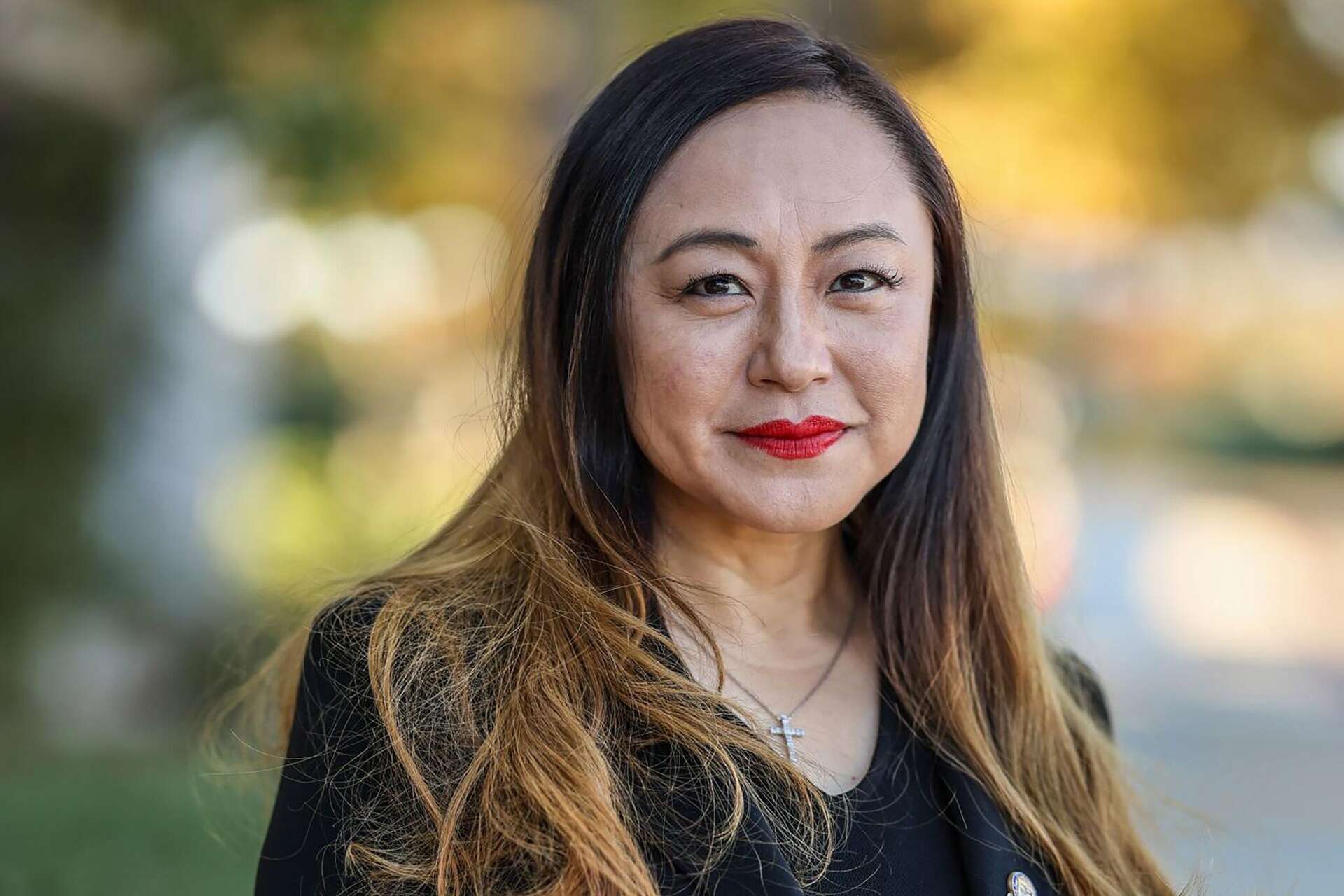
What happens when a local mayor in small-town America ends up accused of secretly working for a foreign government?
In Southern California, that question has suddenly become very real.
Eileen Wang, the mayor of Arcadia, has resigned after the US Department of Justice charged her with acting as an illegal agent for China.
The 58-year-old has agreed to plead guilty and could face up to 10 years in prison.
Federal prosecutors say Wang followed directions from Chinese officials.
Including sharing pro-Beijing articles online without properly registering with the US government.
One article reportedly defended China against allegations of forced labour in Xinjiang.
According to investigators, Wang worked with Yaoning “Mike” Sun through a Chinese-American news website called US News Center.
Foreign Influence Allegations
Prosecutors claim Chinese officials even sent her pre-written material through WeChat, which she later published.
The Justice Department framed the case as part of a wider effort to counter foreign influence.
“Individuals who covertly do the bidding of foreign governments undermine our democracy,” said federal prosecutor Bill Essayli.

Wang’s lawyers say she accepts responsibility for “personal mistakes” and insists her dedication to Arcadia never changed.
City officials stressed no public money or government decisions were compromised.
Still, the case leaves behind an uncomfortable question: in today’s digital world, where exactly does influence end — and foreign interference begin?