
Is the world inching closer to a military showdown in one of its most critical oil routes?
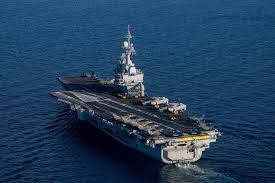
That’s the message France appears to be sending as its flagship aircraft carrier, the Charles de Gaulle, heads toward the southern Red Sea.
Officially, it’s a “defensive” move. Unofficially?
A clear warning that Europe is preparing for the possibility of reopening the blocked Strait of Hormuz by force if needed. And the stakes are enormous.
Nearly one-fifth of the world’s oil normally flows through that narrow corridor.
But shipping has nearly ground to a halt since tensions exploded in the Middle East earlier this year.
Global markets are rattled, energy prices remain volatile, and governments are growing impatient.
Diplomacy Or Deterrence?
French President Emmanuel Macron says all sides must “lift the blockade… without delay and without conditions.”
Alongside British Prime Minister Keir Starmer, he is pushing a multinational naval mission aimed at restoring safe passage.
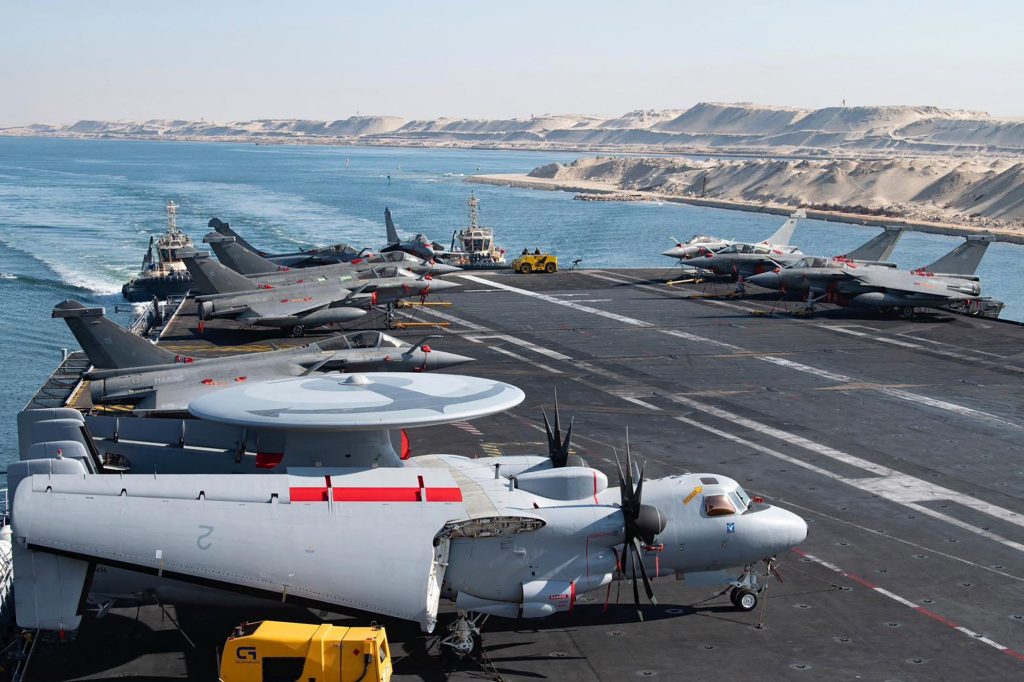
The timing feels deliberate. The carrier group—equipped with Rafale fighter jets and warships—isn’t just sailing; it’s positioning.
France is also trying diplomacy, urging both Washington and Tehran to separate the Hormuz crisis from the wider conflict.
But with warships moving closer and tensions still simmering, one question hangs over the Gulf:
Can diplomacy reopen the strait before military power does?