
When the ground itself starts warning you, do you wait—or do you move?
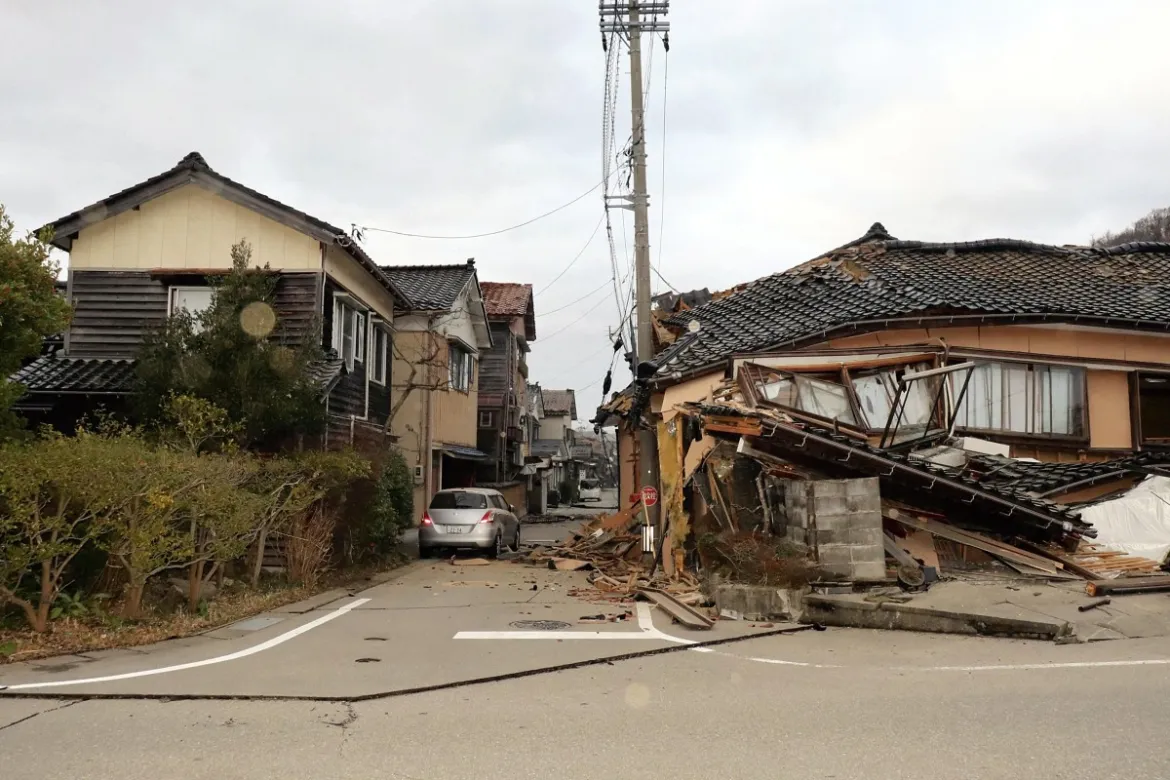
That’s the uneasy reality facing Japan after a powerful 7.7-magnitude earthquake struck offshore near Iwate Prefecture.
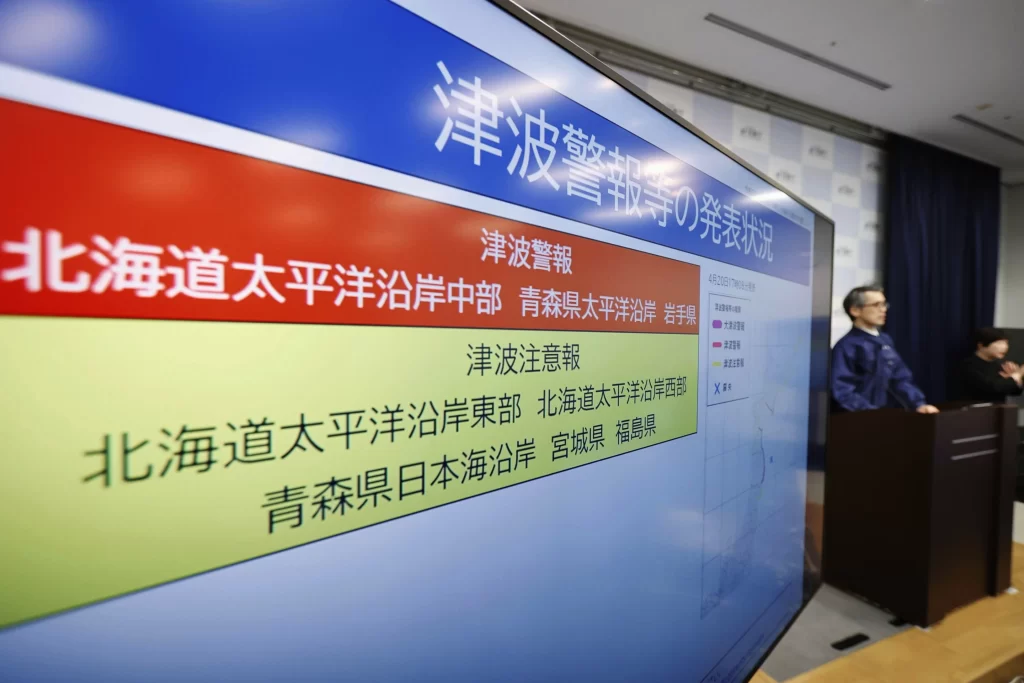
Shaking buildings hundreds of kilometers away in Tokyo and triggering a tsunami alert.
In response, the Japan Meteorological Agency issued something rare: a special advisory warning that the risk of a magnitude 8.0 or stronger quake is now “relatively higher than normal.”
Not a prediction—but a caution flag. A reminder that the earth may not be done yet.
Japan Quake Preparedness Tested
Within minutes of the quake, an 80-centimeter tsunami wave hit Kuji port, while more than 182,000 residents received evacuation guidance.
“Please review your earthquake preparedness measures,” officials urged, stressing that even a low probability event can’t be ignored when the stakes are this high.
So what does this really mean? Experts say it’s less about certainty and more about readiness.
Japan, sitting on one of the world’s most active fault lines, has learned the hard way that waiting for confirmation can be too late.
For now, the warning remains in place, with smaller tsunami risks still possible along the northeast coast.
And maybe the real question isn’t whether another big quake will come—but whether anyone can ever truly be ready when it does.