

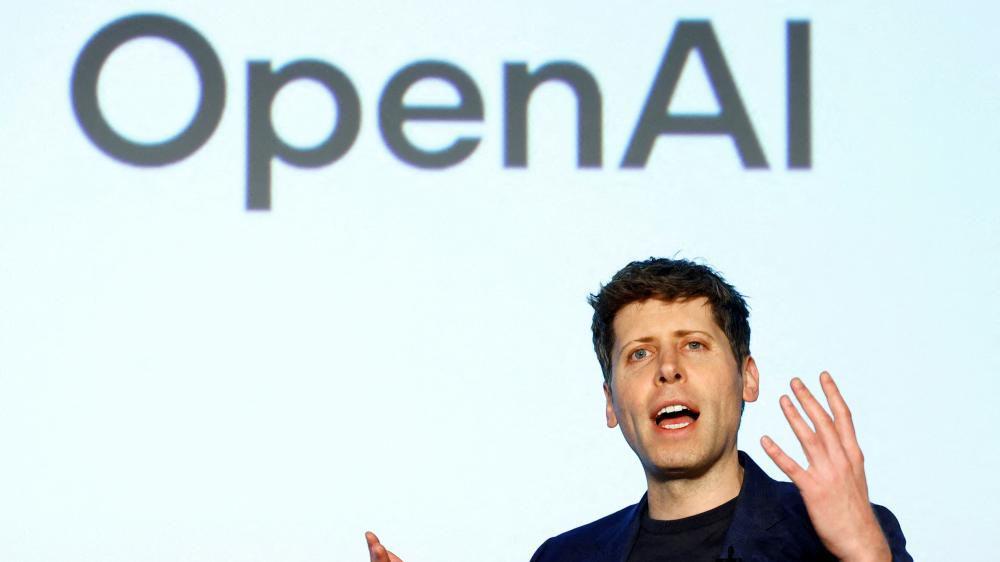
Can an AI chatbot be held responsible for real-world harm? Florida is about to test that question in court.
The state has become the first in the US to sue OpenAI over the design and safety of ChatGPT.
Accusing the company of putting profits ahead of public safety.
Florida Attorney General James Uthmeier alleges the chatbot can endanger children, encourage harmful behaviour, and even play a role in tragic crimes.
The lawsuit goes a step further by naming Sam Altman personally, claiming he showed “utter disregard” for potential risks linked to the technology.
The complaint cites several high-profile criminal cases, including a deadly shooting at Florida State University.
A double homicide involving a suspect who allegedly sought advice from ChatGPT.
AI Liability Debate Intensifies
OpenAI strongly disputes the allegations. The company says it has implemented “industry-leading protections” for young users.
Including age-detection systems and parental controls.
“We’re committed to getting this right,” a spokesperson said.
Legal experts say the case reflects a growing shift in how courts view technology companies.
Rather than focusing on user-generated content, lawsuits are increasingly targeting the design choices behind digital products.
The outcome could have consequences far beyond Florida.
As AI becomes more deeply woven into daily life, one question is growing louder: where does innovation end—and responsibility begin?