
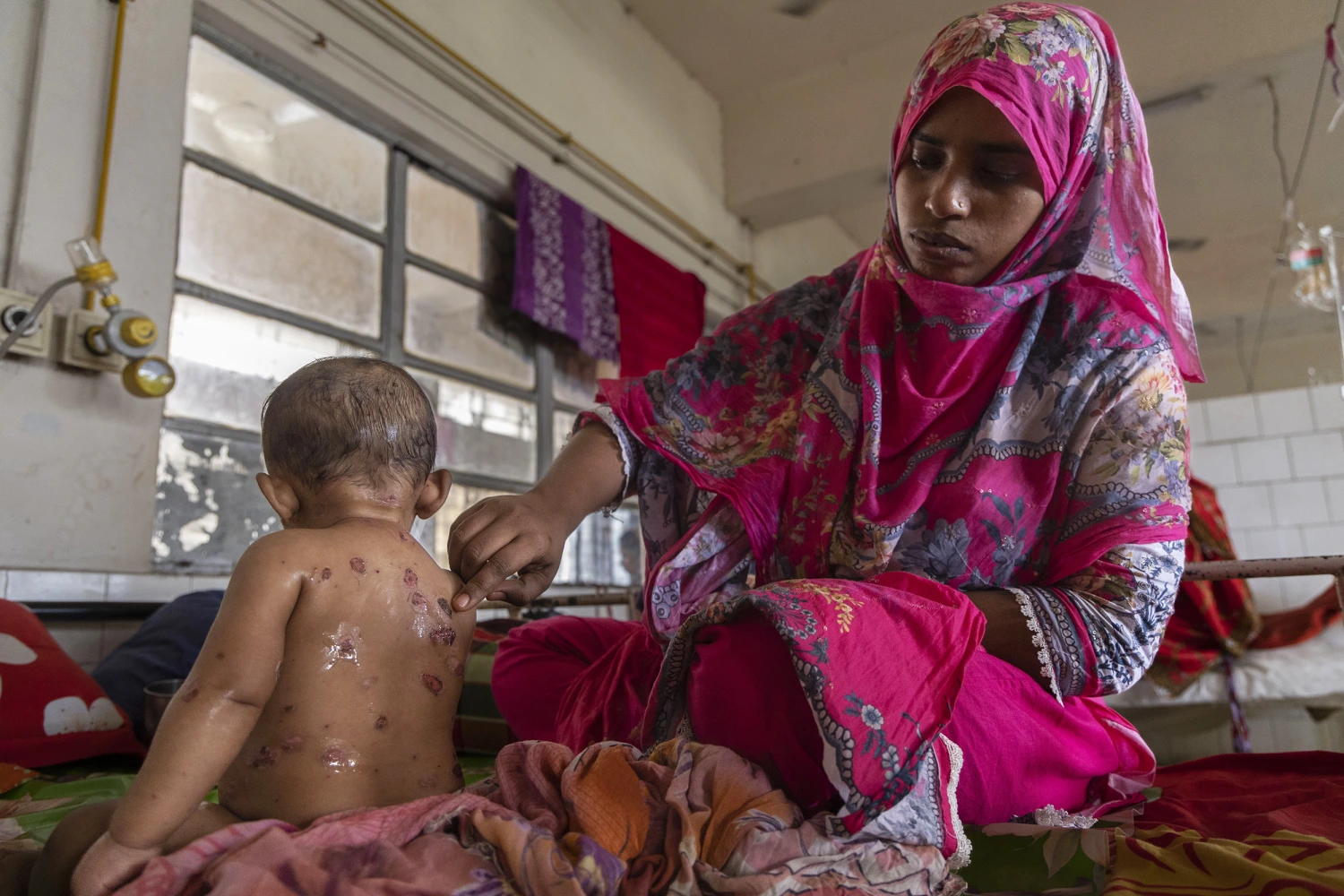
Bangladesh is facing a heartbreaking surge in measles cases, with at least 98 children reportedly dead in the past three weeks.
Why now, after years of progress in vaccinations?
Officials point to multiple factors, including a vaccine shortage and disruptions from past political unrest.
Prime Minister Tarique Rahman has sent senior ministers across the country to assess the situation and coordinate a response.
Health ministry data shows 6,476 children aged six months to five years showing suspected measles symptoms—a worrying jump from recent years.
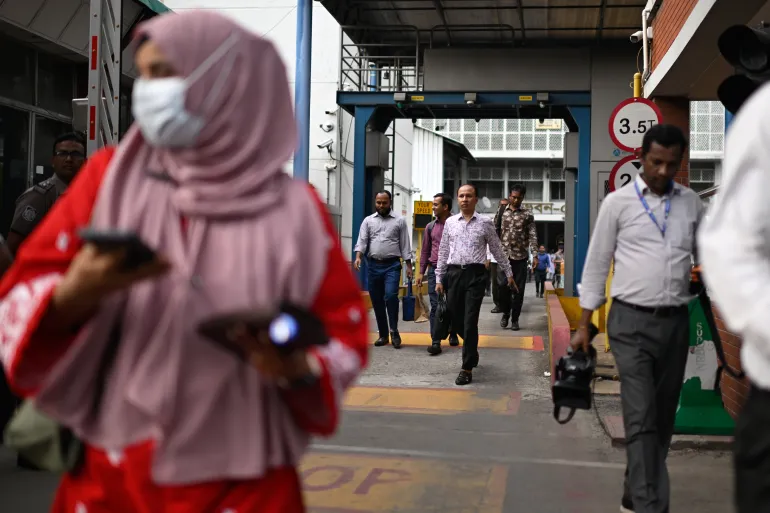
Halimur Rashid from the Communicable Disease Control told AFP, “Compared with past years, the number of affected children is higher, and the death toll is higher too.”
Confirmed cases stand at 826, with 16 recorded deaths—but experts warn the real numbers could be higher, as many children die before testing.
Bangladesh Measles Surge
Measles, one of the world’s most contagious diseases, spreads through coughs and sneezes and can cause severe complications like brain swelling and breathing problems.
Bangladesh’s vaccination programs had made strong progress.
But delays—like the 2024 measles drive postponed after a deadly uprising—have left gaps.
“We committed to reducing the number to zero by December 2025 but failed to achieve the target.
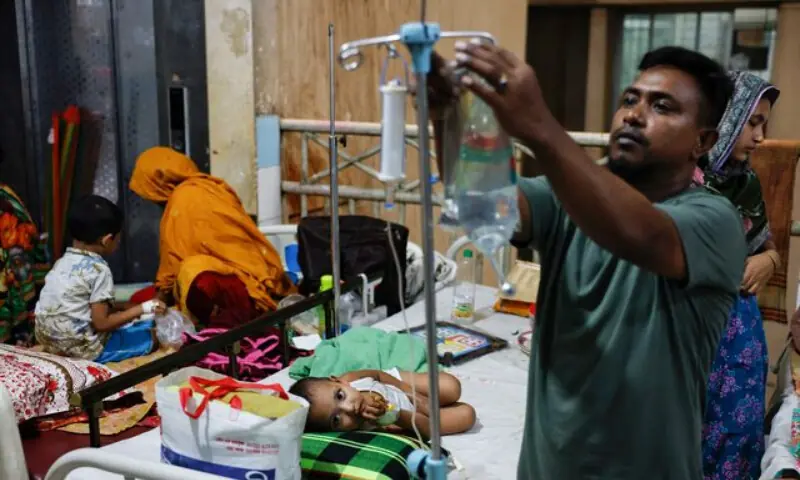
Due to poor vaccination programmes,” said Mahmudur Rahman, head of the National Verification Committee of Measles and Rubella.
Now, Dhaka has identified 30 hotspots and launched a targeted vaccination campaign.
As public health expert Tajul Islam A. Bari warned, “The situation is scary.”
With no specific treatment for measles, prevention is the only shield—will Bangladesh act fast enough to save its youngest citizens?