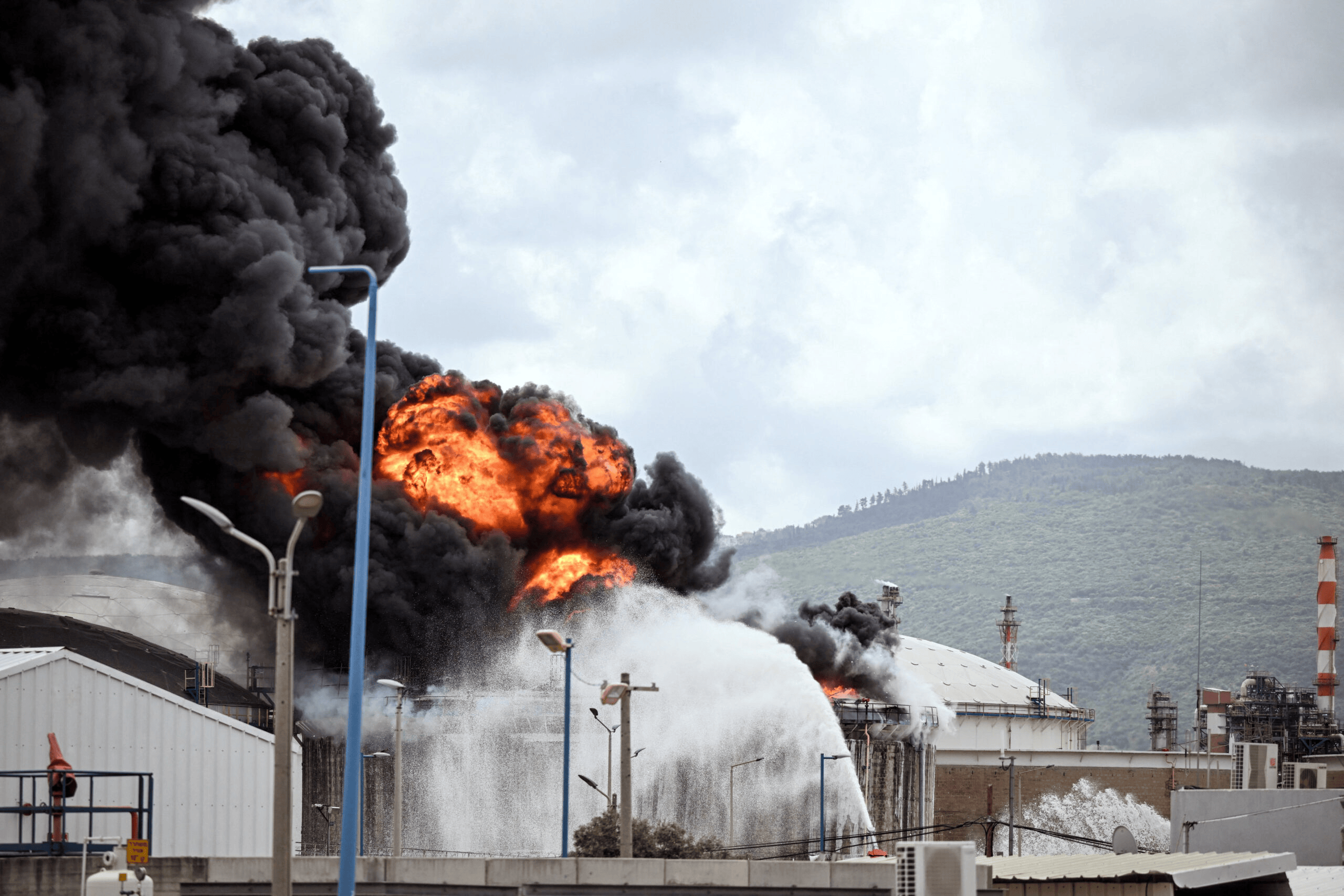
A crude oil tanker—carrying millions of barrels—was struck and set ablaze in the tense waters near the Strait of Hormuz.
The vessel, linked to Kuwait, suffered damage, though no injuries were reported.
Still, the message was loud: this conflict is no longer contained.
The attack is the latest escalation in the widening war between Iran, United States, and Israel.
Oil prices spiked instantly—because when a route carrying nearly 20% of the world’s energy is threatened, markets panic.
And then came the warning. Donald Trump doubled down, saying if Iran doesn’t reopen the strait, the U.S. could “obliterate” its oil and energy infrastructure.
Strategy Or Brinkmanship
Strong words—but are they strategy or brinkmanship?
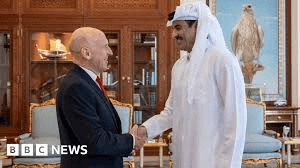
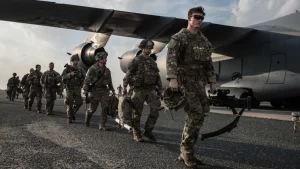
Behind the scenes, it’s even more complex. Troops are moving in. Talks are quietly happening.
“Public statements and private negotiations often tell different stories,” one insider noted—hinting diplomacy isn’t dead just yet.
Meanwhile, strikes hit Tehran and Beirut, widening the battlefield.
So here’s the real question: is this pressure building toward peace—or pushing the region closer to a breaking point?