
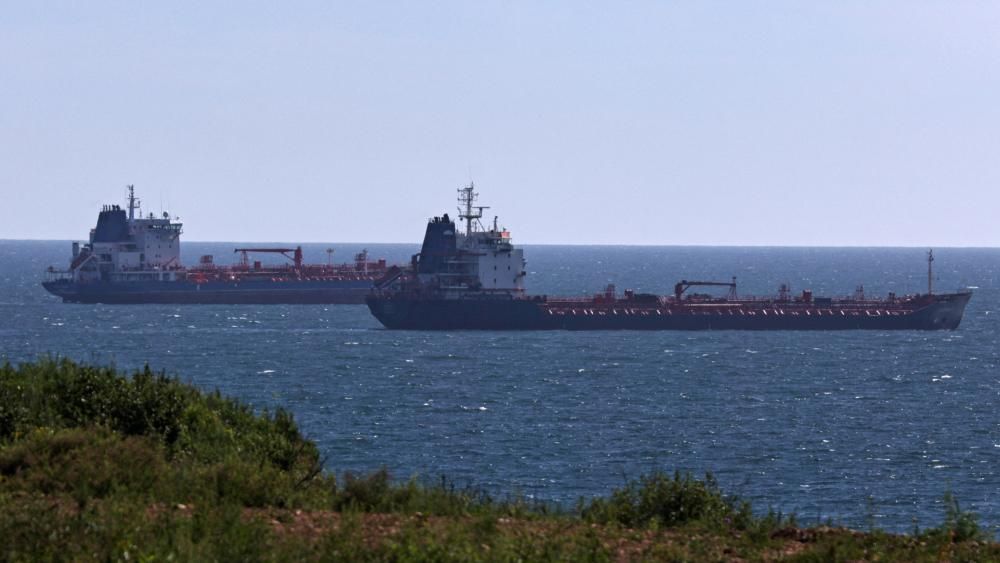
The US has temporarily eased sanctions on Russian oil already on ships at sea.
A move aimed at calming a global energy market shaken by the US‑Israel war with Iran.
But will it really help—or just pad Putin’s wallet?
Treasury Secretary Scott Bessent stressed the measure is “short-term” and meant to support market stability, not enrich Moscow.
Still, Russia’s economic envoy, Kirill Dmitriev, argued it’s proof the world “cannot remain stable without Russian oil.”
The timing couldn’t be worse. Attacks in the Gulf, blocked tankers in the Strait of Hormuz, and a new Iranian leader vowing to keep the waterway closed have sent oil past $100 a barrel.
Around a fifth of the world’s oil flows through that chokepoint, meaning stranded ships equal a growing supply crisis.
Sanctions Relief Backlash
Critics warn the move could embolden Russia. Former financier Bill Browder called it “a terrible decision that will enrich Putin and prolong the war in Ukraine.”
Ukrainian President Volodymyr Zelensky echoed the concern, calling it a “serious blow” that could help Russia buy more weapons.
Meanwhile, nations from Japan to the Philippines are capping fuel prices or cutting workweeks to cope.
Even with temporary waivers, the global energy game remains unpredictable.
So, the big question: will easing sanctions tame the market, or just stoke more geopolitical chaos?