
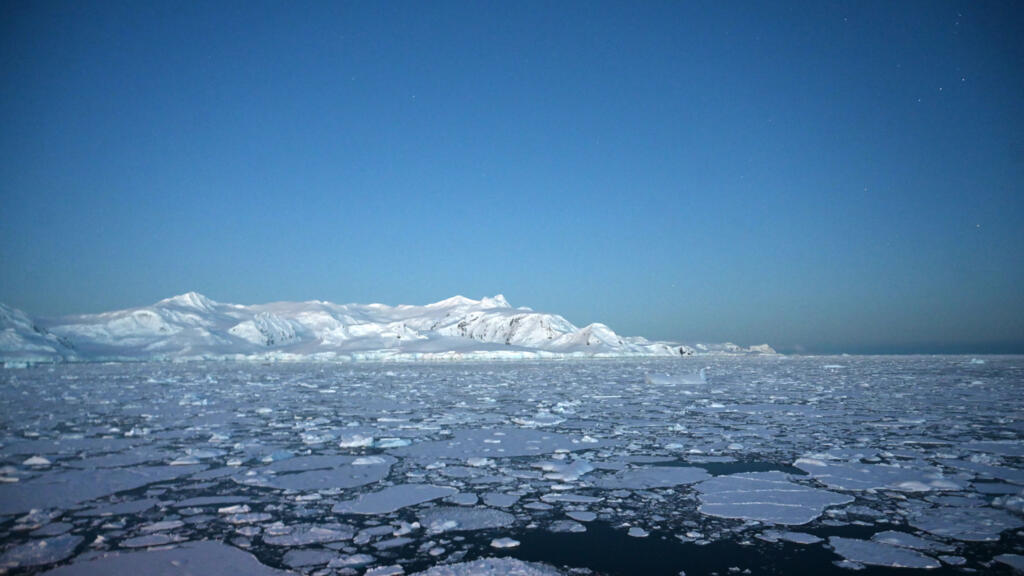
After several years of worrying lows, scientists say the icy cover around Antarctica may have staged a modest rebound this year.
According to researchers at the National Snow and Ice Data Center at the University of Colorado Boulder, Antarctic sea ice likely reached its summer minimum on February 26.
It was at about 2.58 million square kilometres.
Every year, sea ice naturally shrinks during the Southern Hemisphere’s summer.
That seasonal low is what scientists track closely. So where does 2026 stand?
Surprisingly, it ranks as the 16th smallest extent since satellite records began in 1979—not great, but noticeably better than the dramatic lows seen recently.
In fact, the ice cover this year was about 730,000 square kilometres larger than the record low in 2023.
Antarctic Ice Pause
Still, it remains 260,000 square kilometres below the long-term 1981–2010 average, a reminder that the recovery is far from complete.
Climate researcher Ted Scambos says unusual weather helped slow the decline.
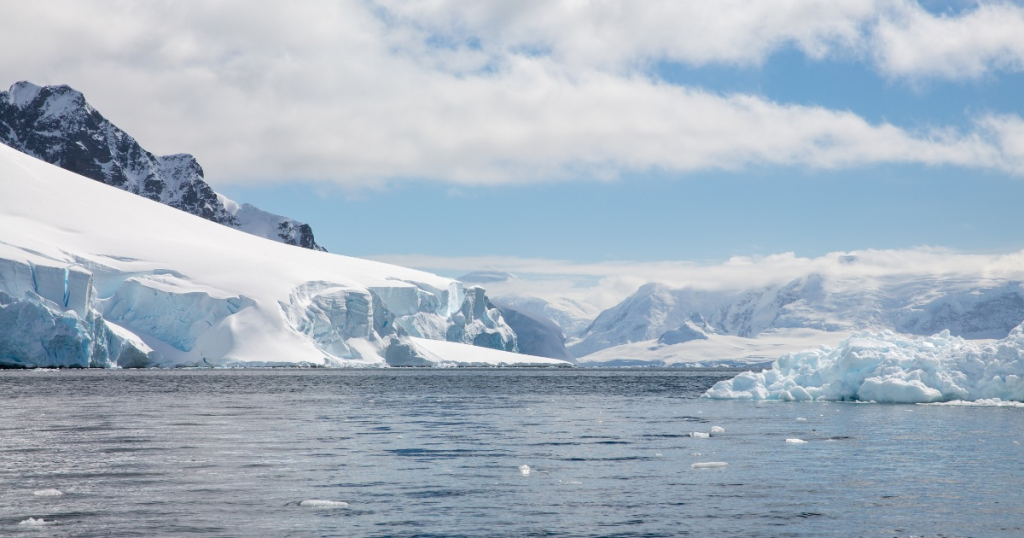
“Strong winds from the south pushed sea ice outward in the Weddell Sea,” he explained, which temporarily expanded the ice edge.
So is Antarctica healing? Not quite. Think of it less as a full comeback and more like a brief pause.
Proof that nature can surprise us, but also a reminder that the bigger climate story is still unfolding.