What happens when long-simmering tensions finally erupt? Overnight, that question got a chilling answer.
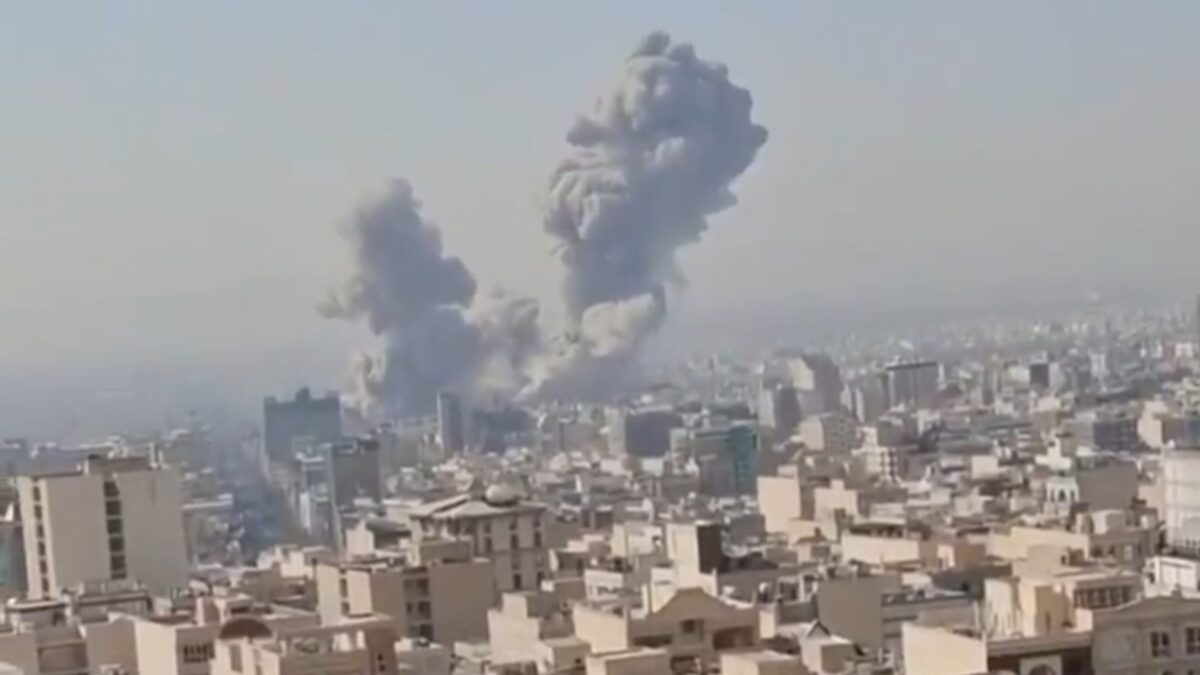
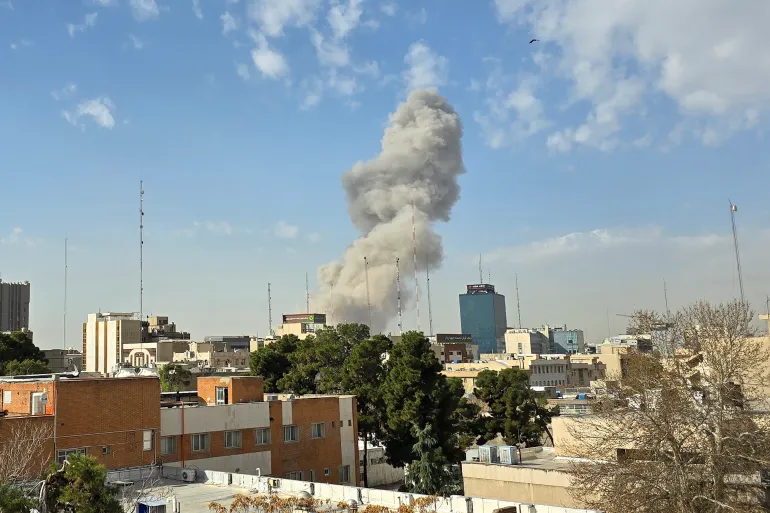
Explosions lit up Tehran as the United States and Israel launched coordinated strikes on Iran, targeting what they called “imminent threats.”
Smoke billowed across key districts, while communication lines in parts of the capital reportedly went silent.
But this wasn’t one-sided. Within hours, retaliation followed. Sirens wailed across northern Israel as missiles approached.
In the Gulf, tension spread fast—interceptions reported over Doha, explosions in Abu Dhabi, and alarms triggered across multiple states.
Airspace closures and shelter warnings painted a region on edge.
Middle East Escalation
At the center of it all, leaders doubled down. Donald Trump framed the strikes as defensive.
Benjamin Netanyahu called them necessary to remove an “existential threat.”
Iran, meanwhile, warned of a “crushing” response, declaring no red lines remain.
Analysts suggest this may have been more than retaliation.
“It appears designed to derail negotiations,” said Mehran Kamrava, pointing to fragile diplomacy now hanging by a thread.
So where does this lead? A contained escalation—or something far wider?
In a region already on edge, one thing is clear: the next move could change everything.