
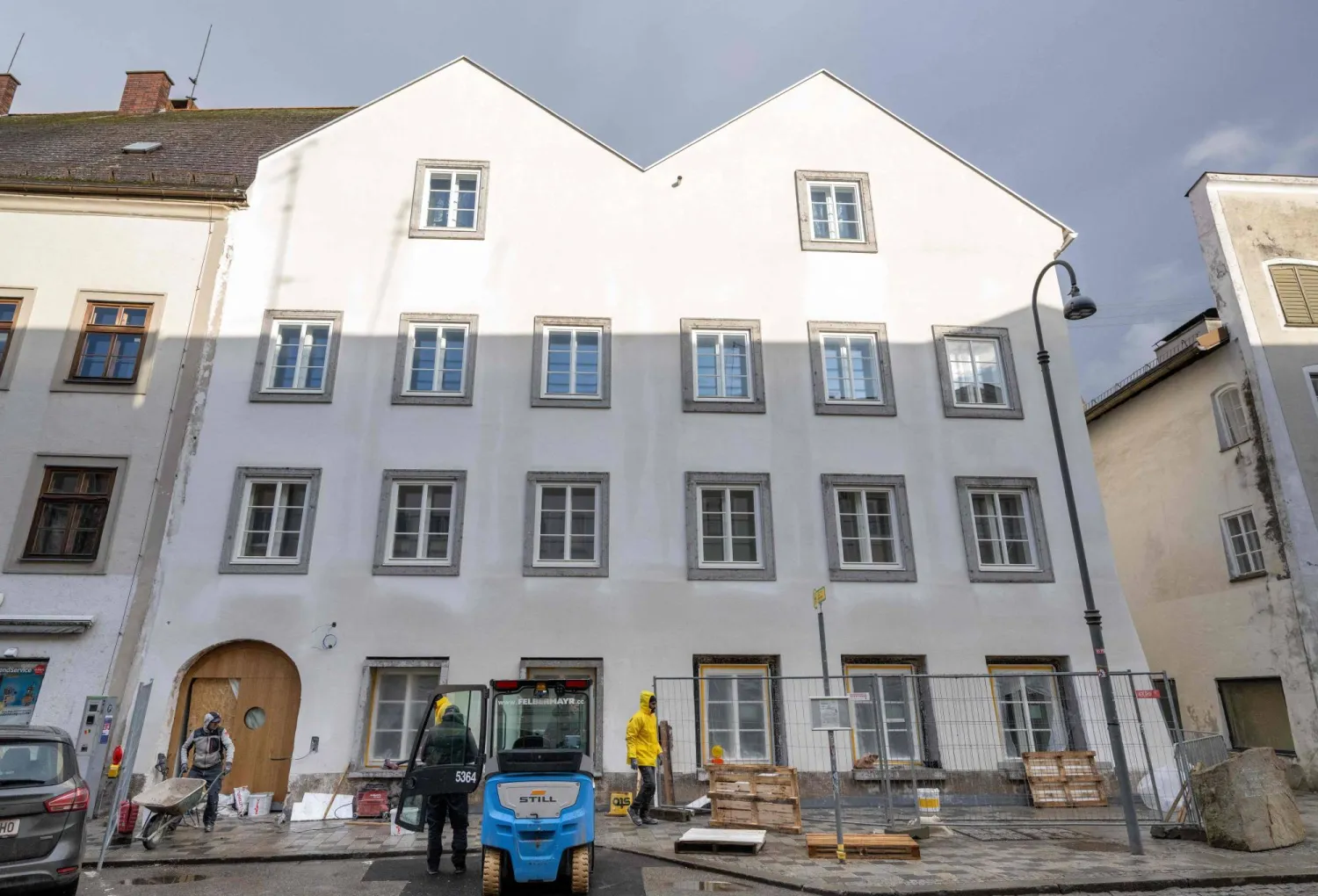
In the quiet Austrian town of Braunau am Inn, that question is front and centre.
The house where Adolf Hitler was born is being transformed into a police station. A practical solution—or a controversial one?
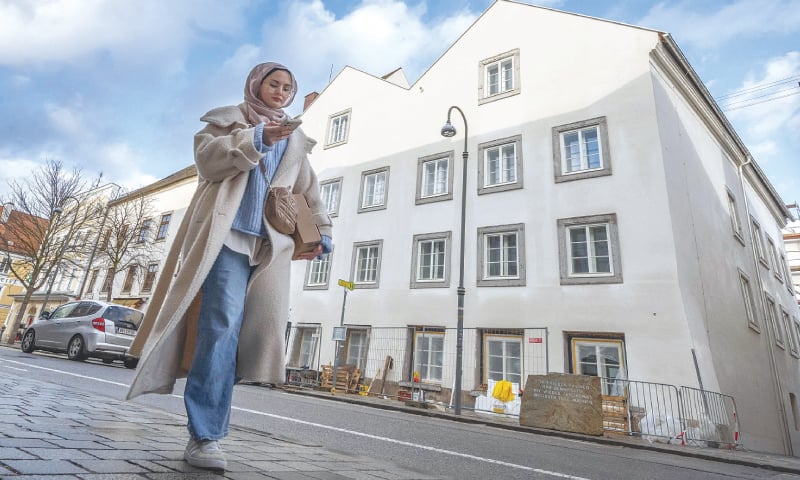
For some locals, it’s a smart move. “It might stop extremists from gathering here,” one resident said.
Others aren’t so sure. Is turning such a symbolic site into a state institution really the best way to confront history?
Austria took control of the building in 2016, aiming to “neutralise” it.
The country has long faced criticism for how it reckons with its Nazi past.
Historical Memory Debate
This is especially since the rise of the Freedom Party of Austria, a far-right group with historical links to former Nazis.
Even experts are divided. Author Ludwig Laher warns, “A police station is problematic… police protect what the state wants.”
In other words, does this shift erase memory—or reshape it?
As finishing touches are added and officers prepare to move in by 2026, the debate lingers.
Because sometimes, history isn’t just about the past. It’s about what we choose to do with it now—and what that says about who we are.