How far does responsibility go when adventure turns deadly?
That question is at the heart of a high-stakes trial in Austria this week.
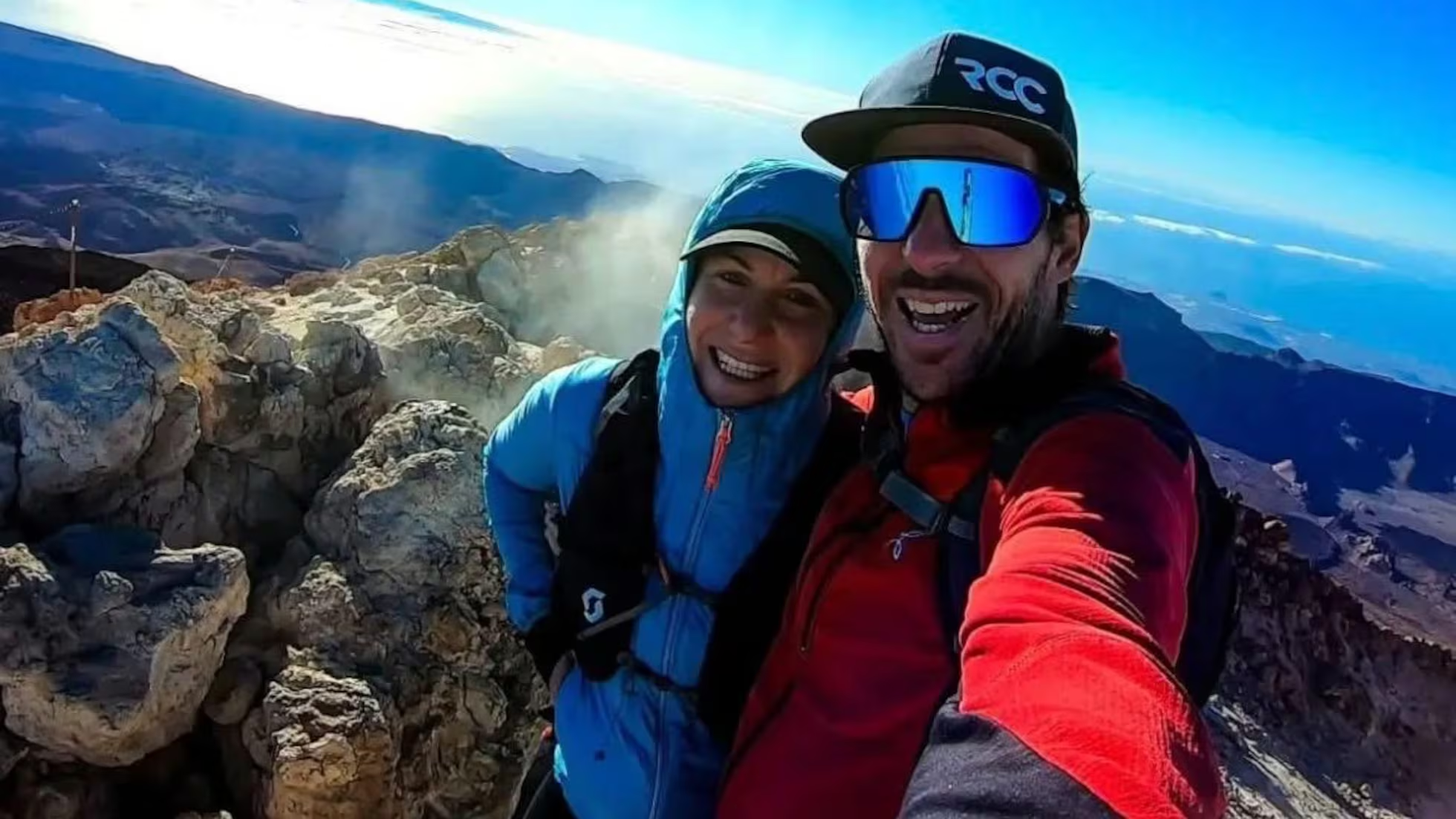
More than a year after 33-year-old Kerstin G froze to death on the country’s highest peak, the Grossglockner.
Her boyfriend, identified by media as Thomas P, goes on trial accused of gross negligent manslaughter.
Prosecutors argue that as the more experienced climber, he was the “responsible guide” and should have turned back or called for help before it was too late.
“He failed to protect her in extreme conditions,” they say.
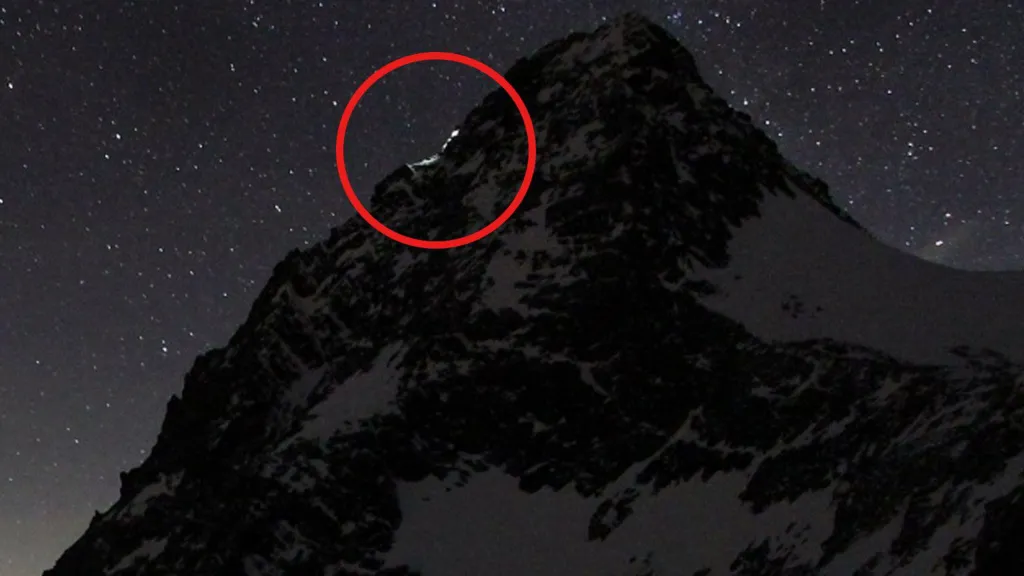
They point to nine alleged errors: starting too late, inadequate gear, unsuitable boots, and ignoring high winds of up to 74 km/h.
Thomas P’s lawyer, Karl Jelinek, insists it was a tragic accident.
“Both considered themselves sufficiently experienced, adequately prepared, and well equipped,” he said.
Mountaineering Liability Debate
According to the defense, exhaustion struck suddenly, and the boyfriend left to get help after reaching the summit.
He only called authorities hours later when it became clear she could not continue.
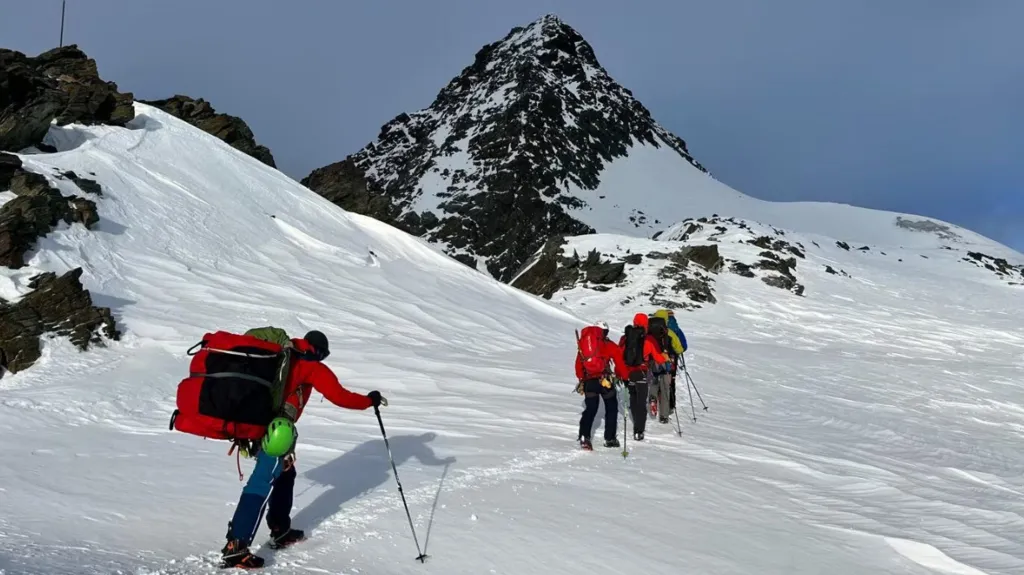
The debate has resonated far beyond Austria. It has stirred questions in mountaineering circles about where personal judgment ends and criminal liability begins.
Could this case redefine risk-taking in mountain sports? If convicted, Thomas P faces up to three years in prison.
The verdict could echo across the climbing world, reminding adventurers that sometimes, knowing when to turn back is the ultimate test of skill.