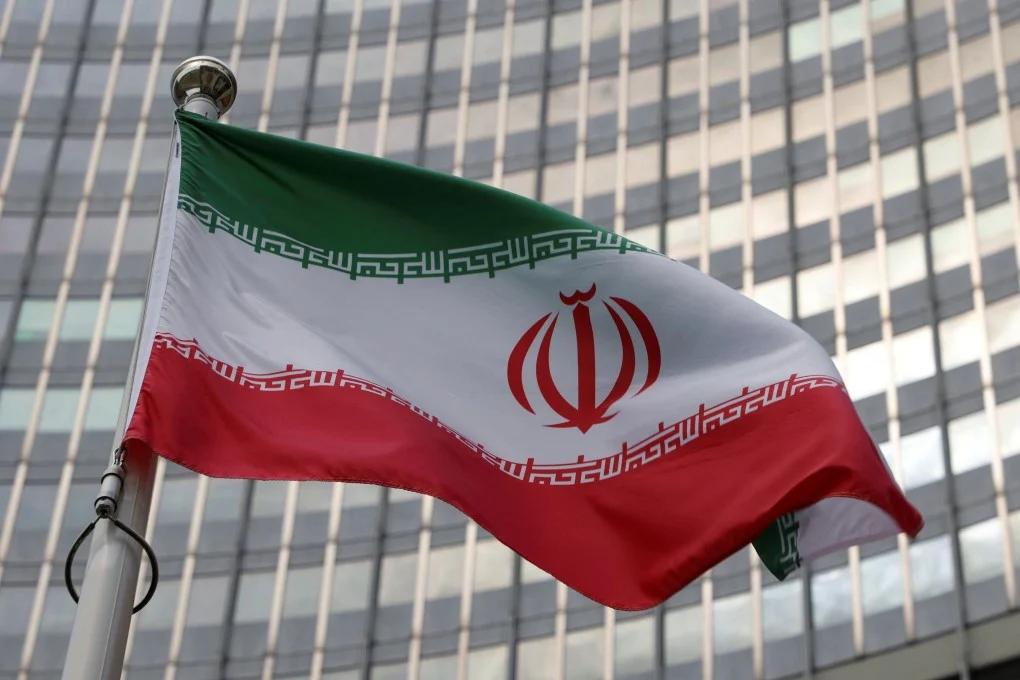
Iran’s use of the death penalty is skyrocketing — and the numbers are staggering.
Could the country be seeing more than just a routine rise?
According to Norway-based Iran Human Rights (IHR), at least 1,500 executions have taken place in 2025.
This is more than double the 975 verified in 2024.
And these figures likely understate the true total, as the government keeps official numbers under wraps.
Why the surge? The death penalty has long been Iran’s tool for “the most severe crimes,” officials say.
But experts point to a pattern: execution rates spike when the regime feels threatened.
Rising Execution Numbers
After the 2022 protests sparked by the tragic death of 22-year-old Mahsa Amini, executions jumped from 520 to 832 the next year.
Most of those executed — around 99% — were convicted of murder or drug offences, a ratio that hasn’t changed despite the political turmoil.
Still, activists warn that the message is clear: instill fear to suppress dissent.
Recent events, including the 12-day conflict with Israel in June and setbacks for Iran’s regional proxies, appear to have triggered yet another wave.
As one human rights advocate put it, “Executions are not just punishment; they are a signal to anyone thinking of challenging authority.”
In a country where the numbers are cloaked in secrecy, the chilling trend is unmistakable.
Fear is on the rise, and the stakes for dissenters have never been higher.