
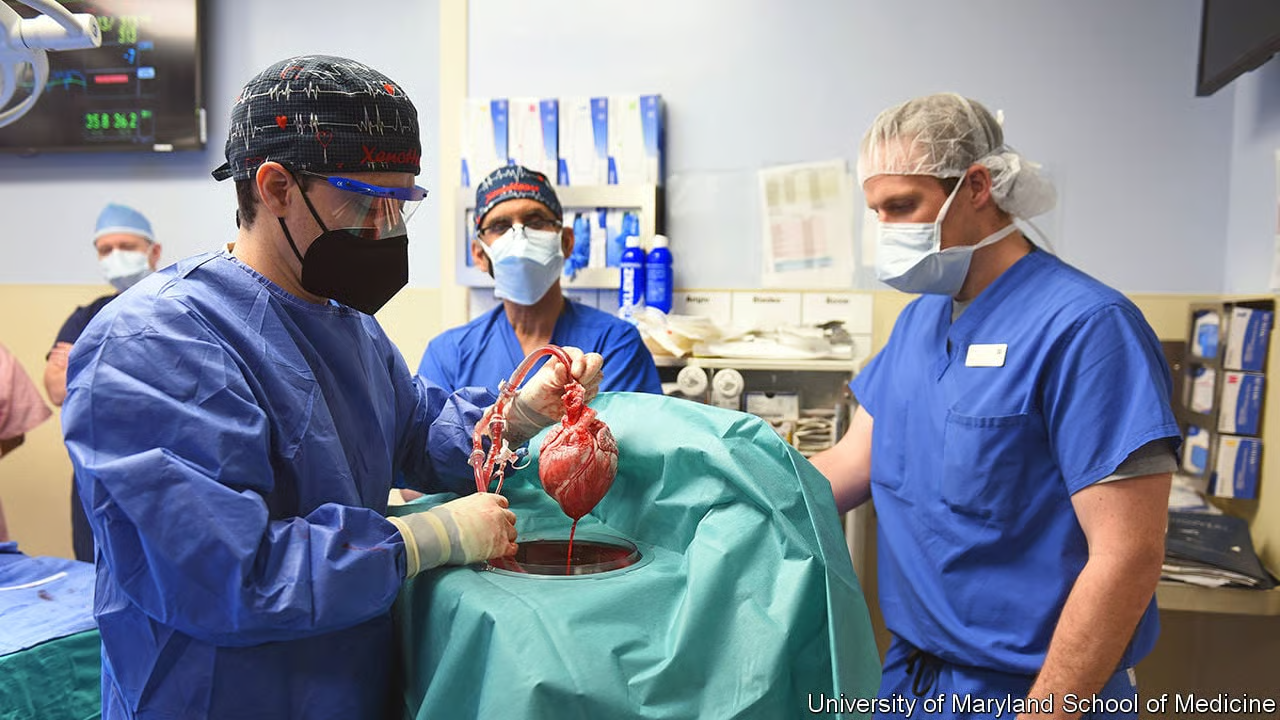
What if the solution to the chronic shortage of human organs wasn’t another person’s kidney, but a pig’s?
That’s exactly what Dr. Robert Montgomery, a pioneering transplant surgeon at NYU Langone, is exploring.
He is doing this with his groundbreaking xenotransplantation trial.
Gene-edited pig kidneys—modified in 10 spots to reduce rejection—are being transplanted into living patients.
Montgomery believes they could one day rival or even surpass human organs.
“They could be superior at some point because we can constantly modify them to make them better, where you can’t do that with a human organ,” he says.
The trial has already seen its first transplant and expects another in January.
It could expand to 44 patients if the FDA gives the green light.
Xenotransplantation Advances
Participants are typically those who either can’t receive a human kidney or are unlikely to get one in time.
In the UK alone, over 12,000 people have died waiting for a transplant in the past decade.
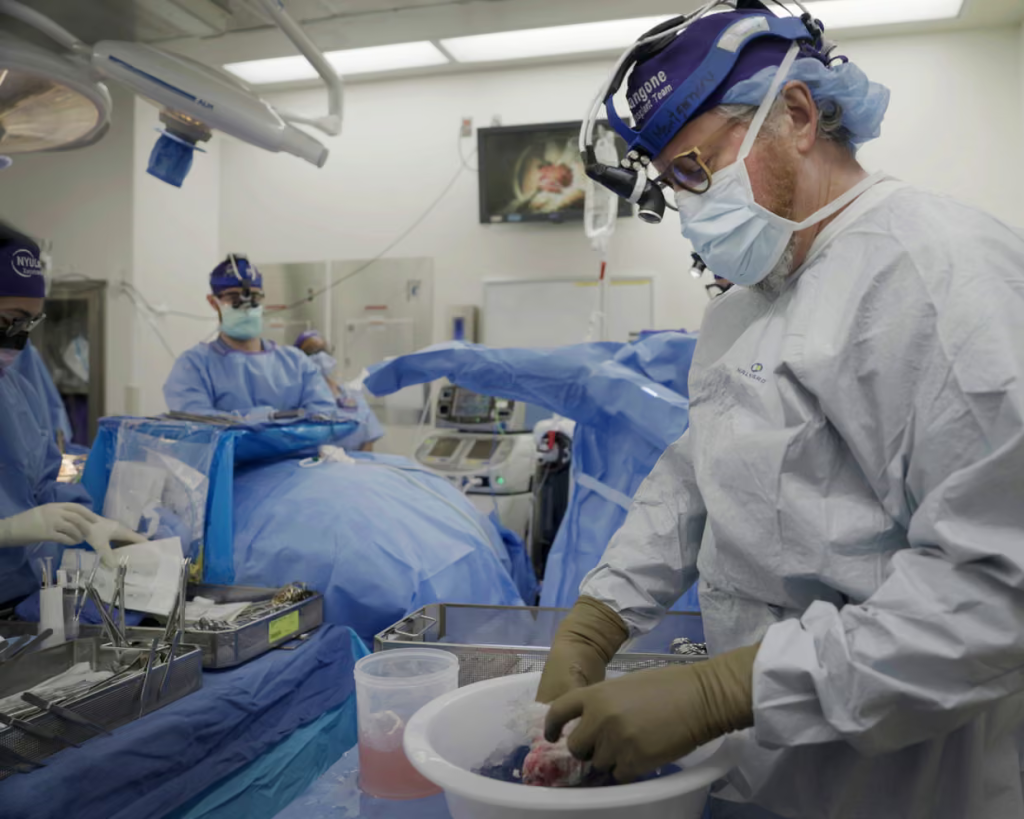
Montgomery, who himself underwent a heart transplant in 2018 after surviving seven cardiac arrests, knows the stakes personally.
He’s also innovated domino-paired kidney swaps and the use of hepatitis C–positive organs to increase availability.
The next frontier? Using pig thymus alongside the kidney to improve immune tolerance, potentially cutting or even eliminating anti-rejection drugs.
“We’re not there yet, but that’s why we’re doing these studies,” Montgomery notes.
Could pig organs become the future of transplantation?
If success continues, the answer might be a resounding yes—offering hope to thousands waiting for a second chance at life.