After nearly 17 years away, Tarique Rahman is back—and Bangladesh is watching closely. Can one homecoming reshape an election?
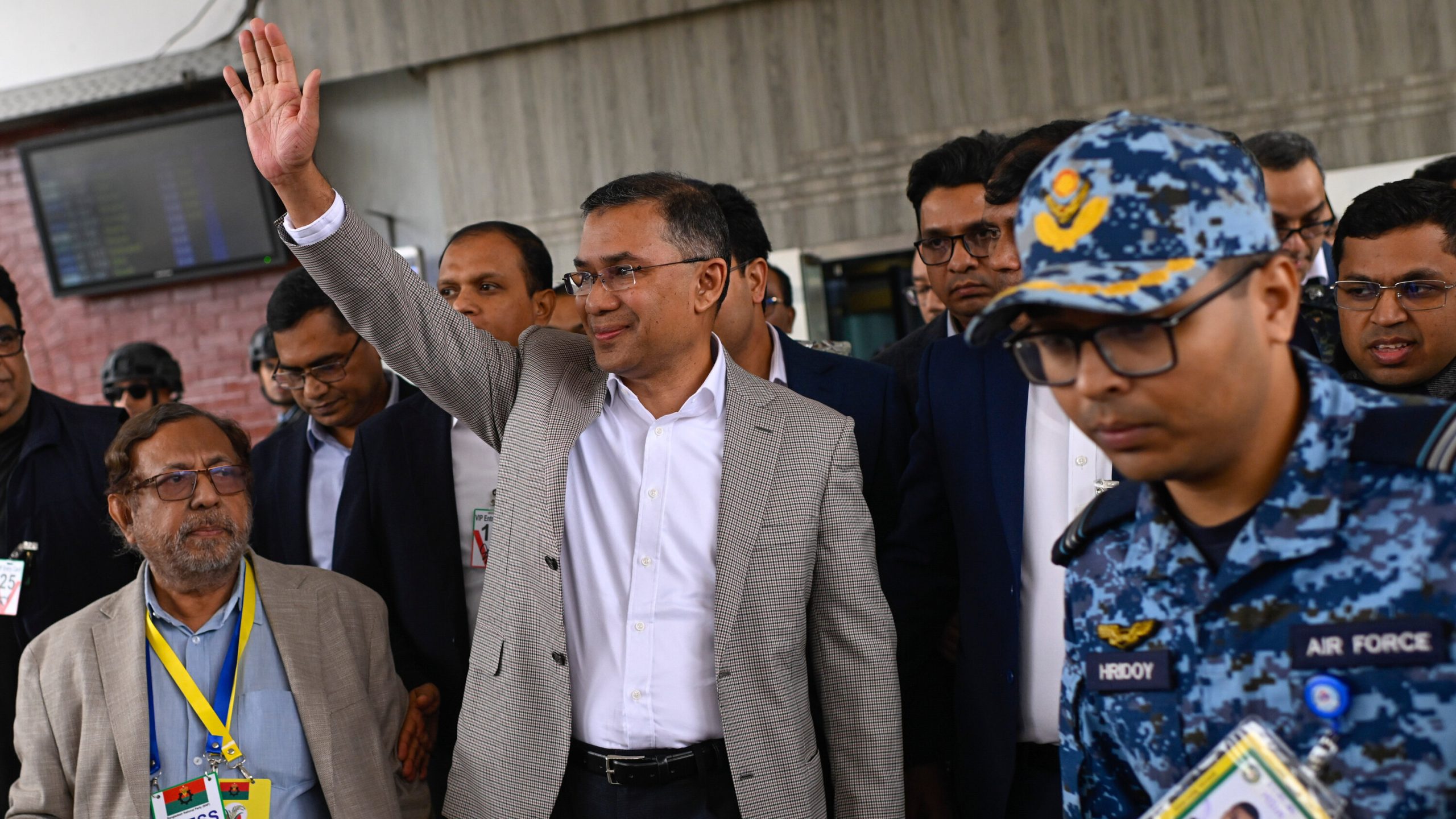
On Thursday, the acting chairman of the Bangladesh Nationalist Party (BNP) landed in Dhaka to scenes more like a festival than a political arrival.
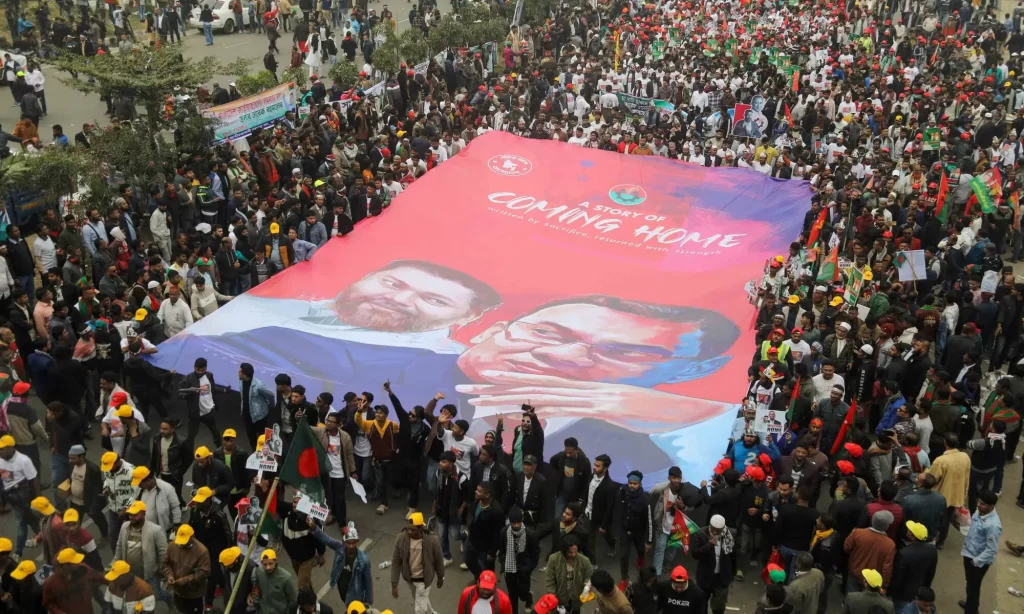
Hundreds of thousands of supporters packed the roads from the airport, waving flags and chanting slogans.
They showered flowers as Rahman made his long-awaited return.
Party leaders greeted him under heavy security, hoping the moment will electrify voters ahead of the February 12 polls.
Rahman, 60, has lived in London since 2008 and has led the BNP as acting chairman since 2018.
Stepping out of the airport, he kicked off his shoes and stood barefoot on Bangladeshi soil.
He scooped up a handful of earth—a quiet but powerful symbol of return.
Smiling and waving from a bus, he soaked in the crowd’s energy.
Exile Ends, Stakes Rise
His exile was shaped by legal troubles. Convicted in absentia on charges including money laundering.
Rahman was unable to return due to an alleged assassination plot against Sheikh Hasina.
The verdicts were overturned after Hasina’s removal last year in a student-led uprising.
The timing is deeply personal too. His mother, former prime minister Khaleda Zia, has been seriously ill, and Rahman is expected to visit her soon.
Politically, the stakes are enormous. Surveys suggest the BNP is leading, while Hasina’s Awami League—barred from the vote—has warned of unrest.
With Nobel laureate Muhammad Yunus heading an interim government, Bangladesh stands at a crossroads.