Just days before Christmas, as families hoped for a quiet night, the skies over Ukraine told a very different story.
Russia launched what President Volodymyr Zelensky called a “massive” overnight assault.
He said it showed exactly where Moscow’s priorities lie.
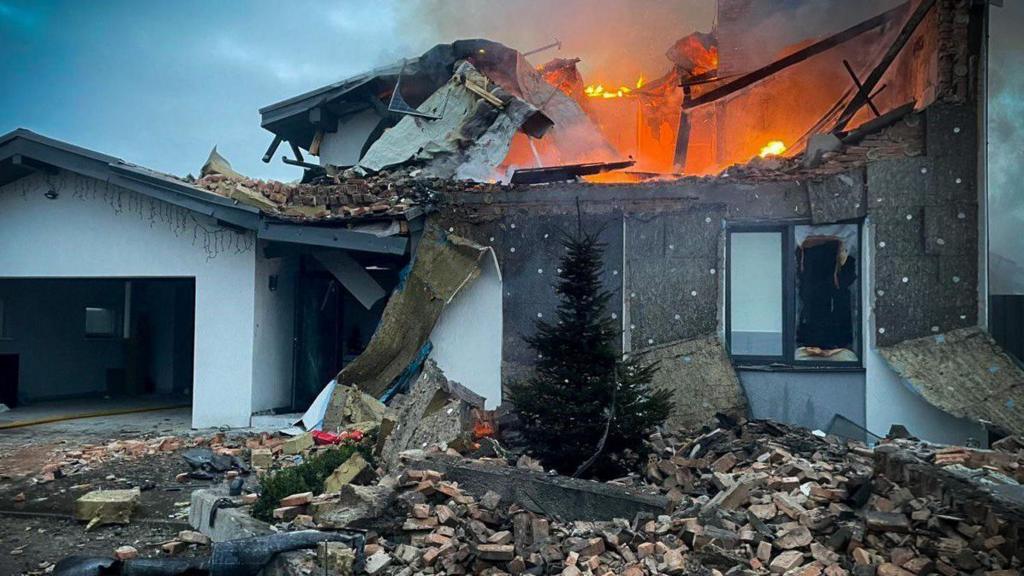
Hundreds of drones. Dozens of missiles. Ukrainian officials say at least three people were killed, including a four-year-old child.
Power stations were hit too, plunging several regions into darkness as winter temperatures drop.
“People simply want to be with their families, at home, and safe,” Zelensky said. “Instead, this is the signal Russia sends.”
Ukraine’s air force reported 635 drones and 38 missiles fired, with most intercepted. Still, the damage was severe.
Homes were destroyed in Kyiv, Zhytomyr, and Khmelnytskyy.
Cross-Border Strikes Escalate
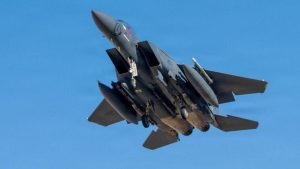
In Poland, fighter jets were scrambled as missiles flew toward western Ukraine.
Russia claims it struck military and energy targets.
Ukraine, meanwhile, says it hit back—reportedly setting a Russian petrochemical plant ablaze.
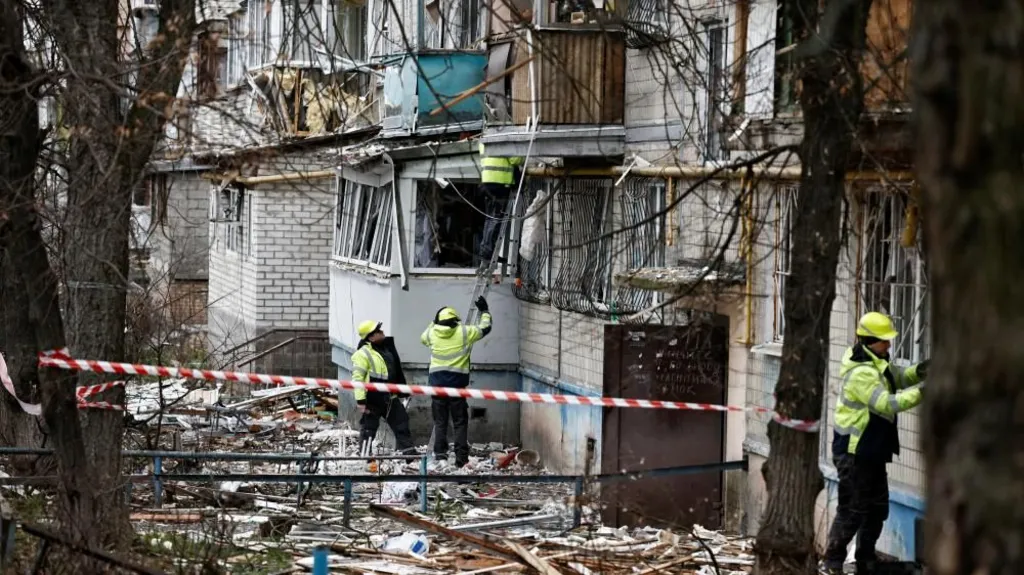
On the ground, exhaustion is setting in. “Power cuts are the new normal,” said Oleksandr Chyrvonyi from Zaporizhzhia.
“You try to keep the illusion of normal life.”
Peace talks continue. A Christmas truce was floated—and rejected.
Which raises the uncomfortable question: if even the holidays can’t pause this war, what will?