How do you respond when your troops are attacked in a foreign land?
For the US, the answer came in the form of a “massive strike” against Islamic State positions in Syria.
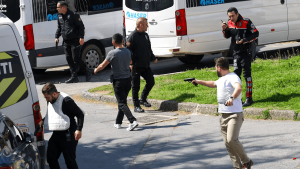
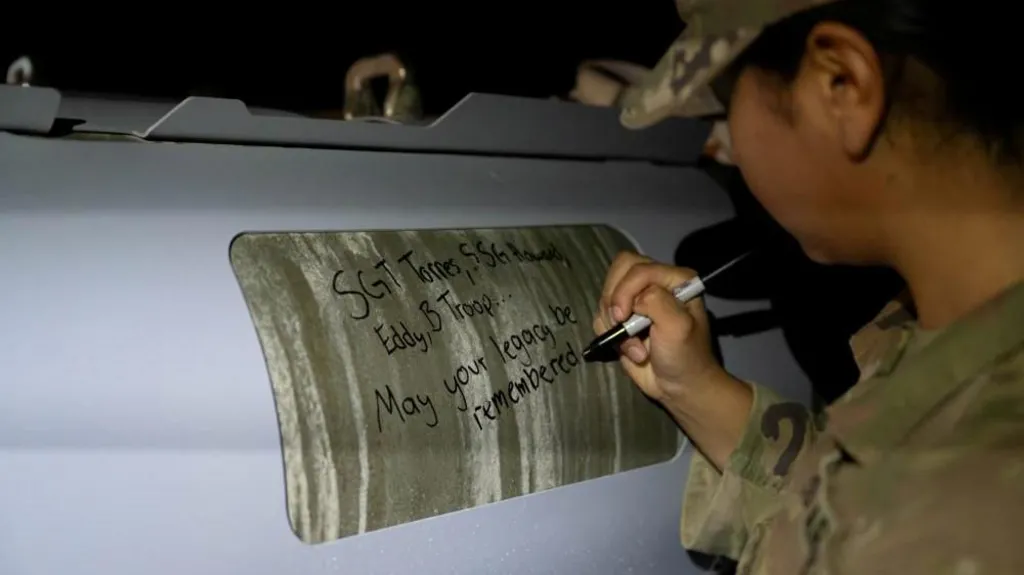
On 13 December, an ambush in Palmyra killed two US soldiers, Sgt Edgar Brian Torres Tovar and Sgt William Nathaniel Howard, along with a civilian interpreter.
The attackers also injured three others. The US response, dubbed Operation Hawkeye Strike, targeted over 70 IS locations.
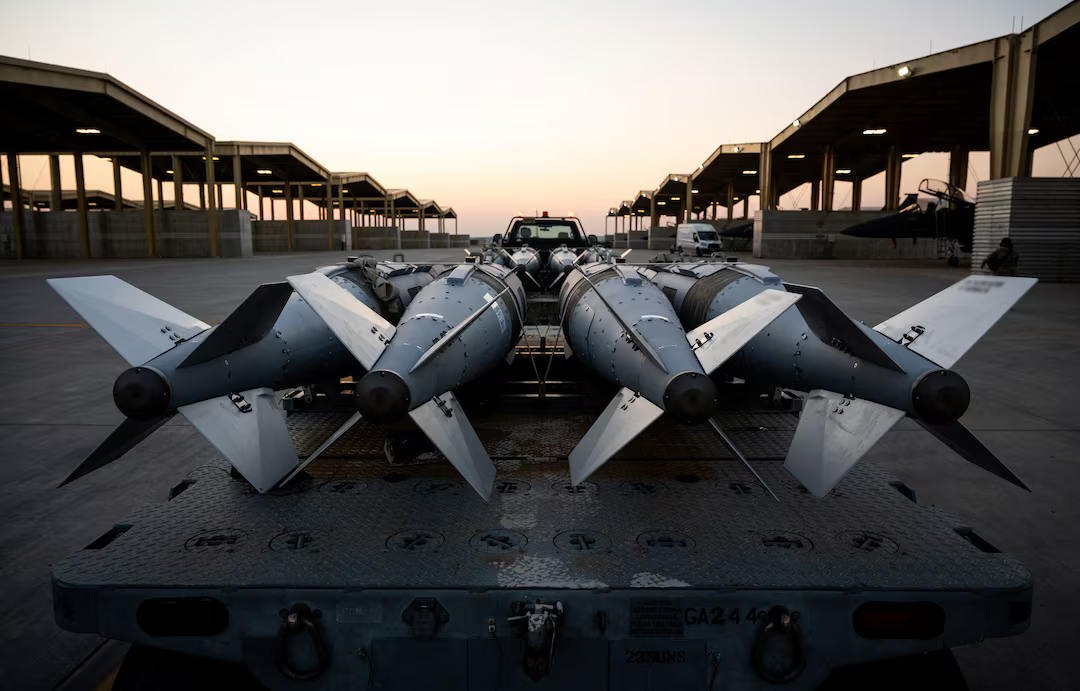
These locations were across central Syria. It used fighter jets, attack helicopters, artillery, and even Jordanian aircraft.
Centcom said more than 100 precision munitions hit known IS infrastructure and weapons sites.
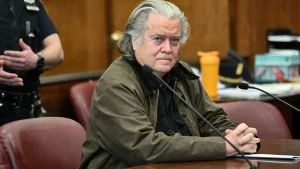
President Trump made it clear: “We are striking very strongly” against those who threaten Americans.
IS Targeted In Syria
Defence Secretary Pete Hegseth echoed the message, calling it “a declaration of vengeance.”
He warned that anyone targeting US forces will be hunted relentlessly.
Rami Abdel Rahman from the Syrian Observatory for Human Rights reported that at least five IS fighters were killed.
This included a local drone cell leader. The US claims the Syrian government supported the strikes.
Jordan said its air force joined to prevent extremist threats from spilling beyond Syria.
Even though IS has lost territory in Syria, the group still operates with thousands of fighters, launching sporadic attacks.
As Centcom commander Admiral Brad Cooper put it, “We will continue to relentlessly pursue terrorists.
They seek to harm Americans and our partners across the region.”
In short: the message is clear — if you strike the US, payback isn’t coming. It’s already here.