
Could a common condition during pregnancy affect a baby’s brain before they even begin to grow up? New research suggests it might.
A study involving more than 300 mothers and babies in Cape Town found that infants born to mothers with anaemia had on average 4% smaller total brain volumes than those whose mothers were not anaemic.
This was true even when the mothers had only mild anaemia.
Researchers from King’s College London and the University of Cape Town scanned the babies repeatedly from three months to two years.
Differences appeared in brain regions involved in movement, learning, processing speed and emotional regulation.
These included the putamen, caudate nucleus and corpus callosum.

Brain Development Concerns
More concerning, the gap grew over time. The corpus callosum was around 4% smaller at 12 months and 6% smaller by age two.
“These aren’t children who are catching up,” researcher Jessica Ringshaw said, noting that similar differences have been observed in older children.
More than a third of pregnant women worldwide experience anaemia, often linked to iron deficiency.
The highest rates are in sub-Saharan Africa and South Asia.
Ringshaw stressed the importance of screening and treating anaemia during pregnancy, alongside managing infections where necessary.
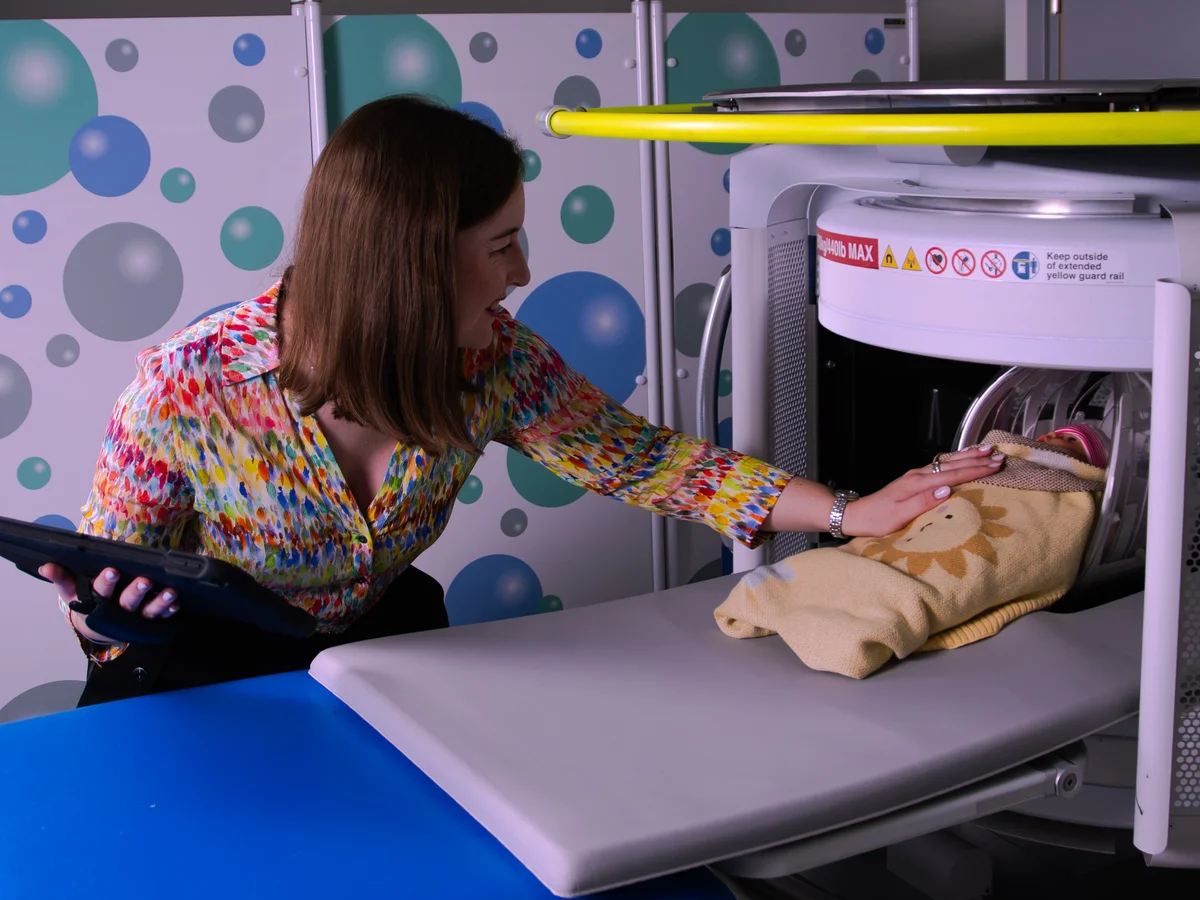
The study also showed portable, lower-cost MRI scanners could detect these brain differences.
The message is simple: protecting a child’s development may begin long before birth.