

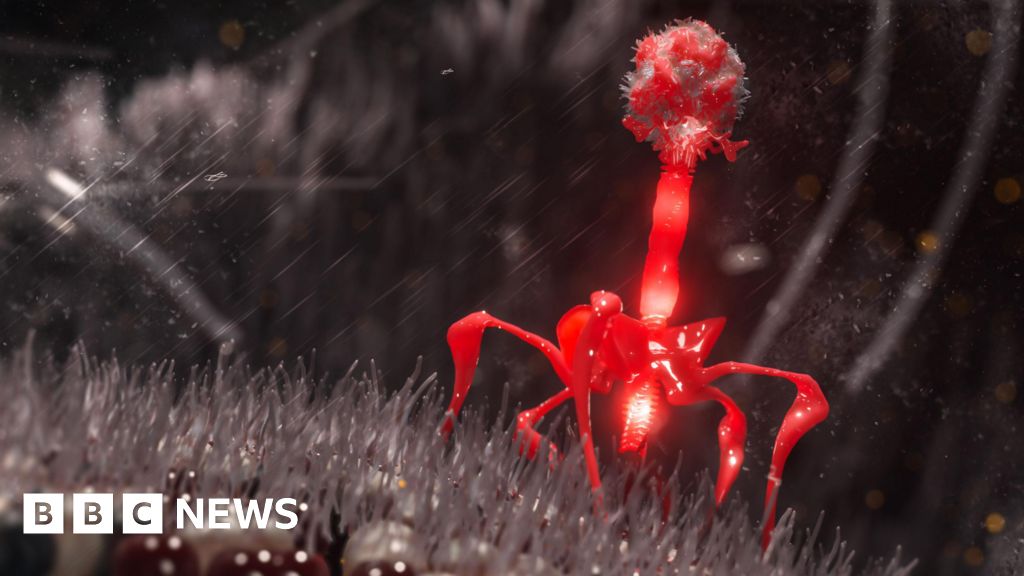
What if artificial intelligence could design an entirely new virus from scratch?
It sounds like science fiction, but researchers in the US say it has now become scientific reality.
Scientists at Stanford University have used AI to create 16 brand-new bacteriophages viruses that infect bacteria, not humans.
Remarkably, the AI-designed viruses were fully functional and able to replicate in the laboratory.
It marked the first time an entire viral genome has been generated by artificial intelligence.
Lead researcher Brian Hie described the achievement as “new territory.”
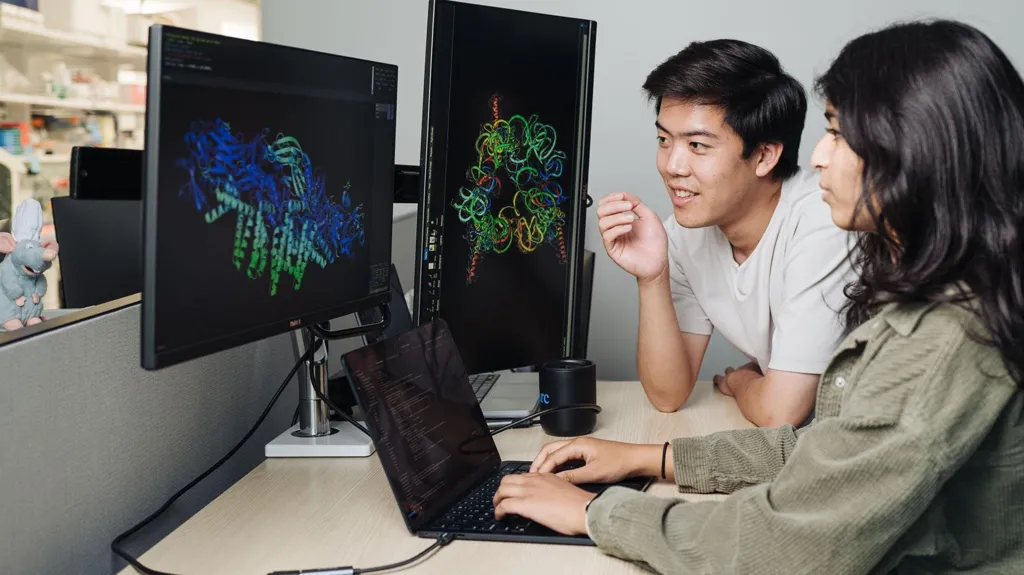
He explained that AI has moved beyond predicting genetic sequences to designing complete genomes capable of functioning inside cells.
The breakthrough could revolutionize medicine by accelerating the development of phage therapies to fight antibiotic-resistant infections.
Viruses Raise Safety Fears
But the discovery also raises difficult questions. Experts from Johns Hopkins University warned that the technology presents “urgent biosafety and biosecurity questions.”
They argued that future AI-designed viruses capable of infecting humans should never be pursued.
To reduce risks, the Stanford team trained its AI only on viruses that infect bacteria and carried out the work in secure laboratory conditions.

Scientists believe the research could transform drug development and synthetic biology.
Yet it also serves as a reminder that every technological leap comes with responsibility.
After all, when AI begins writing the language of life, the real challenge is deciding which stories should never be written.