

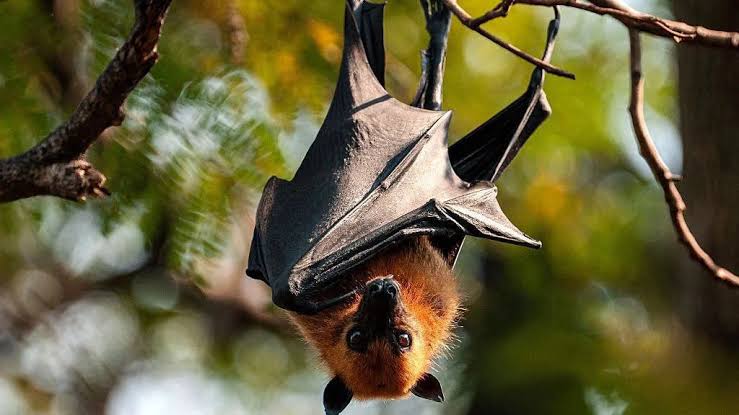
An 11-year-old Canadian boy died from rabies after waking to find a bat on his face while staying at a family cottage in Ontario.
His father removed the bat and released it, and because the boy had no visible bite marks or scratches, the family did not seek medical care.
Nearly three weeks later, the child developed facial numbness and swelling.
Doctors initially suspected more common conditions, including Bell’s palsy and a viral mouth infection.
But his condition deteriorated rapidly, with fever, difficulty swallowing, confusion and hallucinations.
Specialists soon feared the worst. Tests confirmed rabies, with the virus traced to a bat strain.
Despite intensive care, the boy died 17 days after being admitted to hospital.
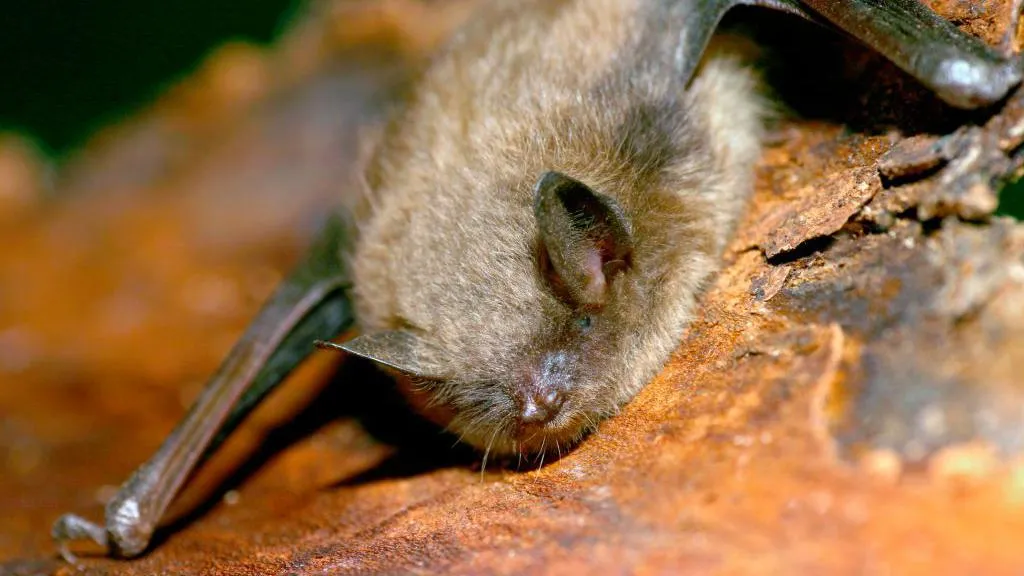
Rabies Warning After Bat Contact
Medical experts say the tragedy highlights a critical fact.
Any direct contact with a bat should be treated as a potential rabies exposure, even if no injury is visible.
Once symptoms appear, rabies is almost always fatal.
Rabies cases remain extremely rare in Canada thanks to widespread vaccination programmes.
Doctors stress that immediate post-exposure treatment can prevent the disease after a possible encounter.
Sometimes the most dangerous wounds are the ones you never notice—and acting quickly can make all the difference.