

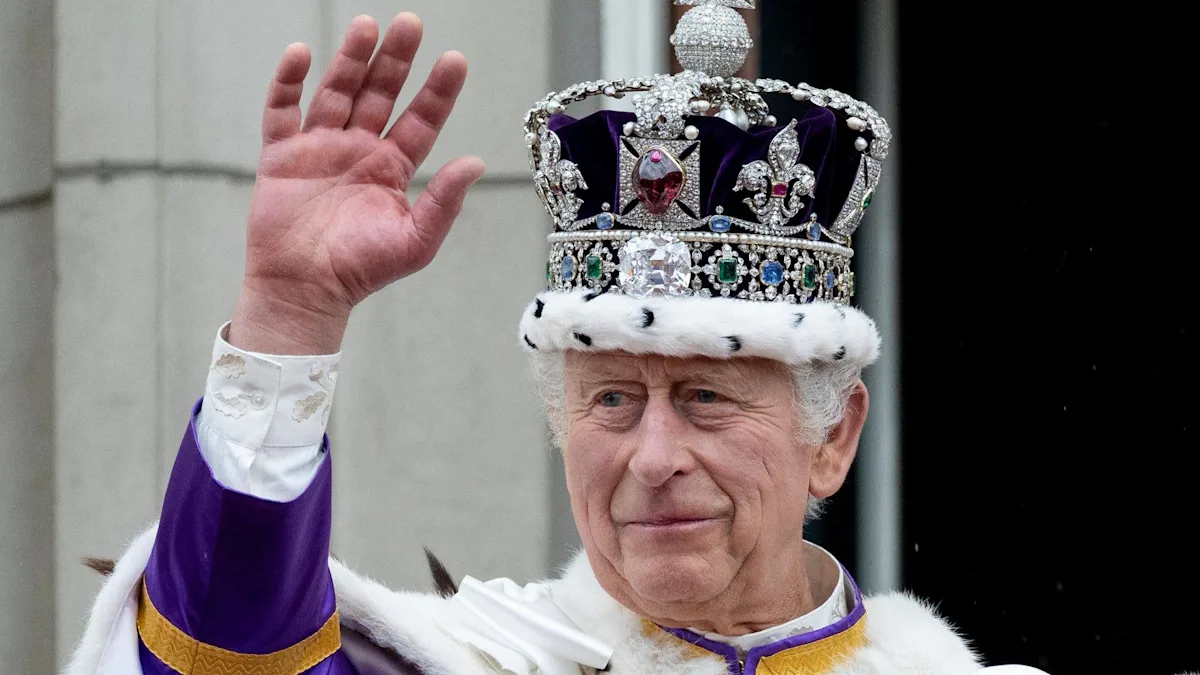
For the first time in British history, a reigning monarch has revealed how much tax he pays.
Why does it matter? Because the move is being seen as a major step toward greater transparency in royal finances.
King Charles disclosed that he voluntarily paid £12.9 million in tax during 2024–25, placing him among the UK’s top taxpayers.
Prince William also revealed a tax bill of £7.76 million, marking a new level of openness from the Royal Family.
Palace officials said the decision was intended to improve public accountability following years of scrutiny over royal finances.
However, tax expert Dan Neidle argued the figures remain “highly opaque.”
There’s no breakdown showing how the tax was calculated or what expenses were deducted.
The annual report also confirmed that King Charles and Queen Camilla will continue living at Clarence House.
Instead of moving into Buckingham Palace after its renovation.
Tax Disclosure Sparks Debate
Meanwhile, the Sovereign Grant—the public funding that supports the monarchy’s official duties—is set to rise to nearly £100 million annually by 2027.
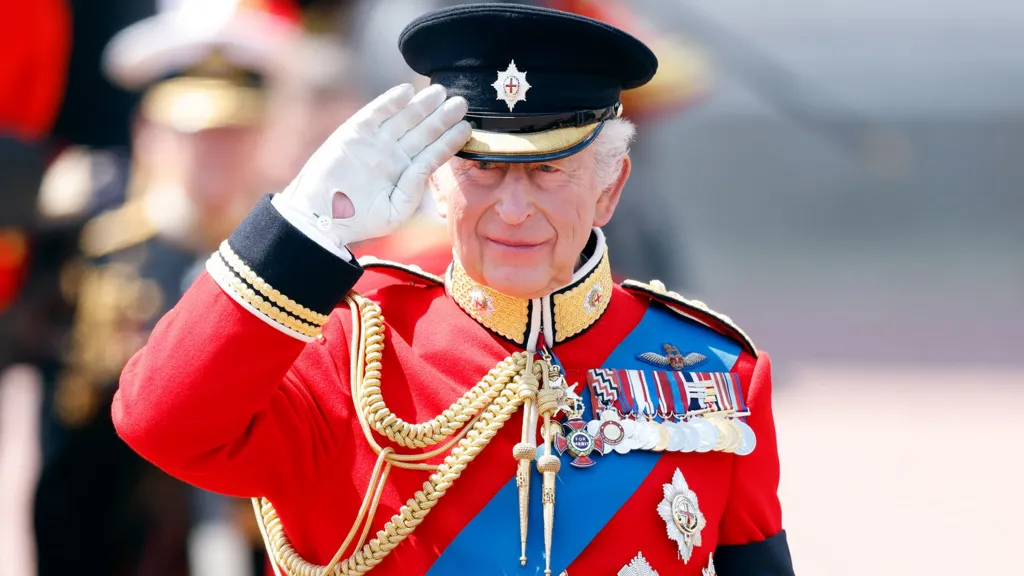
Officials saying the money will fund historic building maintenance, cybersecurity, and green energy upgrades.
Supporters call the tax disclosure a welcome shift toward transparency.
Critics, however, argue it raises fresh questions about the scale of royal wealth and public funding.
In the end, openness may earn trust—but it also invites even closer scrutiny.