
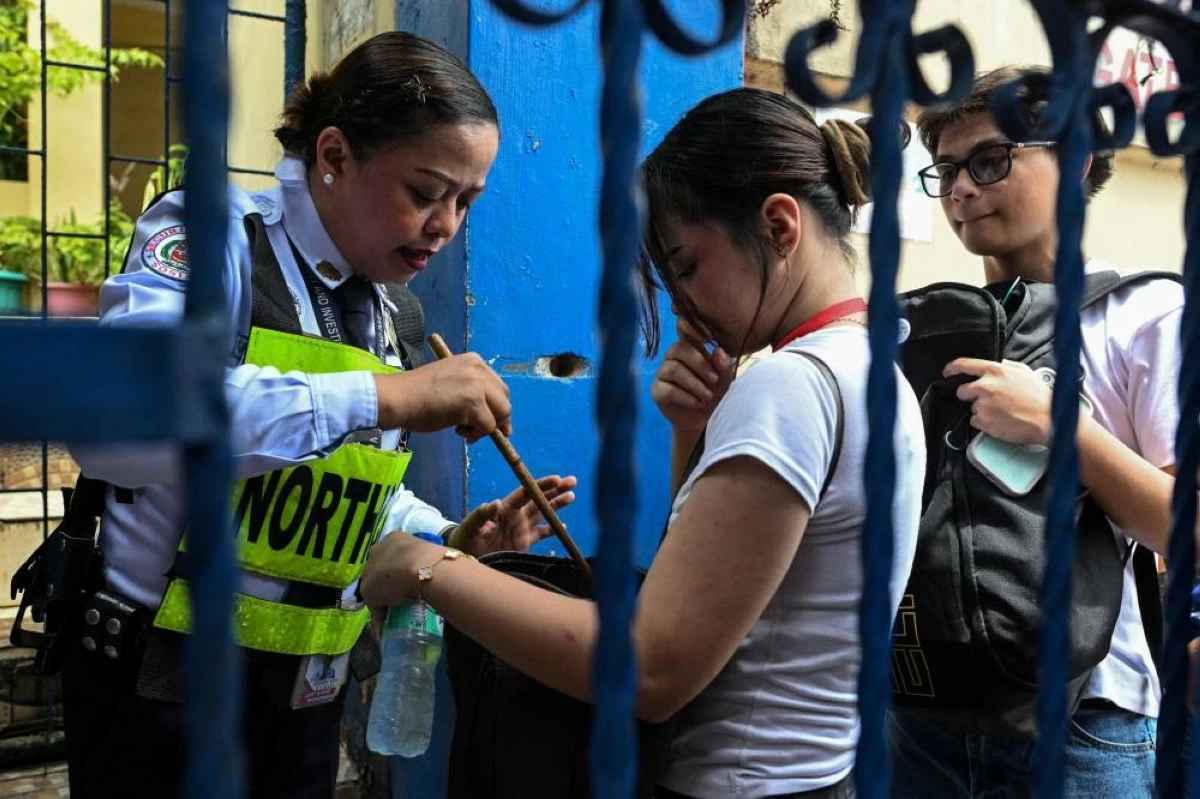
A school shooting in the Philippines has left the nation asking a painful question.
How prepared are schools for a crisis few ever imagined?
Three students were killed and 20 others injured after two teenage classmates allegedly opened fire at a public high school in Tacloban City.
The attack, carried out with a 9mm pistol and a revolver, has stunned a country where school shootings are extremely rare.
Now, officials say safety planning can no longer focus only on natural disasters.
Civil defence official Rafaelito Alejandro admitted the tragedy would reshape emergency preparations.
“We need to fast-track preparedness, not only for natural disasters but also for crime-related incidents,” he said.
The school, home to nearly 2,000 students, had no training for such a scenario.
Police spokesperson Evalyn Diaz explained that many students panicked and ran in different directions.
Unknowingly putting themselves in greater danger instead of seeking cover.
Violence Raises
Investigators are still trying to determine how the suspects obtained the firearms.
Early interviews suggest possible bullying, but authorities are also examining the role of social media and online influences.
Education Secretary Sonny Angara warned that the issue extends beyond security.
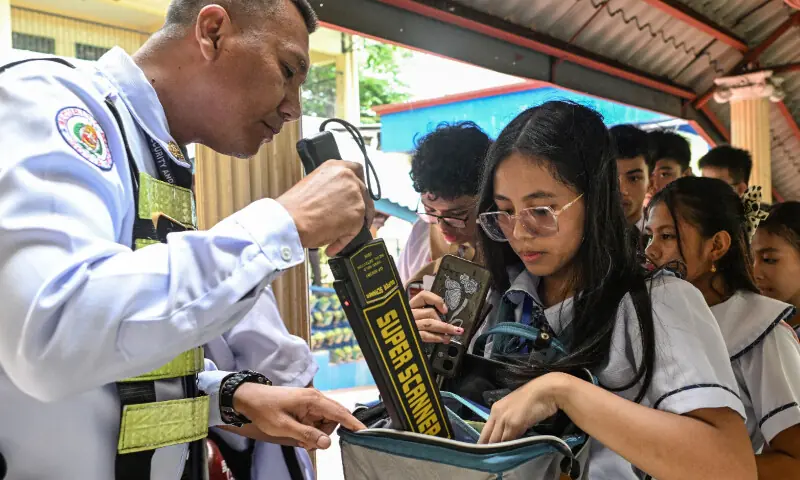
“We also need to manage the children,” he said, expressing concern about copycat attacks similar to those seen in the United States.
As the investigation continues, the tragedy has sparked a broader debate.
In a digital age, how do societies protect children from dangers both inside and outside the classroom?