What exactly is in the newly announced US-Iran peace agreement?
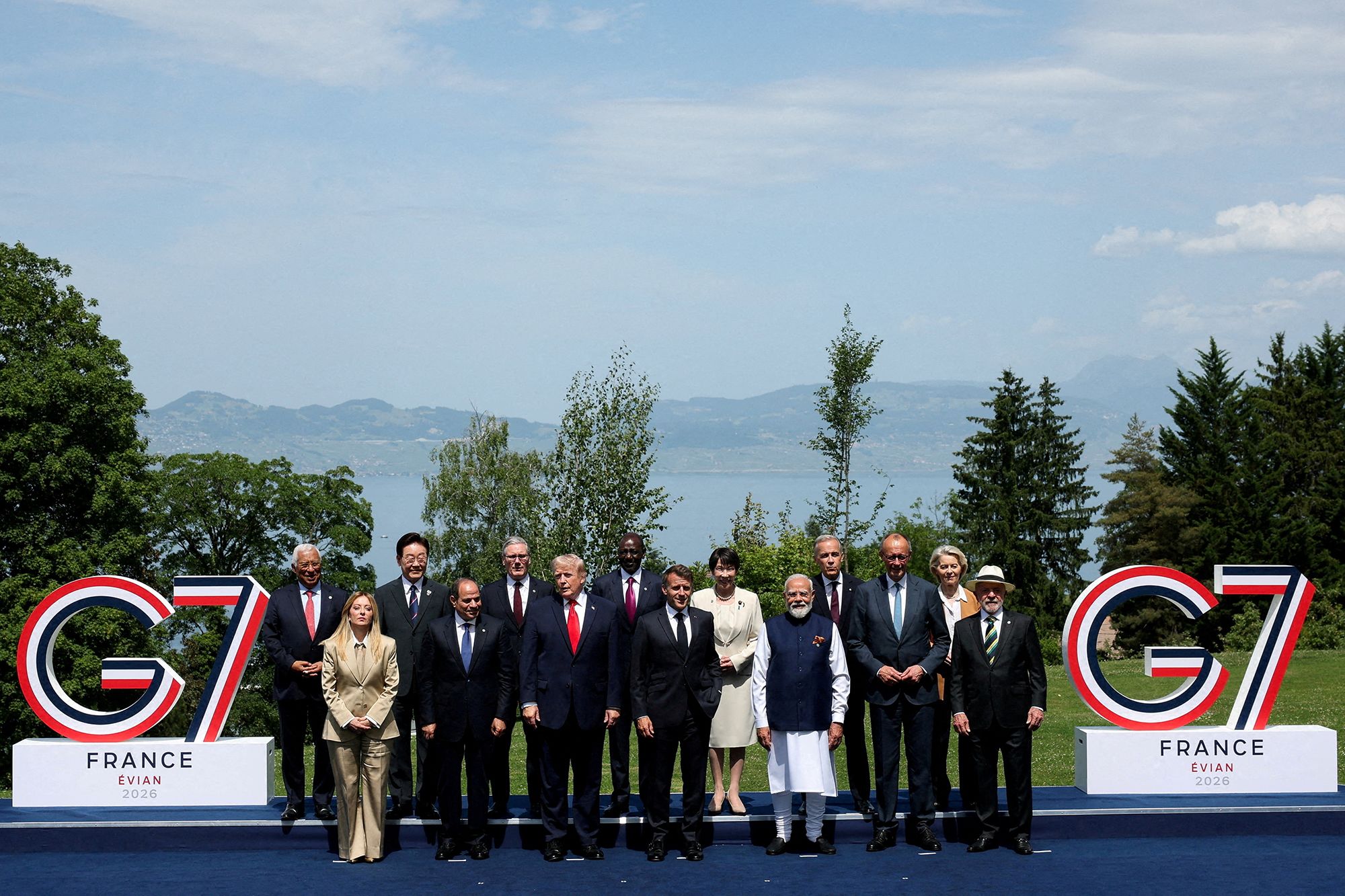
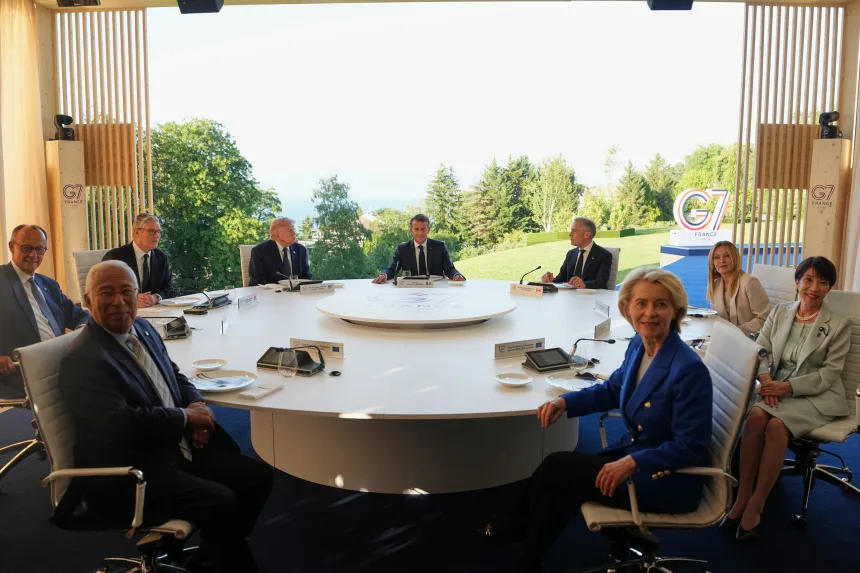
That was the question puzzling world leaders gathered on the shores of Lake Geneva this week.
Despite a lengthy discussion at a G7 dinner hosted by French President Emmanuel Macron, many leaders reportedly left with more questions than answers.
Why? The agreement signed by the United States and Iran remains largely secret, with neither side releasing the full text.
President Donald Trump insists the deal marks a breakthrough.
Officials from both countries have offered differing explanations about how key provisions will work.
Even senior figures within the US administration appear divided on important details.
Among the biggest unanswered questions is the future of the Strait of Hormuz, a vital global shipping route.
Iran Deal Faces Key Unresolved Issues
Trump has promised it will remain toll-free, but Iranian officials suggest they could still impose fees under certain circumstances.
The fate of Iran’s nuclear programme also remains unresolved.
Future negotiations are expected to tackle sensitive issues including uranium stockpiles, centrifuges and international inspections.
“There’s still a lot to figure out,” Vice President JD Vance acknowledged, describing upcoming talks as crucial to settling technical details.
Meanwhile, Gulf nations are being asked to support a proposed $300 billion reconstruction fund for Iran.
For now, the deal may have paused a conflict—but until the fine print emerges, uncertainty remains the loudest voice in the room.