
Nearly a decade after Thailand’s deadliest terrorist attack shocked the nation, a court has finally delivered its verdict.
But has the case truly been put to rest?
On Tuesday, two men from China’s Uyghur minority were sentenced to death for the 2015 bombing at Bangkok’s Erawan Shrine.
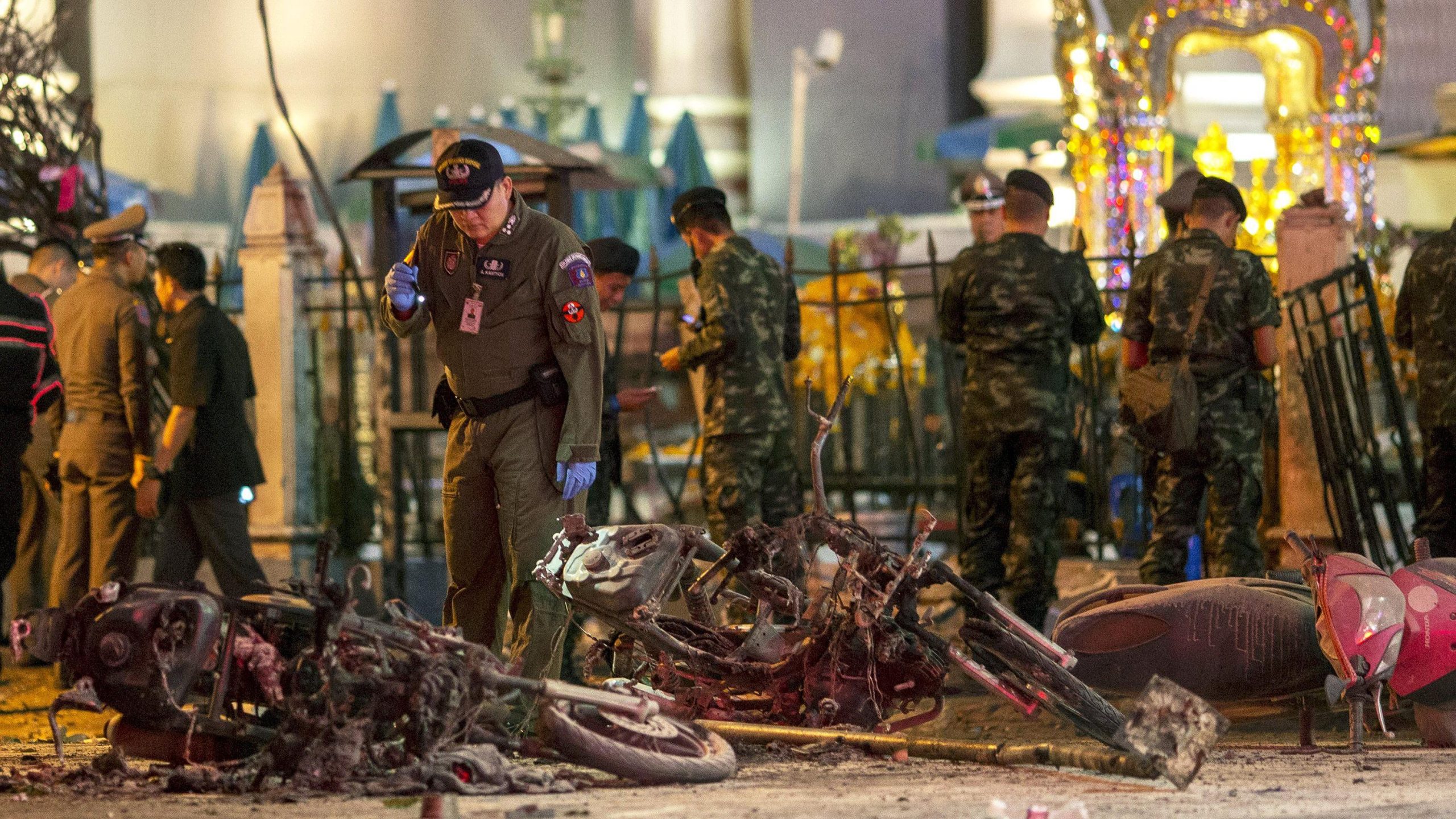
A popular tourist landmark. The blast killed 20 people and injured more than 120, leaving one of Thailand’s busiest intersections transformed into a scene of devastation.
The attack stunned the country. Witnesses described chaos as emergency crews rushed to treat victims amid smoke, debris, and panic.
Yet from the very beginning, the investigation was surrounded by controversy.
Police arrested Bilal Mohammad and Yusufu Mierali within weeks of the bombing.
Linking them to the attack through phone records and evidence recovered during raids.
Both men denied the charges and later claimed they had been tortured into making confessions.
Human rights groups have repeatedly criticised the case.
Verdict Draws Rights Concerns
The International Commission of Jurists argued that the investigation and trial were “rife with human rights violations”.
It highlighted the extraordinary delays that stretched proceedings over ten years.
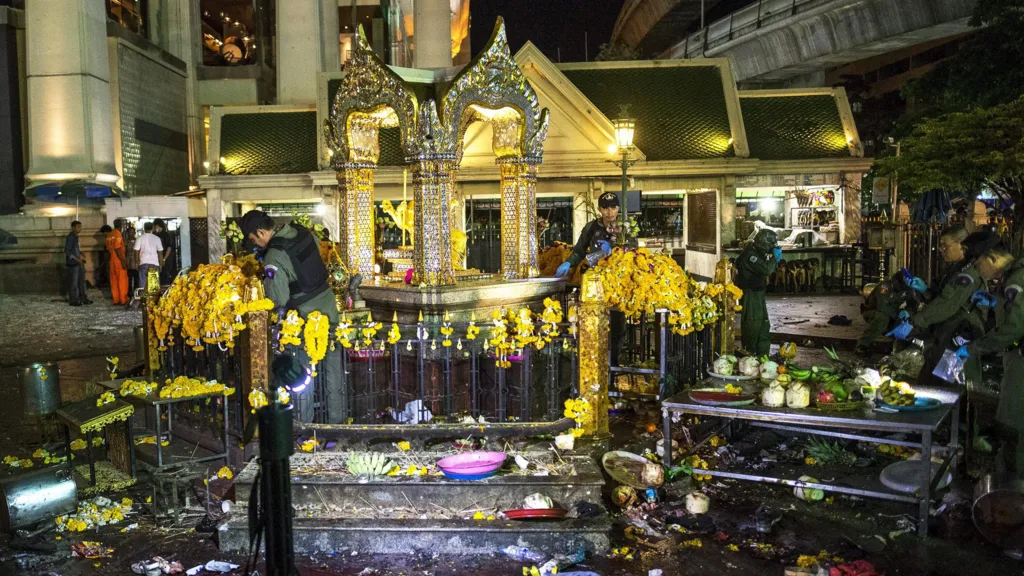
Analysts have long speculated the bombing may have been linked to Thailand’s controversial deportation of more than 100 Uyghurs to China shortly before the attack.
Though authorities never officially embraced that theory.
The defendants plan to appeal. And while the court has delivered a verdict.
Questions surrounding one of Thailand’s darkest days may continue to linger long after the gavel falls.