
What happens when sanctions at sea are pushed to the limit—and a tanker still tries to slip through?
In the Atlantic, France and the UK just gave one possible answer.
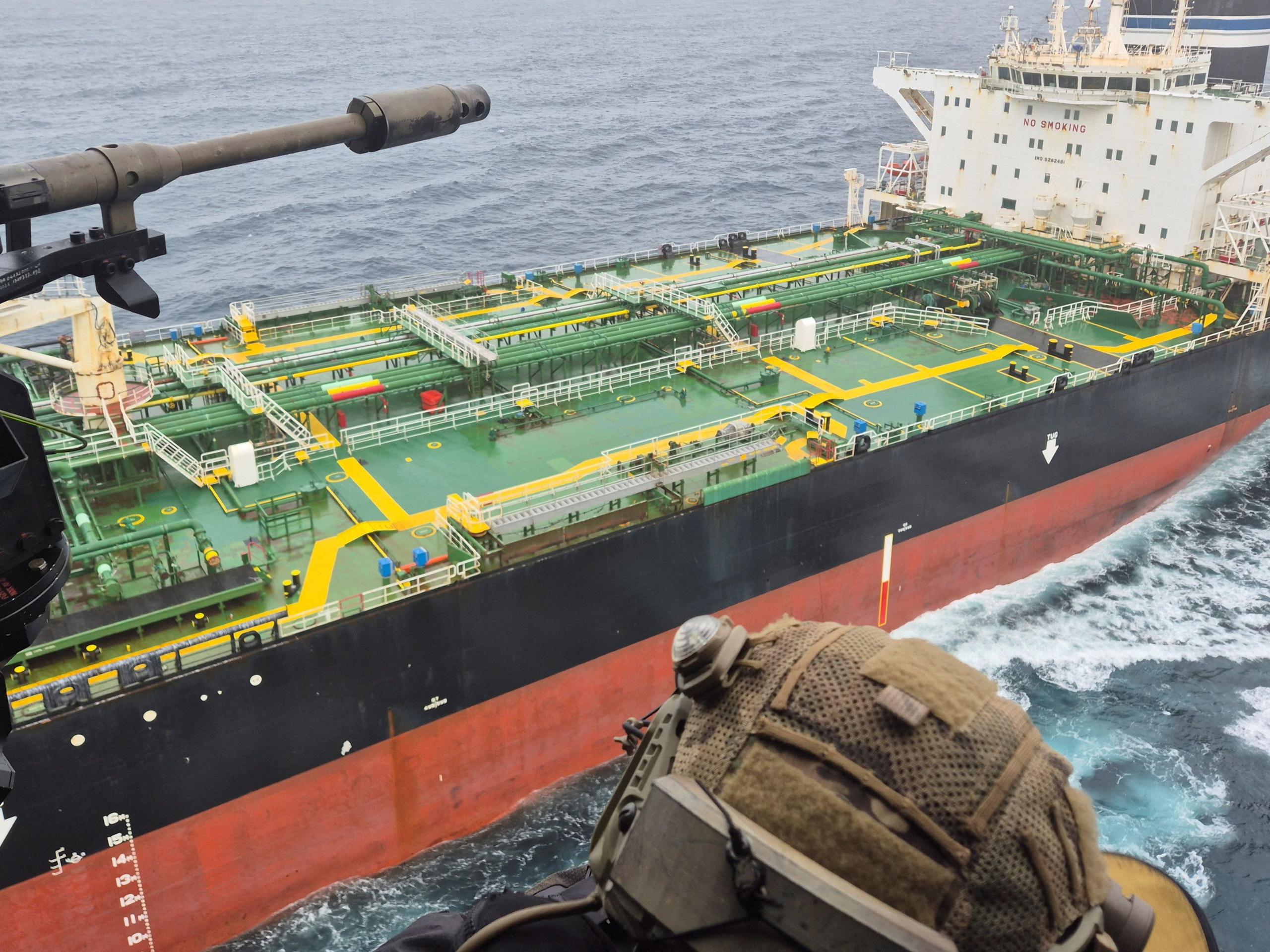
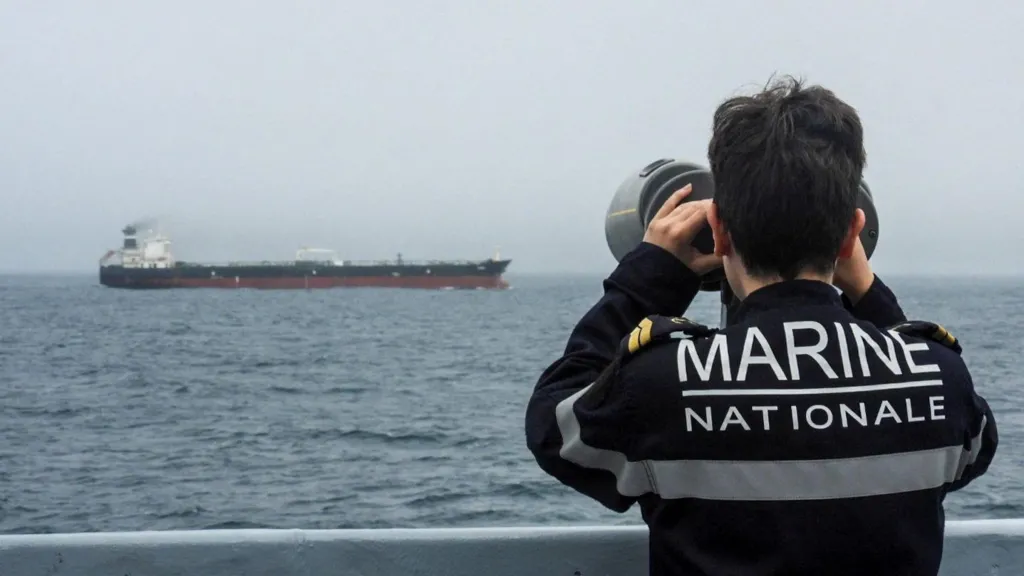
French forces, with British support, intercepted and boarded a sanctioned oil tanker named Tagor.
Suspected of belonging to Russia’s so-called “shadow fleet.”
The ship was stopped about 400 nautical miles west of Brittany after allegedly sailing under a false flag, according to maritime authorities.
President Emmanuel Macron didn’t mince words.
“It is unacceptable for ships to circumvent international sanctions… and fund the war that Russia has been waging against Ukraine,” he said on X.
Framing the operation as both legal enforcement and geopolitical pressure.
So what exactly is this “shadow fleet”? It’s a network of tankers with opaque ownership structures.
Used by Moscow to keep oil exports flowing despite Western sanctions imposed after the invasion of Ukraine.
Think of it as a parallel shipping system—quiet, complex, and deliberately hard to trace.
Kremlin Protests Maritime Seizure
The Kremlin pushed back sharply. Spokesman Dmitry Peskov called the seizure “illegal” and “bordering on international piracy.”
while insisting Russia would take steps to protect its cargo.
On the ground—or rather, at sea—the operation was tightly coordinated.
A British naval helicopter from HMS Somerset helped track the vessel as French officers boarded it, reportedly in line with international maritime law.
Security experts say this reflects a broader shift. One defence analyst noted that “sanctions only work if enforcement catches up with evasion.”
Especially as shadow fleet activity expands across global shipping routes.
With multiple similar interceptions already this year, the message is becoming clearer.
The cat-and-mouse game at sea is no longer just about oil—it’s about pressure, power, and who controls the rules of the ocean.