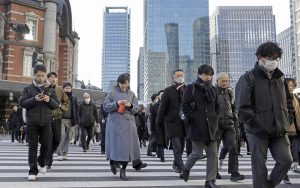


A disease most people thought was firmly in the past has now returned in deadly form.
Australia is asking an uncomfortable question: how did diphtheria make a comeback in 2026?
Health authorities have confirmed the country’s first diphtheria death in nearly a decade, amid what is now the worst outbreak since 1991.
So far this year, there have been 245 cases, with the majority concentrated in remote Indigenous communities across the Northern Territory and parts of Western Australia.
Officials say the outbreak escalated rapidly from late 2025, peaking in February.
It has since spread across several states including South Australia and Queensland.
Northern Territory Health Minister Steve Edgington said the death was confirmed by overseas lab results.
Calling it a situation the government is “taking very seriously” as vaccination drives expand.
What’s Driving The Surge?
Experts point to gaps in immunisation coverage. Authorities say diphtheria — a vaccine-preventable infection that can affect the throat, skin, and breathing.
It spreads quickly in under-immunised communities.
Respiratory cases can become life-threatening, while skin infections often go unnoticed but still spread disease.
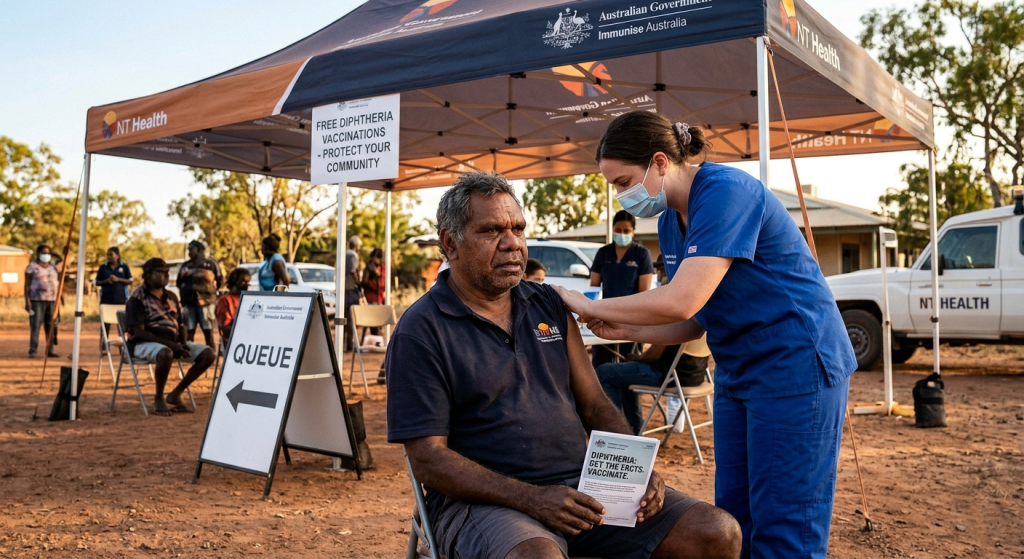
Health officials have launched pop-up clinics and more than 10,000 vaccinations have already been delivered since late March.
Australia’s Chief Medical Officer has also declared it a “communicable disease incident of national significance,” signalling how seriously authorities now view the outbreak.
And the bigger question lingers: in a world with vaccines for diseases like this, why are we still fighting battles we once thought we had already won?