
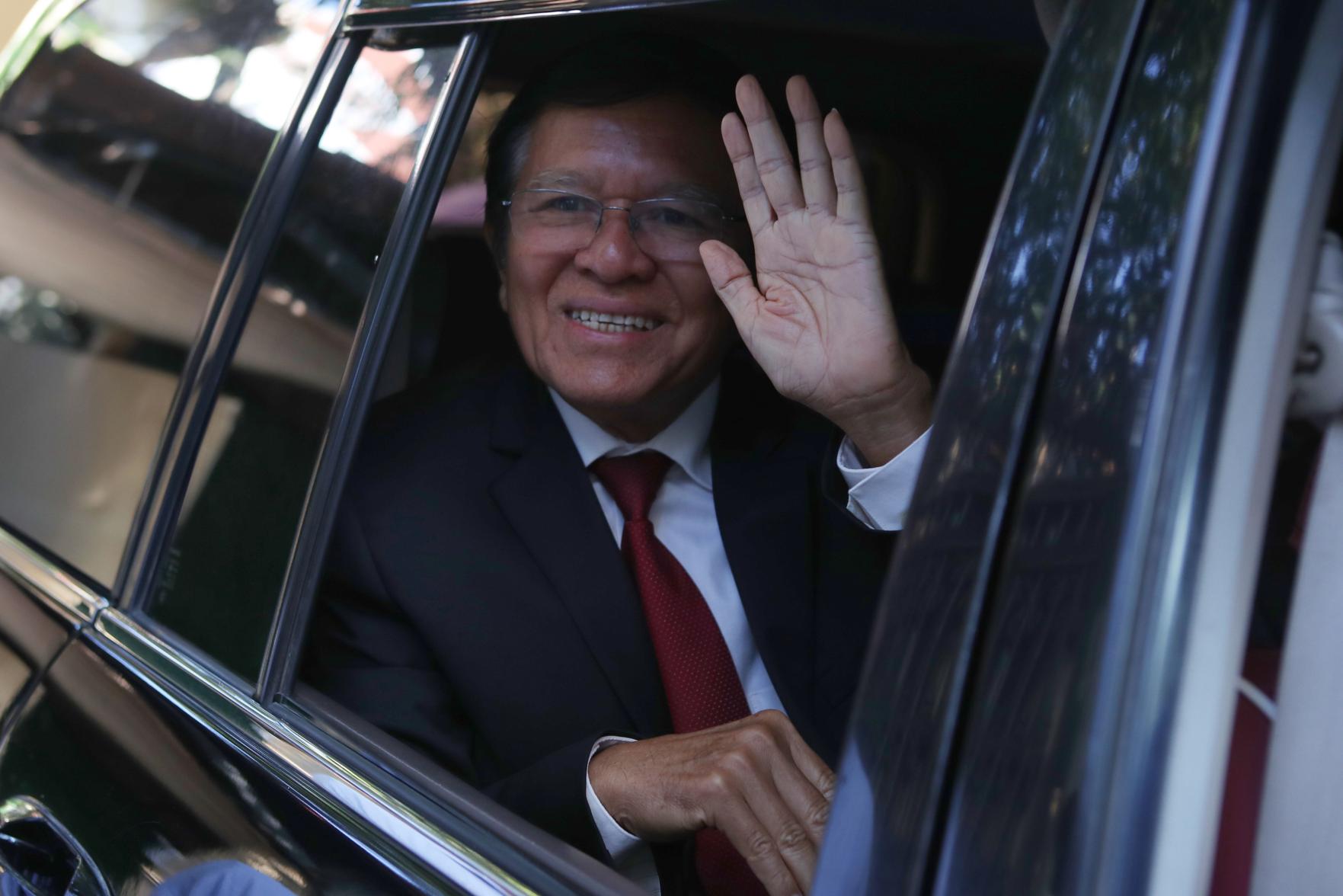
After years of house arrest and a conviction widely criticised abroad, Cambodia’s opposition figure Kem Sokha has been pardoned.
Does this mark justice, or just a partial reset in a tightly controlled political system?
The pardon was announced by former prime minister Hun Sen, now acting head of state, who signed a royal decree on behalf of King Norodom Sihamoni.
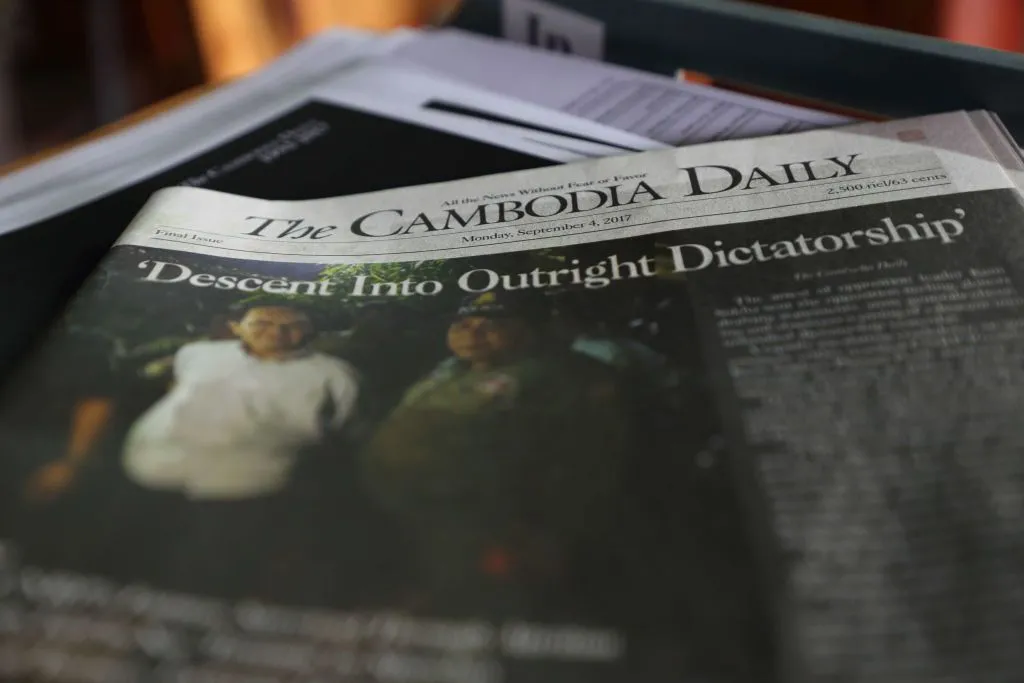
Sokha, once leader of the dissolved Cambodian National Rescue Party (CNRP), had been serving a 27-year sentence for treason before being confined to house arrest.
His case began back in 2017, after a video surfaced in which he spoke about support from US pro-democracy groups.
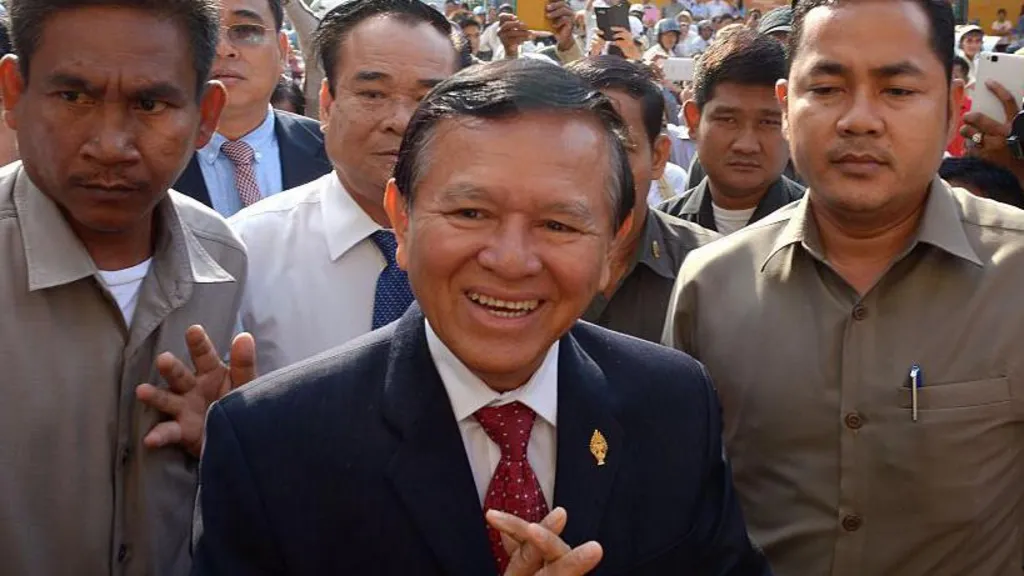
Authorities accused him of plotting against the state — allegations human rights groups have long called politically motivated.
Hun Sen posted the pardon on social media, calling it a step forward, while his son and current prime minister Hun Manet said it would help “strengthen national unity.”
Opposition Restrictions Remain
But critics say the picture is far more complicated.
Human Rights Watch’s Human Rights Watch described the move as only a “partial reversal” of injustice.
Warning that Sokha still cannot leave Cambodia or return to politics.
And that’s the key question: what does a pardon really mean if the political ban stays in place?
Sokha’s party once posed the strongest challenge to Hun Sen’s long rule before being dissolved, effectively leaving Cambodia a one-party state.
So is this reconciliation… or just controlled relief?